Unveiling the Mysteries of the Chinese Character "里" (Li): From Ancient Times to Present
Chinese characters, as one of the world's oldest writing systems, not only carry the weight of China's extensive historical civilization but also serve as a bridge for overseas Chinese to connect with their cultural heritage. Among the vast array of Chinese characters, "里" (li) stands out for its unique charm and widespread use. This article aims to lift the veil on the mysteries of "里" for overseas Chinese, exploring its historical evolution, cultural significance, and modern-day applications. Join us on a journey into the world of "里" and experience its allure.
The Origin and Development of the Chinese Character "里" (Li)
The Ancient Forms of "里" The ancient forms of the Chinese character "里" (li) were quite different from what we see today. Initially, "里" depicted a small dwelling within a field, reflecting the ancient concept of a "place of residence." According to the "Shuowen Jiezi," the earliest Chinese dictionary compiled by Xu Shen during the Eastern Han Dynasty, "里" is defined as "a gathering of people," derived from the characters for "field" and "earth." This definition laid the foundation for the understanding of "里" in subsequent generations. Xu Shen's explanation not only reveals the original meaning of "里" but also reflects the importance placed on living and community in ancient society.
The Evolution of "里" Through Chinese Calligraphy

"里" has undergone transformations from seal script to clerical script, and then to regular script, running script, and cursive script. Each style reflects the aesthetic and practical needs of different historical periods. Despite these changes, the basic structure and meaning of "里" have been preserved, making it a microcosm of the evolution of Chinese characters. For instance, the "里" character written by Ouyang Xun, a calligrapher from the Tang Dynasty, in his famous work "Jiucheng Palace Liquan Inscription," showcases the regularity and beauty of regular script.
The Structure and Writing of "里"
The Basic Structure of "里"
The Chinese character "里" (li) is composed of the radicals for "field" and "earth," symbolizing the concepts of land and dwelling. In writing, "里" has a left-right structure, and its balanced form makes it a common character for calligraphy practice. The design of this structure is not only aesthetically pleasing but also facilitates writing, making "里" an ideal choice for beginners learning Chinese characters.
"里" in Different Calligraphic Styles
Different calligraphic styles give "里" various styles and charms. In regular script, "里" is neat and dignified; in running script, it is smooth and natural; and in cursive script, it becomes free and unrestrained. Each style is a unique expression of calligraphic art. For example, the cursive "里" in Mi Fu's "Zixu Tie" demonstrates the distinctive style and charm of cursive writing.
Techniques for Learning to Write "里"
For elementary students and overseas Chinese learning Chinese characters, mastering the correct stroke order and technique is key to writing "里." Through repeated practice, one can not only improve writing skills but also gain a deeper understanding of the character's connotations. Teachers can guide students to observe the structure of "里," starting with the "field" character, gradually learning to write the "earth" character, and finally combining them to form the complete "里."

The Significance of "里" (Li) in Chinese Culture
The Use of "里" in Idioms and Proverbs
The Chinese character "里" (li) plays a significant role in Chinese idioms and proverbs. For example, in the phrase "家喻户晓" (jiā yù hù xiǎo), which means "known to every household," "户" refers to individual households, while "里" indicates a community. Such expressions enrich the expressiveness of the Chinese language and reflect the ubiquity of "里" in everyday life. Another example is "里应外合" (lǐ yìng wài hé), which describes collusion between insiders and outsiders, originally a term used in warfare but later widely applied to describe any collaborative action
The Role of "里" in Geography and Socio-Cultural Context
In the traditional Chinese social structure, "里" was a basic administrative unit and the foundation of social organization. It represented not only a geographical space but also carried profound social and cultural significance. In modern Chinese, "里" is commonly used to denote a unit of distance, such as "kilometer," reflecting its practical value in contemporary life. In ancient times, each "里" had its own leader, known as the "里长" (lǐ zhǎng), a system that persisted for thousands of years in Chinese history until it was gradually replaced by modern administrative systems.
The Use of "里" in Modern Chinese
With the evolution of the times, the application of "里" has continued to expand. In modern Chinese, "里" is not only used to denote physical space but is also often used metaphorically and figuratively, such as "心里" (xīn lǐ), meaning "in one's heart," to describe inner feelings. This usage showcases the rich connotations and flexibility of the character "里." For instance, the poet Xu Zhimo writes in "Farewell to Cambridge Again," "Gently I am leaving, just as gently as I came; I gently wave goodbye, to the clouds in the western sky." The phrase "Gently I am leaving" does not literally mean departure but rather reflects the poet's inner sentiments.
Teaching Elementary Students the Character "里" (Li)
Teaching Methods and Techniques
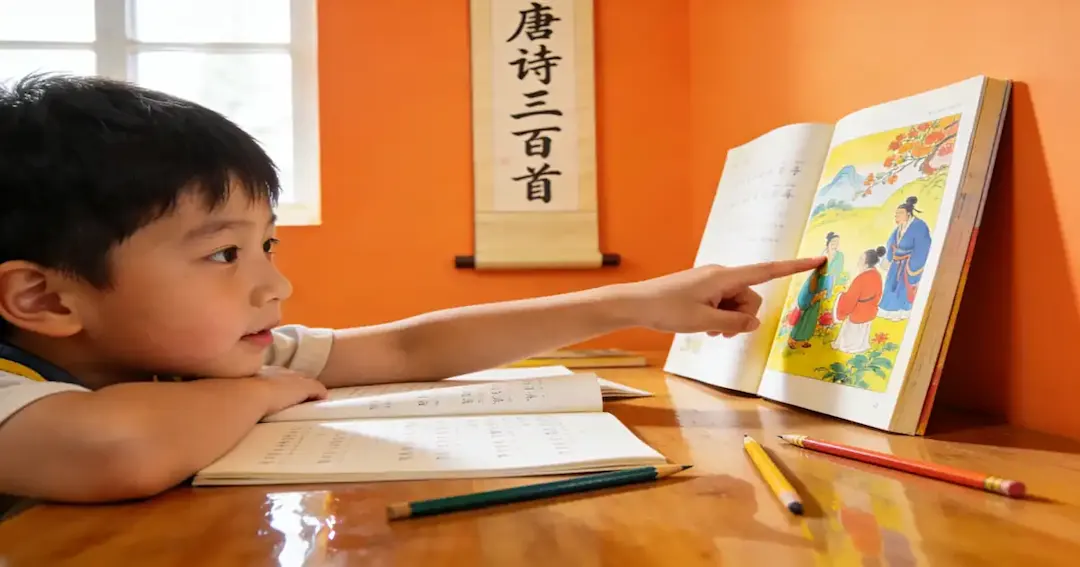
When teaching elementary students the Chinese character "里," teachers can use visual memory aids by associating "里" with its pictographic meaning, helping students form a vivid memory. Additionally, through storytelling and situational role-play, students' understanding and interest in "里" can be enhanced. For example, a story about an ancient village can be told to help students grasp the usage and significance of "里."
Educational Games and Activities Related to "里"
To improve learning outcomes, various games and activities related to "里" can be designed. For instance, a "Find the '里'" game can engage students in searching for signs or objects containing the character "里" in different environments, enlivening the classroom atmosphere and deepening their recognition of the character. Another activity could be a "Li Character Relay" competition, encouraging students to create new words or idioms using "里," fostering their creativity and understanding of Chinese characters.
Methods for Assessing Learning Outcomes
Students' mastery of "里" can be assessed through writing, dictation, and application in various contexts. Regular testing and feedback not only help students consolidate their memory but also motivate them to continue learning Chinese characters. For example, a small calligraphy contest can be organized to showcase students' skills in writing "里," adding an element of fun to the learning process.
The International Perspective on "里" (Li)
How Overseas Chinese View "里" For overseas Chinese, "里" is not just a foundation for learning Chinese but also a symbol of cultural identity. Through "里," they can establish connections with traditional Chinese culture and social life, enhancing their understanding and emotional ties to their homeland. In Chinese schools and community activities abroad, "里" is often used as teaching material to help Chinese descendants learn about and carry forward Chinese culture.
The Status of "里" in International Chinese Language Education In international Chinese language education, "里," as one of the commonly used characters, is an important part of the curriculum. Its teaching not only helps students master the basics of Chinese character writing and comprehension but also promotes awareness and dissemination of Chinese culture. As the influence of Chinese grows globally, "里," as a vehicle for cultural transmission, plays an increasingly significant role.
Conclusion
The Chinese character "里" (li), as a microcosm of Chinese culture, carries a wealth of historical and cultural value. Through its origins and evolution, we can glimpse the trajectory of Chinese character development and appreciate the significant role of characters in traditional Chinese society. In modern society, whether as a reference to geographical space or an expression of emotion, "里" demonstrates its unique charm and practicality. For overseas Chinese, learning and understanding "里" is not only a linguistic necessity but also a bridge to cultural heritage and identity. By delving into the depths of "里," we can better comprehend the beauty of Chinese characters and further our appreciation and respect for traditional Chinese culture. In the field of education, incorporating "里" into teaching not only helps students master the basic skills of writing Chinese characters but also ignites their interest in the Chinese language and culture. Through various innovative teaching methods and activities, we can make the learning of Chinese characters more dynamic and effective. In summary, "里" is more than just a symbol; it is a bearer of Chinese culture, a bridge connecting the past and the future. Whether in China or around the world, it continues to play its unique role, influencing people's linguistic lives and cultural perceptions. Let us cherish this cultural legacy and continue to explore and pass on the endless charm of Chinese characters.

References and Acknowledgments
In the process of writing this article, we have consulted a variety of historical documents and academic resources to ensure the accuracy and depth of the content. Special thanks to ancient texts such as "Shuowen Jiezi" for their detailed records of the origins and evolution of "里," as well as the practical experiences and insights of Chinese character learners and educators. We would also like to express our gratitude to all individuals and institutions dedicated to Chinese character education and cultural dissemination. Their efforts have allowed the traditional cultural heritage of "里" to be inherited and promoted globally. We appreciate the efforts of overseas Chinese communities in maintaining and promoting Chinese character culture and all readers who share a common interest and passion for "里."