
Breakfast holds significant cultural importance in Chinese culture. It is considered the most important meal of the day. There is a Chinese saying that goes, "Eat breakfast like an emperor, lunch like a king, and dinner like a pauper" (早餐吃得像皇帝,午餐吃得像国王,晚餐吃得像乞丐, zǎo cān chī dé xiàng huáng dì, wǔ cān chī dé xiàng guó wáng, wǎn cān chī dé xiàng qǐ gài). This reflects the belief that breakfast should be the most substantial meal to provide energy for the day ahead.

In Chinese culture, breakfast is also a time for family bonding. Families often gather to enjoy breakfast and start the day positively. As for what people eat, Chinese breakfast dishes are as diverse as the country's culture and people. A wide array of delicious and diverse options cater to different tastes and preferences. From savory to sweet, light to hearty, a traditional Chinese breakfast offers a wide range of flavors and textures and varies by geography.
What Chinese People Eat for Breakfast In China, breakfast is often referred to as "zǎocān" (早餐), which literally translates to "morning meal." It is considered the most important meal of the day and is typically enjoyed with family or friends.
Chinese breakfast options
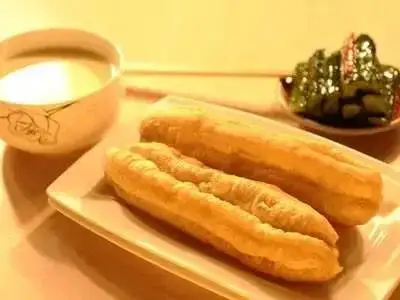
Northern China: In the north, breakfast tends to be heartier and more wheat-based due to the cooler climate and wheat-growing regions. Steamed buns (baozi), pancakes (jianbing), and fried dough sticks (youtiao) are popular. Soy milk (doujiang) is a common beverage.
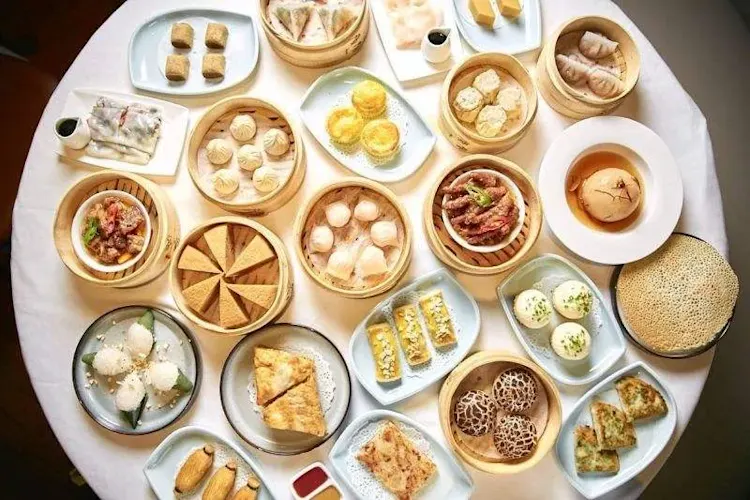
Southern China: Southern breakfasts are lighter and often include rice-based dishes due to the warmer climate and rice-growing regions. Congee (rice porridge), rice noodles (mixian), and rice cakes (nian gao) are staples. Dim sum, such as steamed dumplings (xiaolongbao) and dumplings (jiaozi), are also popular.
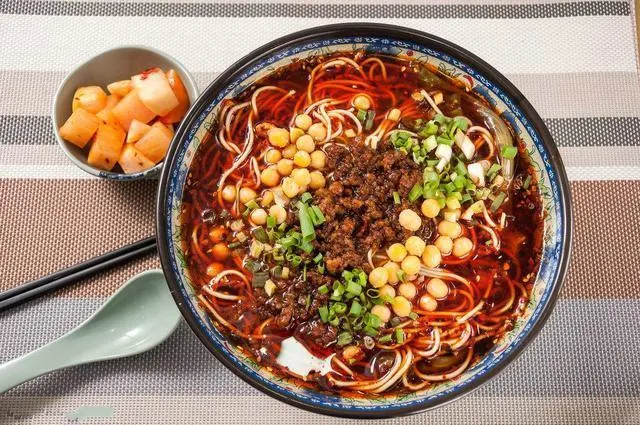
Western China: In the West, breakfast is influenced by the diverse ethnic groups in the region. Noodle dishes like laghman (pulled noodles) and hand-pulled noodles (lamian) are typical. Flatbreads like naan and dairy products like yogurt are also enjoyed.
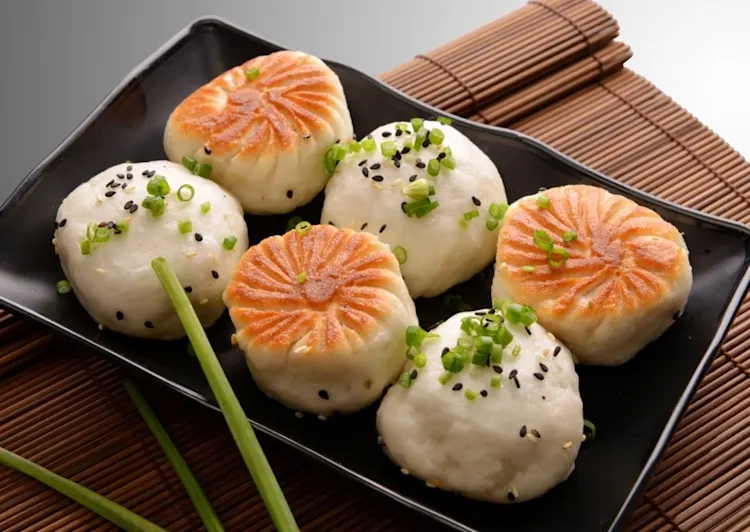
Eastern China: Eastern breakfasts often feature seafood due to the proximity to the coast. Dishes like savory pastries filled with pork or seafood (shengjian bao), seafood congee, and stir-fried rice cakes (chao nian gao) are popular. Tea is the preferred beverage.
Difference Between Chinese and Western Breakfast
One of the main differences between Chinese and Western breakfasts is the variety of dishes served. While Western breakfasts often consist of eggs, bread, and bacon, Chinese breakfasts feature a more comprehensive range of options, including rice, noodles, and vegetables. Also, Chinese breakfasts are lighter and less greasy than their Western counterparts.
Top 10 Authentic Chinese Breakfasts
Congee (粥) - A rice porridge often served with savory toppings such as pickled vegetables, preserved egg, or minced pork.
You Tiao (油条) - Also known as Chinese fried dough or doughnuts, you tiao are long, deep-fried strips of dough that are crispy on the outside and soft on the inside.
Baozi (包子) - Steamed buns filled with meat, vegetables, or sweet fillings like red bean paste.
Jianbing (煎饼) - A savory Chinese crepe made from a batter of wheat and grain flour, eggs, and various fillings such as scallions, cilantro, and crispy fried wonton skins.
Soy Milk (豆浆) - A popular breakfast drink made from soybeans that have been soaked, ground, and strained to produce a milky liquid.
Guokui (锅盔) - A crispy, pan-fried flatbread often filled with meat, vegetables, or sweet fillings.
Doujiang (豆浆) - A warm, sweet soy milk often paired with savory you tiao for dipping.
Shaobing (烧饼) - Flaky, layered bread often filled with savory or sweet fillings such as sesame paste or meat.
Dan Bing (蛋饼) - A thin, savory pancake filled with egg, scallions, and sometimes meat or vegetables.
Liangpi (凉皮) - Cold noodles made from wheat or rice flour, often served with a spicy and tangy sauce.
How to Order Breakfast in Chinese
When ordering breakfast in China, knowing some basic Chinese phrases is helpful. Here are a few phrases that you can use:
"我要点早餐" (Wǒ yào diǎn zǎocān) - "I would like to order breakfast."
"请给我一碗粥" (Qǐng gěi wǒ yī wǎn zhōu) - "Please give me a bowl of congee."
"我要一份包子" (Wǒ yào yī fèn bāozi) - "I would like an order of steamed buns."
List of Chinese Vocabulary for Ordering Breakfast
Here's a table of common Chinese vocabulary words related to ordering breakfast:
English | Chinese | Pinyin |
Breakfast | 早餐 | Zǎocān |
Rice porridge | 粥 | Zhōu |
Steamed buns | 包子 | Bāozi |
Fried dough | 油条 | Yóutiáo |
Soy milk | 豆浆 | Dòujiāng |
Crepe | 煎饼 | Jiānbǐng |
Pancake | 蛋饼 | Dànbǐng |
Noodles | 面条 | Miàntiáo |
Dumplings | 饺子 | Jiǎozi |
Bread | 面包 | Miànbāo |
FAQs
Is Breakfast Important in China?
Yes, breakfast is considered the most important meal in China. It is believed to provide the energy needed to start the day and is often enjoyed with family or friends.
What Is the Most Popular Breakfast in China?
There is only one most popular breakfast in China, as breakfast options vary widely depending on the region. However, some of the most common breakfast dishes include congee, steamed buns, and fried dough.
What Do Asians Eat for Breakfast Healthy?
Many Asians choose a healthy breakfast that balances carbohydrates, proteins, and fats. This might include steamed buns filled with vegetables, tofu, and soy milk.
Looking for an online Chinese class for your kids to learn Mandarin and Chinese culture? LingoAce is one of the best ways for kids to learn Chinese online. Each one-on-one lesson is the product of nearly 200 hours of curriculum development, teacher training, and quality control. LingoAce classes are tailored to meet your child's learning needs.
Experience a redefined Chinese learning experience and book a free trial class with us today.