If you’ve ever walked into a meeting thinking, “Okay, I’m prepared,”and then immediately wondered whether you shook hands too firmly, sat down too early, or said something a little too direct… welcome. Chinese business etiquette isn’t about being “fancy.” It’s about reducing risk—risk of misunderstanding, risk of embarrassment, risk of trust slipping away before you even get to the real conversation.
In this guide, I’m going to make it usable: what to do in meetings, what really happens over meals, and how trust is built (and quietly lost) in day-to-day interactions. We’ll keep it practical, a bit blunt when needed, and friendly enough that you can hand it to a teammate who’s traveling next week.
Chinese business etiquette: the trust logic behind the rules (guanxi + face)
A lot of “rules” only make sense once you know the hidden engine:
Guanxi is the relationship network—who knows who, who can vouch for whom, who is willing to stick their neck out. Many guides frame Chinese business etiquette as relationship-building first, transaction second.
Mianzi (face) is reputation, dignity, and social standing—yours and theirs. In business settings, “facework” affects how people negotiate, disagree, and resolve conflict.
Here’s the part people miss: in many contexts, good Chinese business etiquette is “trust-protecting behavior.” It signals you’re safe to work with—careful, respectful, not impulsive.
Chinese business etiquette for meetings: how to enter the room without tripping over hierarchy
Meetings in China can feel more formal and more hierarchical than what many North American teams are used to. Some modern teams are more relaxed, sure—but you don’t want to guess wrong on the first meeting.
What “good” looks like, fast
Arrive a little early. Being late can read as disrespectful or careless.
Greet the most senior person first (or at least acknowledge them quickly). Hierarchy matters, and so does noticing it.
Use titles + family names unless invited otherwise. In many settings, jumping too quickly to first names can feel overly familiar.
Keep your body language calm. Overly animated gestures, cutting people off, or “selling too hard” can make the room tighten.
The “meeting rhythm” that surprises people
A common pattern: a bit of social warmth, then business—but the warmth isn’t random fluff. It’s the trust check.
You may see:
light conversation before diving in
indirect language around disagreement
less public debate and more “let’s discuss internally”
That aligns with research and professional commentary on face-saving strategies and avoiding direct confrontation.

Chinese business etiquette for communication: saying “no” without making it a problem
This is where people get stuck. North American business culture often values clear, direct statements. In many Chinese contexts, overly direct refusal can cause face loss and damage trust.
So instead of expecting to hear “no,” you might hear:
“We’ll consider it.”
“It may be difficult.”
“Let’s discuss later.”
This isn’t automatically a stall tactic. Sometimes it’s a face-saving way to keep the relationship smooth while options are evaluated.
A practical way to read the room
Ask yourself:
Are they offering a next step, or just ending the topic?
Do they ask detailed questions (good sign) or stay vague (caution)?
Do they follow up quickly (good sign) or slow down sharply?
If you need clarity, try a “soft clarity” line:“Just to make sure I’m aligned—should we treat this as a ‘later’ topic, or a ‘not the right fit’ for now?”It gives them an exit without forcing public confrontation.
Chinese business etiquette at meals: why dinners can matter more than the meeting
If meetings are the “official channel,” meals are often where people decide whether they actually trust you.
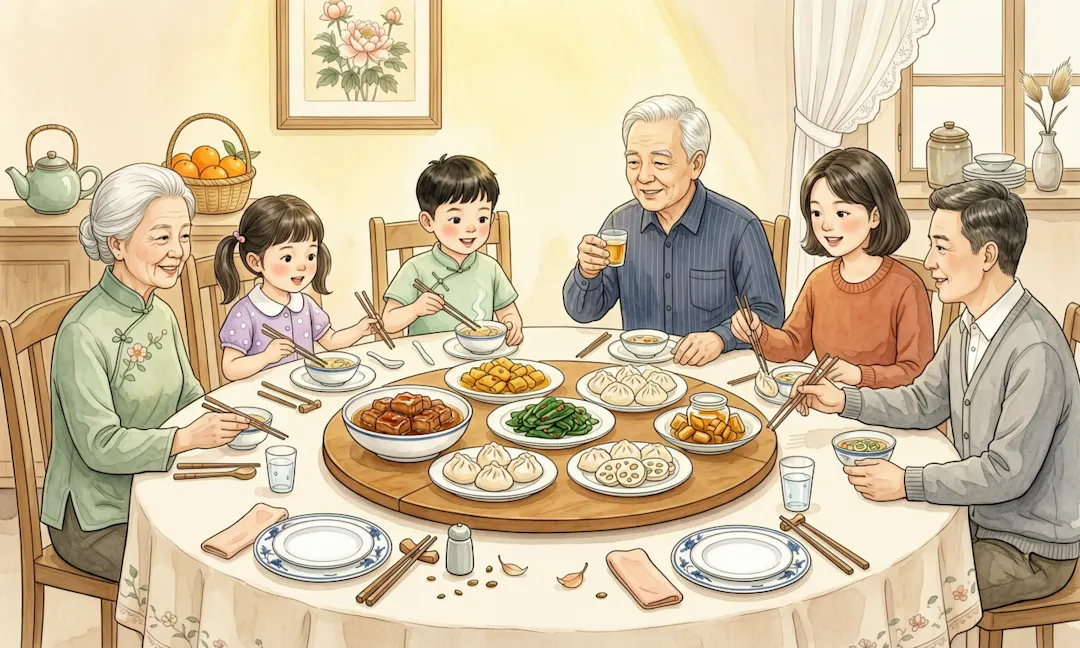
Many business guides emphasize that in China, relationship-building continues beyond office hours—dinners, banquets, and social settings can be central to doing business.
Seating: don’t wing it
At formal meals, seating can reflect hierarchy and hosting. Don’t pick a seat casually unless someone explicitly tells you to. Wait, watch, and follow the host’s cues.
If you’re hosting, ask your local counterpart how they prefer to arrange seating. (This “ask and follow” approach is also echoed in practical forum advice: showing you’re willing to learn is itself respectful.)
Toasting (ganbei): the part everyone remembers
Toasting customs vary by region, company, and group. But two points show up repeatedly in real-world advice:
The host often leads toasts. As a guest—especially a foreign guest—you may not be expected to lead the whole ritual.
Watch what others do first. Mirror the group’s pace.
If alcohol is involved and you don’t drink (or don’t want to), it’s usually better to plan a polite alternative rather than making it dramatic. A calm line like “I’ll toast with tea—still with you” is often easier than a strong refusal in front of the group.
The “food is business” reality
Even karaoke or late activities can be business-adjacent in certain contexts, which some business organizations explicitly note.
You don’t have to love it. But you should recognize what it signals: the relationship is being tested in a more human setting. People watch whether you’re respectful, patient, and socially steady.
If this dinner section made you think, “I don’t want to learn this the hard way,” you’re not alone. Practicing the right phrases for real situations (greetings, toasts, polite follow-ups) helps a lot. If your child is learning Mandarin, you can try a LingoAce trial class to see how these everyday cultural moments get taught in a clear, age-appropriate way.

Chinese business etiquette for gifts: respect, timing, and compliance boundaries
Gift-giving is one of those topics where people either overdo it or panic and do nothing.
In many guides, gift-giving is framed as a relationship gesture, but there are also practical concerns around appropriateness and business compliance.
A safe approach in 2026
Keep gifts modest and culturally neutral unless you have strong local guidance.
Present the gift politely, often with both hands.
Pay attention to company rules (yours and theirs).
If you’re unsure, ask your local counterpart or a colleague who’s done this before. Quietly. Not in the moment.
What matters more than the gift
Honestly? The way you give it. The calmness, the respect, the not-making-it-weird. That’s Chinese business etiquette in a nutshell.

Chinese business etiquette for follow-ups: WeChat, timing, and the “keep-warm” habit
After the meeting and the meal, many teams stumble on follow-ups. They either push too hard (“Just circling back again…”) or disappear.
Modern business communication often includes WeChat or other fast channels. Some learning resources and recent discussions emphasize adapting to the communication channel people actually use.
The follow-up style that tends to work
Send a short message within 24–48 hours
Thank them, summarize 2–3 key points
Offer a clear next step, but don’t corner them
Then keep the relationship warm with occasional relevant touchpoints:a short update;a useful article;a congrats message for a milestone
FAQ
1)What is the biggest mistake foreigners make with Chinese business etiquette?
Usually it’s treating etiquette like a performance instead of a trust signal. Rushing to “get to business,” being too blunt in public, or ignoring hierarchy can reduce trust early.
2)Do people in China still use physical business cards in 2026?
Often yes—especially in formal introductions, events, and first meetings—though digital exchange via WeChat and QR codes is also common. It’s safest to have a card _and_ be ready to connect digitally.
3)What’s the correct Chinese business card etiquette?
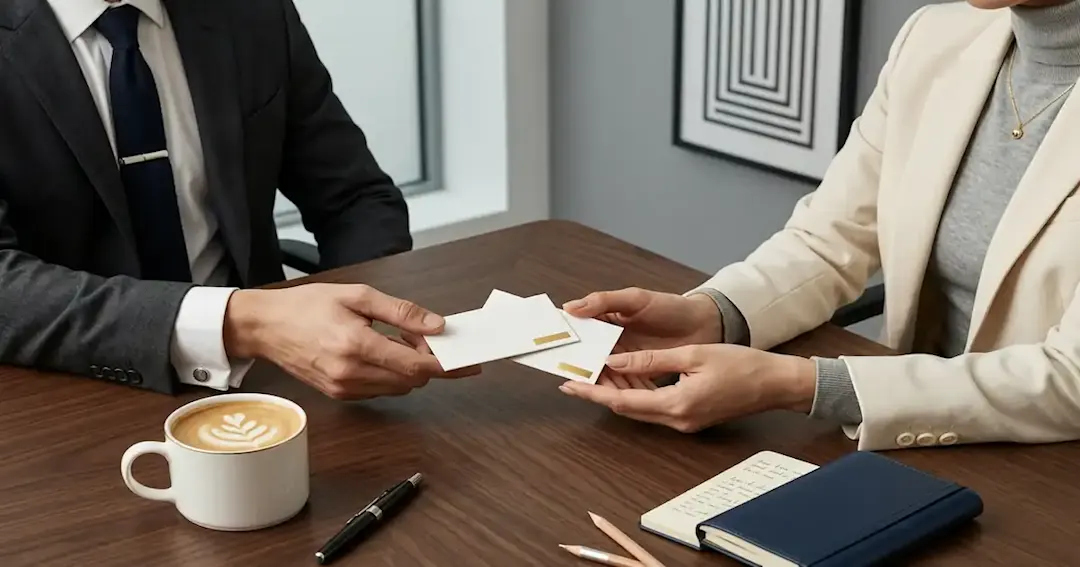
Offer and receive with two hands, take a moment to read it, and store it respectfully. Bilingual cards can help.
4)How do I handle Chinese business banquet etiquette if I don’t drink alcohol?
You can toast with tea or a non-alcoholic drink; the key is participating respectfully without making a scene. Watch the host’s lead and mirror the group’s rhythm.
5)How do guanxi and mianzi connect to Chinese business etiquette?
They’re the foundation: guanxi is the relationship network, and mianzi (face) shapes how people communicate, disagree, and make decisions without public embarrassment.
Conclusion
If you strip it all down, Chinese business etiquette in 2026 is not about memorizing rules like a textbook. It’s about being the kind of partner people feel safe working with: respectful, steady, careful with face, and willing to build trust over time—especially through meetings and meals.
If you want a simple next step, consider booking a LingoAce trial class—not as a big commitment, just a way to see whether guided Mandarin practice (with culture built in) fits your child’s learning style.