
"Chinese New Year" marks the start of a new year on the lunisolar Chinese calendar, which considers the moon and sun cycles. Lunar New Year is celebrated in many Asian cultures. In China, this celebration is called the Spring Festival (春节, chūnjié) but is more commonly called "Chinese New Year" in the Chinese diaspora community.
In Chinese culture, Chinese New Year is not just a single day but a culmination of festivities that span 15 days, each marked by unique customs. Traditionally, festivities start on the eve of the Lunar New Year and conclude with the Lantern Festival on the 15th.
What is Chinese New Year?
Chinese New Year is the most important holiday in Chinese culture. It represents a fresh start and is a time for family reunions. This holiday is celebrated by Chinese communities worldwide, and many traditions have a lot of symbolism.
For example, preparations start with families cleaning their homes to sweep away any lingering misfortune and make way for good luck. Once the house has been cleaned, it is decorated with symbols of renewal, good fortune, and prosperity. For example, you'll often see a red paper decoration with the Chinese character for "good fortune" (福, fú) placed upside down on the door. This symbolizes the family's desire for prosperity to come to the home. Other decorations include spring flowers, such as pussy willows, and platters of oranges, kumquats, and pomelos are often displayed.
When is the Chinese New Year in 2024?
This new year's celebration usually falls on the Gregorian calendar between January 21 and February 20. Chinese New Year 2024 starts on Saturday, February 10, 2024. Most families will begin celebrating the night before with a grand family reunion dinner known as "Nian Ye Fan." This elaborate feast is a time for family members to unite, share traditional dishes, and strengthen familial bonds. The menu often includes auspicious foods, each chosen for its symbolic meaning. For example, fish symbolizes surplus and wealth, while dumplings represent unity and completeness.
Chinese New Year Animals 2024
Chinese New Year is tied to the Chinese zodiac. Unlike the Western zodiac, which is based on the sun's position at the time of one's birth, the Chinese Zodiac operates on a twelve-year cycle, with each year represented by an animal: Rat, Ox, Tiger, Rabbit, Dragon, Snake, Horse, Goat, Monkey, Rooster, Dog, and Pig. These animals are known as the Chinese New Year animals. Additionally, each animal sign is associated with one of the five elements: Wood, Fire, Earth, Metal, and Water creates a more intricate system that spans a 60-year cycle. The cyclical nature of the Chinese Zodiac reflects the eternal cycle of life, with each year bringing its unique energy and characteristics.
Chinese New Year 2024 marks the beginning of a dragon year. This Chinese Zodiac sign symbolizes strength, good fortune, and auspicious beginnings. Those born this year are believed to inherit the dragon's charisma and natural leadership qualities, adding a unique layer of significance to their personalities. What is the difference between the Lunar New Year and the Chinese New Year? While the terms Lunar New Year and Chinese New Year are often used interchangeably, it's essential to recognize the broader context. Lunar New Year encompasses celebrations in various East Asian cultures, including China, Korea, and Vietnam. Chinese New Year refers explicitly to the celebration in Chinese culture. The diversity in customs and traditions among these cultures adds to the richness of the overall celebration.
Chinese New Year traditions
The Family Reunion Dinner
The eve of Chinese New Year is celebrated with a grand family reunion dinner, known as "nián yè fàn " (年夜饭). This elaborate feast is a time for family members to come together, share traditional dishes, and strengthen familial bonds. The menu often includes auspicious foods, each chosen for its symbolic meaning. For example, fish symbolizes surplus and wealth, while dumplings represent unity and completeness.
Fireworks and Dragon Dances
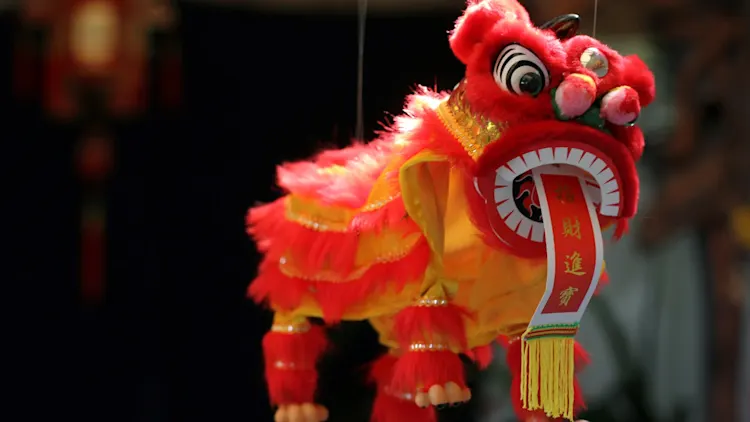
The sound of fireworks and the sight of dragon dances are synonymous with Chinese New Year celebrations. Fireworks are believed to scare away evil spirits, ensuring a smooth transition into the new year. Dragon dances, performed by dancers manipulating a long dragon puppet, are a mesmerizing spectacle. The dragon, a symbol of power and good fortune weaves through the streets, accompanied by the rhythmic beat of drums and cymbals.
Red Envelopes and the Spirit of Giving
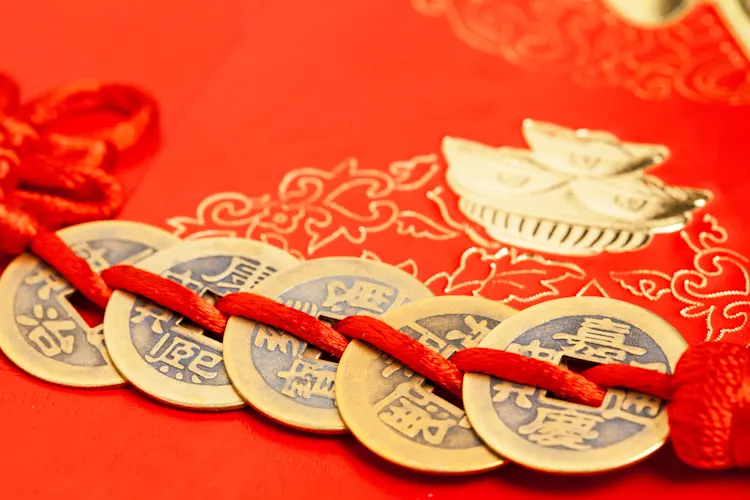
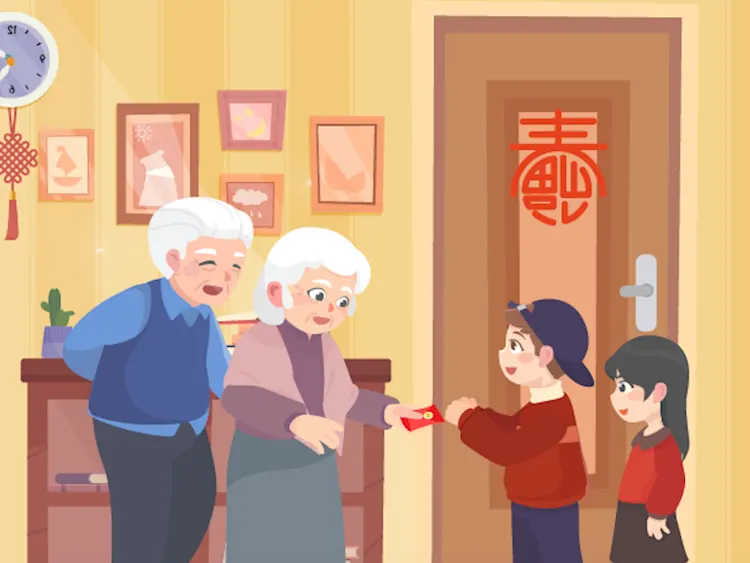
One of the most cherished traditions during Chinese New Year is the exchange of red envelopes or "hóng bāo" (红包). These envelopes, usually containing money, are given as gifts to children, unmarried individuals, and sometimes even employees. The red color symbolizes warding off evil spirits and brings good luck to the recipients. Giving hongbao is a gesture of goodwill, expressing wishes for prosperity and success in the coming year.
How to say Happy New Year in Chinese
To fully engage in the festivities, one must grasp the art of extending New Year wishes in Chinese. This tradition is called "bài nián" (拜年). Many greetings can be said, but the most common are 新年快乐 (xīn nián kuài lè), which means "Wishing you a joyful new year." Another common greeting is 恭喜发财 (gōng xǐ fā cái), which means "Wishing you prosperity and wealth." Learning and using these phrases adds a personal touch to the celebration and fosters cultural exchange and appreciation.
As we celebrate Chinese New Year 2024 and welcome the Year of the Dragon, let's embrace the vibrant traditions, share the warmth of family gatherings, and extend heartfelt wishes for prosperity and good fortune. May the festivities bring people closer, fostering a sense of global unity in the spirit of this auspicious occasion. Happy Chinese New Year 2024!
Looking for an online Chinese class for your kids to learn Mandarin and Chinese culture? LingoAce is one of the best ways for kids to learn Chinese online. Each one-on-one lesson is the product of nearly 200 hours of curriculum development, teacher training, and quality control. LingoAce classes are tailored to meet your child's learning needs. Experience a redefined Chinese learning experience and book a free trial class with us today.