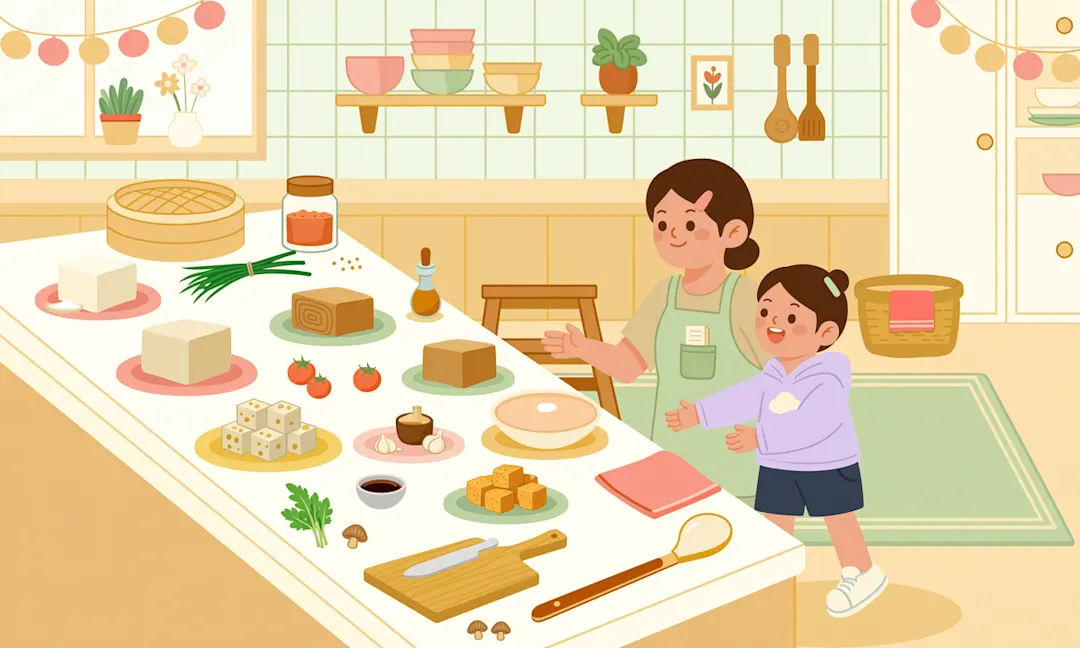
If you’ve ever bought chinese tofu and ended up with a watery, broken mess… you probably bought the right thing and used it the wrong way.This guide helps you pick the right chinese tofu (silken/soft/firm/extra-firm), prep it without draining the life out of it, and cook it in a way kids won’t reject on sight.You’ll also get a mini “menu words” section—because chinese tofu isn’t just dinner; it’s one of those easy, everyday ways to build real-life Chinese language confidence.
What is chinese tofu, really?
Let’s clear up the first confusion: chinese tofu isn’t a separate species of tofu with a special passport.
Most of the time, when people search chinese tofu, they mean one of these:
tofu used in classic Chinese dishes (mapo tofu, braised tofu, cold tossed tofu),
tofu styles you often find in Chinese supermarkets (more texture choices, sometimes fresher),
or tofu labeled with terms that show up on Chinese menus (doufu, mapo, liangban).
So the key isn’t “is my tofu Chinese?” The key is: what texture is this chinese tofu, and what dish is it supposed to go into? That’s where most tofu heartbreak comes from.
One parent trick: treat chinese tofu like pasta shapes. You wouldn’t use spaghetti for everything. Same idea. Different tofu types behave like totally different ingredients.
Chinese tofu types explained (silken vs soft vs firm vs extra-firm)
This is the section that saves you from random guessing (and random dinner disasters). Chinese tofu is basically a texture decision.
The simple rule for chinese tofu texture
Silken / soft tofu = delicate, creamy, breaks easily
Firm / extra-firm tofu = sturdier, can be cut, tossed, browned
But there’s a sneaky pitfall: firm silken tofu exists, and it’s not the same as firm block tofu. So for chinese tofu, don’t rely on the word “firm” alone—look at whether it says silken.
Quick texture map (how chinese tofu behaves)
Silken tofu: smooth like custard. Great for soups, sauces, tofu “pudding,” and gentle simmer dishes.
Soft tofu: still delicate, but slightly more body. Great for hot soups or “barely cooked” tofu dishes.
Firm tofu (block): your best all-around chinese tofu for saucy dishes where you want cubes to survive.
Extra-firm tofu (block): for crispy tofu, stir-fries, and anything you want browned.

How to cook chinese tofu: 3 core methods you’ll reuse all year
You don’t need 20 recipes. You need 3 methods that make chinese tofu work for your household.
Method 1: Gentle simmer chinese tofu (best for silken/soft)
This is the “don’t fight the texture” method.
Do this:
Warm broth or sauce first
Add chinese tofu at the end
Simmer gently, don’t boil hard
Why it works:Silken chinese tofu is delicate. Boiling turns it into tofu snowflakes.
Example:Tomato-egg soup + silken chinese tofu cubes + scallions. Add tofu last, simmer 2 minutes.
Method 2: Pan-sear chinese tofu (best for firm/extra-firm)
This is how you get tofu that feels like “real dinner,” not a sad protein substitute.
Do this:
Pat dry chinese tofu
Use medium-high heat
Don’t move it too soon (let it brown)
Add sauce last
Why it works:Browning creates flavor and helps sauce cling.
Example:Pan-seared chinese tofu + quick garlic-soy sauce. Finish with sesame oil and scallions.
Method 3: Toss-and-glaze chinese tofu
This is the “kids are hungry and I’m tired” method. You cook the sauce, then coat.
Do this:
Cook sauce in pan
Add pre-seared tofu
Coat gently, turn off heat
Why it works:Sauce stays thick instead of thinning out with tofu water.
Example:Stir-fry veggies, add simple sauce (soy + a little sugar or honey + vinegar), then add chinese tofu cubes, coat, serve with rice.
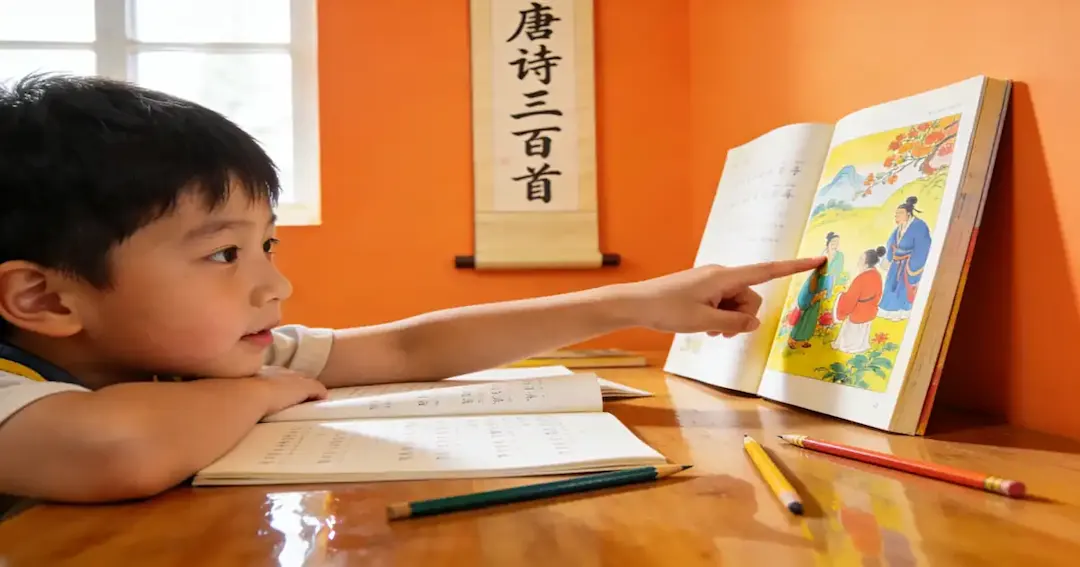
If your child likes food words, you can turn chinese tofu nights into a 5-minute language habit: pick one word (like dòufu), say it at dinner, and use it again when ordering takeout. If you want a more structured path—especially for speaking confidence—some families use programs like LingoAce to build consistent vocabulary, pronunciation, and conversation practice in short, kid-friendly lessons. A trial class can help you see whether it fits your child’s level and attention span.

Chinese tofu dishes everyone searches for
Let’s be honest: a lot of people land on chinese tofu searches because they want mapo tofu… and then realize it’s not just “tofu + spicy sauce.”
1) Mapo tofu (麻婆豆腐) — beginner-friendly chinese tofu version
What makes it special: fermented bean paste (doubanjiang) + numbing Sichuan peppercorn + tender tofu in sauce.
Beginner mode:
use less chili (or skip chili oil)
keep doubanjiang (that’s the signature)
add a little sweetness (tiny pinch) if kids need it
2) Cold tossed tofu / Liangban doufu (凉拌豆腐) — no-stove chinese tofu dinner
How it works:
Silken or soft chinese tofu
Sauce: soy sauce + vinegar + sesame oil + scallions
Optional: chili oil on the adult portion only
3) Braised chinese tofu (红烧豆腐 style, simplified)
Braising gives tofu time to absorb flavor, which is exactly what chinese tofu needs when your household wants comfort food.
Easy version:
pan-sear firm chinese tofu
simmer in soy sauce + garlic + ginger + a touch of sugar
add mushrooms or bok choy if you want it to feel like a full meal
If you’re cooking for mixed spice tolerance, braised chinese tofu is a safe crowd-pleaser.
Chinese tofu words you’ll see on menus
This is the fun part because it’s useful. If your family eats chinese tofu, you’re already halfway to learning a few Chinese food words that show up everywhere.
Core menu words related to chinese tofu
豆腐 = dòufu (tofu)
麻婆豆腐 = mápó dòufu (mapo tofu)
凉拌豆腐 = liángbàn dòufu (cold tossed tofu)
红烧豆腐 = hóngshāo dòufu (braised tofu style)
A couple of tiny phrases kids can use (no pressure, just practical)
“我想吃豆腐。” (wǒ xiǎng chī dòufu) = I want to eat tofu.
“这个不辣吗?” (zhège bù là ma?) = Is this not spicy?
This is exactly the kind of “small, real-life vocabulary” that keeps kids engaged—because it’s attached to something they can taste, not just a worksheet.
FAQ
What’s the difference between silken tofu and firm tofu in chinese tofu dishes?
Silken chinese tofu is creamy and delicate; firm chinese tofu holds shape and survives saucy cooking. If a dish expects cubes that stay intact (like mapo tofu), firm block tofu is usually the safer choice.
Do I need to press chinese tofu every time?
No. Press chinese tofu when you want crisp edges or when the dish is sensitive to extra water (stir-fries, pan-searing). Don’t press silken or soft chinese tofu, and don’t press firm tofu hard if the dish relies on tenderness.
Why does my chinese tofu fall apart?
Usually because it’s silken/soft tofu in a dish that needs firm tofu, or because it was stirred too aggressively. For saucy chinese tofu recipes, use firm block tofu and handle it gently—push and fold instead of stirring.
Is chinese tofu healthy for kids?
For most families, chinese tofu can be a healthy protein option when prepared in balanced meals. Health authorities and nutrition experts generally describe tofu as nutrient-rich and a good plant protein, with soy isoflavone concerns often overstated in normal dietary use.
What’s the easiest chinese tofu recipe for beginners?
Cold tossed tofu (凉拌豆腐 / liangban doufu) is one of the easiest chinese tofu options because it needs minimal cooking. Use silken tofu, add a simple sauce (soy + vinegar + sesame oil), and top with scallions.
Conclusion: the 2026 chinese tofu “no-regrets” plan
If you take one thing from this guide, let it be this: chinese tofu success is mostly texture matching + a gentle technique, not culinary talent.
Pick the right chinese tofu type for the dish, prep it the right way, and use one of the three core cooking methods you’ll reuse all year. Then build a family routine around it—mild sauces for kids, spicy toppings for adults, and maybe one new Chinese menu word every week.
If you like the “food + language” idea and want your child to confidently use words beyond the dinner table, you can try a LingoAce trial class and see whether the teaching style matches your child’s age and personality.