Chinese writing uses a character system representing words and sounds from history, art, and culture. There is no Chinese alphabet. Instead, the written Chinese language uses a system of characters. There are many types of Chinese characters based on their origins and forms. For example, pictographs are characters that originally represented physical objects or natural phenomena through simple visual depictions. Understanding the different types of characters, provides insight into the historical development of the Chinese writing system.
How Chinese Writing Works
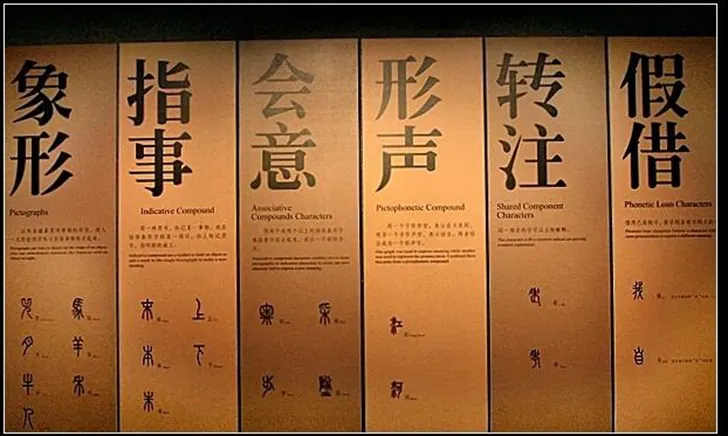
Unlike alphabetic systems, Chinese writing relies on characters representing meaning rather than sounds. These characters, called hànzì (汉字) can convey a wide range of meanings, making Chinese a logographic language. There are five types of Chinese characters:
Pictographs (象形字 - Xiàng Xíng Zì): These characters directly resemble the objects they represent. For example, the character for "mountain" (山) has evolved from simply depicting a mountain.
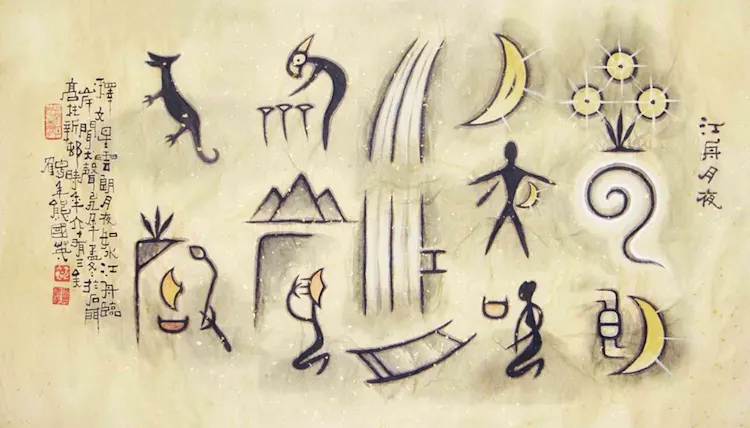
Ideographs (指事字 - Zhǐ Shì Zì): Ideographs express abstract ideas or concepts rather than concrete objects. They use simple symbols to convey broader meanings. The character for "big" (大) is an ideograph representing the size concept.
Compound Ideographs (會意字 - Huì Yì Zì): These characters combine two or more ideographs to create a new meaning. An example is the character for "home" (家), formed by combining the characters for "roof" (宀) and "pig" (豕), suggesting a place where pigs are kept under a roof.
Phonetic Compounds (形聲字 - Xíng Shēng Zì): These characters consist of a semantic component indicating the general meaning and a phonetic component suggesting the pronunciation. This type of character aids in pronunciation and is prevalent in the Chinese writing system. For instance, the character for "listen" (聽) combines a component related to sound with another, indicating the meaning.
Derivative Characters (轉注字 - Zhuǎn Zhù Zì): Over time, characters may undergo simplification or modification, resulting in derivative forms. These changes often occur due to handwriting variations or efforts to streamline the writing system.
History of Chinese Writing
The origins of Chinese characters can be traced to inscriptions on oracle bones and bronze artifacts from the Shang Dynasty more than 3,000 years ago. These early characters were pictographic, capturing the physical forms of objects and natural elements. As communication needs expanded, so did the complexity of characters, leading to the emergence of ideographs that conveyed abstract concepts. The Shang script laid the foundation for subsequent dynasties.
One of the pivotal moments in the history of Chinese characters occurred during the Qin Dynasty (221-206 BCE) with the standardization of the script under Emperor Qin Shi Huang. This led to the creation of the first Chinese dictionary and the unification of character forms across the empire, marking a significant milestone in linguistic consistency.
Over centuries, various script styles emerged, such as the Seal Script and Clerical Script, reflecting the artistic preferences of different dynasties. The 20th century saw further reforms, notably the simplification of characters to increase literacy rates, resulting in the coexistence of simplified and traditional characters.
Chinese Writing Strokes
Many characters are meticulously designed to achieve equilibrium between strokes, creating a sense of visual harmony. The order in which strokes are written contributes to the character's overall legibility and aesthetic appeal. Understanding stroke order is akin to learning a choreography that brings characters to life on paper or other mediums, preserving the artistic tradition of Chinese calligraphy.
The logic behind each stroke dictates the direction, length, and connection to other strokes. Stroke order, an essential aspect of this logic, follows a specific sequence that enhances writing efficiency and upholds the visual harmony and balance inherent in Chinese calligraphy. That's because the order and direction of strokes can influence the speed and fluidity of writing.
Let's take the character "人" (rén), which means "person" in Chinese, as an example to illustrate stroke logic. This character consists of two strokes:
Horizontal Stroke: The first stroke is a short horizontal line written from left to right. It represents the ground or baseline and serves as the foundation of the character.
Vertical Stroke: The second stroke is a longer vertical line, written from top to bottom, intersecting the horizontal stroke near the center. This vertical line represents the human figure, symbolizing a person standing upright.
The stroke logic in writing the character "人" adheres to the principle of starting with the horizontal stroke, establishing the baseline, and then adding the vertical stroke to complete the character. This stroke order not only reflects the visual simplicity of the character but also follows a logical sequence that aids in writing fluency and character recognition.
How to Learn and Practice Chinese Writing
Learning Chinese writing requires dedication and a systematic approach. This section will guide you through effective learning strategies, whether you're a beginner or looking to refine your skills.
Start with BasicsBegin with fundamental strokes and progress to more complex characters. Building a solid foundation is essential. Here are some simple Chinese characters that are easy to learn for beginners.
Use Mnemonics: Create associations and mnemonic devices to remember characters more easily. This technique can make the learning process more engaging and memorable.
Practice Regularly: Consistency is key. Set aside daily time to practice writing characters, reinforcing muscle memory.
Utilize Writing Tools: Take advantage of online resources, apps, and interactive platforms designed for learning Chinese characters. These tools can provide real-time feedback and additional support.
Immerse Yourself: Immerse yourself in the language and culture. Reading Chinese texts, watching films, and conversing with native speakers can enhance your understanding and appreciation of Chinese writing.
By following these steps, you'll grasp the technical aspects of Chinese writing and develop a genuine connection with the language and its cultural nuances. From the basic strokes to the complex characters, each element contributes to a script that is not just a means of communication but a living testament to China's rich heritage.
Want your child to learn Chinese? LingoAce is one of the best ways to learn Chinese for kids. Each one-on-one lesson is the product of nearly 200 hours of curriculum development, teacher training, and quality control. Our classes are tailored to meet your child's learning needs. Experience a redefined Chinese learning experience first-hand and book a free trial class with us today.