When students return to English lessons after a long break, many think the same thing: “I forgot everything.” The good news is, most of the time, they didn’t. What changed isn’t what they know, it’s how easily they can access it.
After periods of complete disconnection, restarting learning requires cognitive effort that continuation does not. The difficulty students feel when re-entering English isn’t simply memory loss. It’s restart friction. This blog explores the science behind why restarting after long breaks feels harder than continuing, and why even light contact during holiday periods can prevent that cognitive cost.
1. The Brain Prefers Momentum
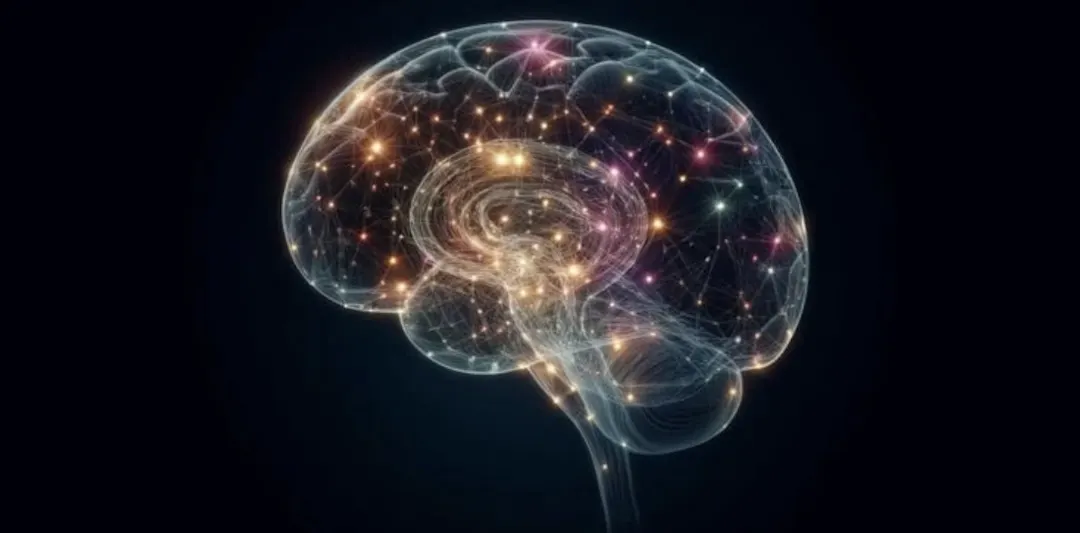
Learning operates on activation. When neural pathways are used repeatedly, they become easier to access. When they go unused, their activation threshold rises, which means the brain must expend more energy to reactivate them. Cognitive psychology describes this as retrieval strength vs. storage strength. Information can remain stored in long-term memory, but retrieval strength declines quickly without use. That decline doesn’t mean knowledge disappears, but it does mean accessing it feels harder. This is why students returning from long breaks often:
Pause longer before answering
Speak more cautiously
Rely on simpler sentence structures
Claim they “don’t remember,” even when they do
The knowledge is present. The activation energy has simply increased.
🧠 Cognitive Principle: Inactivity increases the effort required to restart.
2. The Measurable Cost of Task-Switching
Research on executive function shows that switching between cognitive domains carries a measurable cost. When students shift from holiday mode (social interaction, travel, celebration) back to structured language processing, the brain must reconfigure priorities. This reconfiguration isn’t instant. Studies on task-switching demonstrate slower response times and increased mental load during transitions between modes of thinking. After a long break, students are re-entering:
Listening mode
Response formulation
Grammatical monitoring
Correction tolerance
Sustained attention
Restarting all of these systems simultaneously explains why the first lesson back often feels heavier than expected.
⏳ Neuroscience Insight: Switching cognitive modes requires measurable effort.
3. Fluency Cools Down Without Practice
Fluency depends on automaticity. Repeated use of language reduces processing demands, allowing students to speak without consciously assembling each component. When practice pauses completely, automaticity weakens first, not comprehension. This is why students may understand everything but struggle to produce it smoothly after a break. Fluency research shows that production skills are particularly sensitive to interruption. Even short pauses in speaking practice can:
Increase hesitation
Slow word retrieval
Reduce sentence length
Increase self-monitoring
This often feels discouraging to students. They interpret slowed fluency as lost progress, when in reality it reflects reduced automatic activation.
🔄 Language Principle: Fluency fades faster than understanding.
4. Restart Friction Affects Confidence
Beyond cognition, there is an emotional layer to restart friction. Behavioral science suggests that interrupted habits require more motivational energy to resume than to maintain. When students experience difficulty during re-entry, they may:
Speak less to avoid mistakes
Rely on memorized responses
Hesitate before volunteering
Feel temporarily less confident
This emotional dip is not permanent, but it is predictable. The brain associates the increased effort of reactivation with perceived difficulty. Maintaining light contact during holidays prevents this confidence drop because activation thresholds never rise dramatically.
📉 Behavioral Insight: Stopping fully costs more motivation than continuing lightly.
5. Why Light Exposure Prevents Restart Shock
The spacing effect in learning science demonstrates that distributed practice strengthens long-term retention more effectively than concentrated bursts separated by long gaps. Beyond retention, light exposure keeps retrieval pathways warm. Even brief lessons during holiday periods:
Maintain response speed
Preserve automaticity
Reduce hesitation
Lower cognitive load during re-entry
Students who maintain some contact with English during Chinese New Year often return not feeling like they are picking up where they left off. The difference isn’t dramatic visible progress, but rather reduced restart friction.
🛣️ Learning Insight: It’s easier to keep a pathway active than to rebuild it.
Final Thoughts
Restarting after a long break feels harder, not because students have lost everything, but because their cognitive systems need to be reactivated. Retrieval slows, fluency cools, and confidence dips temporarily. At LingoAce, we understand that continuity during busy periods like Chinese New Year is about preventing restart friction. Even light engagement protects learning momentum and makes returning smoother, faster, and less frustrating.
LingoAce offers qualified teachers smooth onboarding for an online ESL job. With tools and resources tailored to TESOL/TEFL-certified teachers, you’ll have everything you need to teach English remotely to children and thrive in this exciting career!