Days of the week in Mandarin are different than in English. In English, days are based on Latin words. In Chinese, days of the week follow a logical pattern and are easy to memorize. Instead of being based in Latin, they are numbered.
The week starts with a prefix that means “‘weekday”’ and then ends in a number. Weeks in Chinese begin on Mondays. So, Monday is one, Tuesday is two, Wednesday is three, Thursday is four, Friday is five and Saturday is six. If you wanted to say Wednesday, for example, you would say the prefix and then the Chinese number for three. It’s simple!
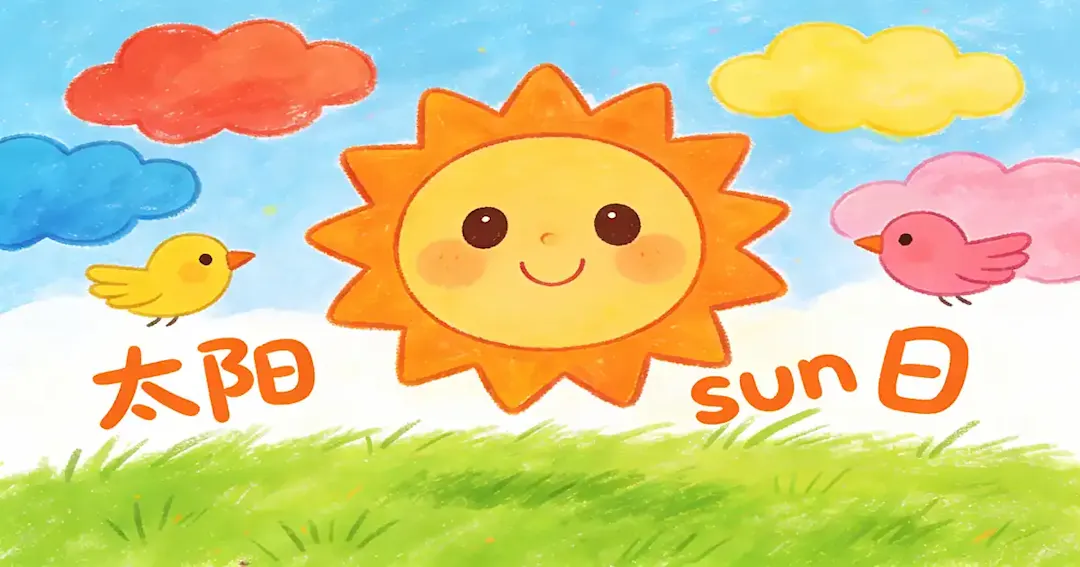
The only anomaly is Sunday. That day uses the Chinese characters for "sun" or "sky/god." This was due to influences from Christian missionaries.
Monday | Tuesday | Wednesday | Thursday | Friday | Saturday | Sunday |
|---|---|---|---|---|---|---|
1 | 2 | 3 | 4 | 5 | 6 | N/A |
Chinese has three different prefixes for days of the week, which range from the formal way of saying the day of the week to the informal. However, the pattern itself doesn’t change. It’s always prefix plux a number.
To see what the pattern looks like, see below!
Formal way to write days of the week in Chinese: 星期 (xīng qí)
星期 (xīng qí) is the formal way of saying the day of the week. It’s most commonly found when you write the day of the week.

Conversational ways to say days of the week in Chinese: 礼拜 (lǐ bài) and 周 (zhōu)
礼拜 (lǐ bài) is a semi-formal way of saying the day of the week. It’s most commonly used in conversation. So following the same pattern as above, you would say Monday as 礼拜一 (lǐ bài yī ).
周 (Zhōu) is an informal way of saying the day of the week, and is also mostly used in conversation. This prefix is mainly used by Chinese speakers in mainland China. With a similar pattern as above, this pattern uses 周 (Zhōu) plus the number. The meaning of this word is “weekday” or “cycle”.

Below are other day and time related words that you should know.
Today: Jīn tiān 今天
Tomorrow: Míng tiān 明天
Yesterday: Zuó tiān昨天
Next week: Xià gè xīng qí 下个星期
Last week: Shàng gè xīng qí上个星期
Now you know how to say the days of the week in Mandarin Chinese!
Want your child to learn even more Chinese vocabularly and culture? LingoAce is one of the best ways to learn Chinese for kids. Each one-on-one lesson is the product of nearly 200 hours of curriculum development, teacher training, and quality control. Our classes are tailored to meet your child’s learning needs.
Experience a redefined Chinese learning experience first-hand and book a free trial class with us today.