What Is the double ninth festival?
The double ninth festival, also known as Chongyang Festival (重阳节), is a traditional Chinese festival observed on the ninth day of the ninth month of the lunar calendar.
The number nine holds special meaning in Chinese culture. It is associated with strength, longevity, and positive energy. When the ninth day meets the ninth month, the festival is believed to carry “double yang” energy, which is where the name Chongyang comes from.
Over time, the double ninth festival has become closely connected with ideas of health, family, respect for elders, and reflection. While it may not be as widely celebrated as the Lunar New Year, it carries deep cultural meaning and continues to be observed in many families today.
The Historical Origins of the double ninth festival
The roots of the double ninth festival can be traced back more than two thousand years. Early records suggest that people believed the ninth day of the ninth lunar month was a time when natural energy was especially strong.
Ancient customs focused on protecting health and avoiding misfortune. People would climb to higher ground, drink herbal wine, and carry plants believed to ward off illness.
As these practices passed down through generations, the festival slowly took on a more symbolic meaning. What began as a way to stay healthy became a time to think about balance, well-being, and one’s place in the natural world.
Why the Number Nine Matters in Chinese Culture
To understand the double ninth festival, it helps to understand the meaning of the number nine in Chinese culture.
Nine is the largest single-digit number and is often associated with:
Longevity
Strength
Completeness
In ancient China, nine was also linked to emperors and authority. The repetition of nine on this festival day made it feel especially powerful.
This belief shaped many festival customs. Activities were designed to work with positive energy rather than against it, reflecting the traditional idea of living in harmony with nature.

Climbing High: A Symbol of Health and Perspective
One of the most well-known traditions of the double ninth festival is climbing to a high place, such as a hill or mountain.Originally, this practice was linked to avoiding illness and danger. Over time, it took on a more symbolic meaning.
Climbing high came to represent:
Looking ahead with clarity
Seeking good health
Gaining a broader perspective on life
Today, families may go hiking together or take a walk in nature. Even when the activity is simple, the idea behind it remains the same: staying active and appreciating the world around us.
Chrysanthemums and Their Cultural Meaning
Another important symbol of the double ninth festival is the chrysanthemum flower.
Chrysanthemums bloom in autumn, a season often linked with maturity and reflection. In Chinese culture, the flower represents:
Endurance
Calmness
A long and steady life
People traditionally admired chrysanthemums, drank chrysanthemum tea or wine, and used the flower in decorations.
For children learning Chinese culture, this symbol offers a gentle way to understand how nature and seasonal change play a role in traditional festivals.
The Festival’s Strong Connection to Respect for Elders
In modern China, the double ninth festival is widely recognized as a day to honor and care for older family members.
This connection developed naturally. The number nine is linked with long life, making the festival a meaningful time to show appreciation for elders.
Families may:
Visit grandparents
Spend time together
Express gratitude and care
In 1989, the Chinese government officially recognized the double ninth festival as Seniors’ Day, reinforcing its role as a celebration of aging and respect.
For children, learning about this festival helps them understand the cultural importance of family bonds and respect across generations.

How the double ninth festival Is Celebrated Today
Modern celebrations of the double ninth festival vary by region and family.
Some common activities include:
Family gatherings
Outdoor walks or hikes
Sharing traditional food
Visiting elderly relatives
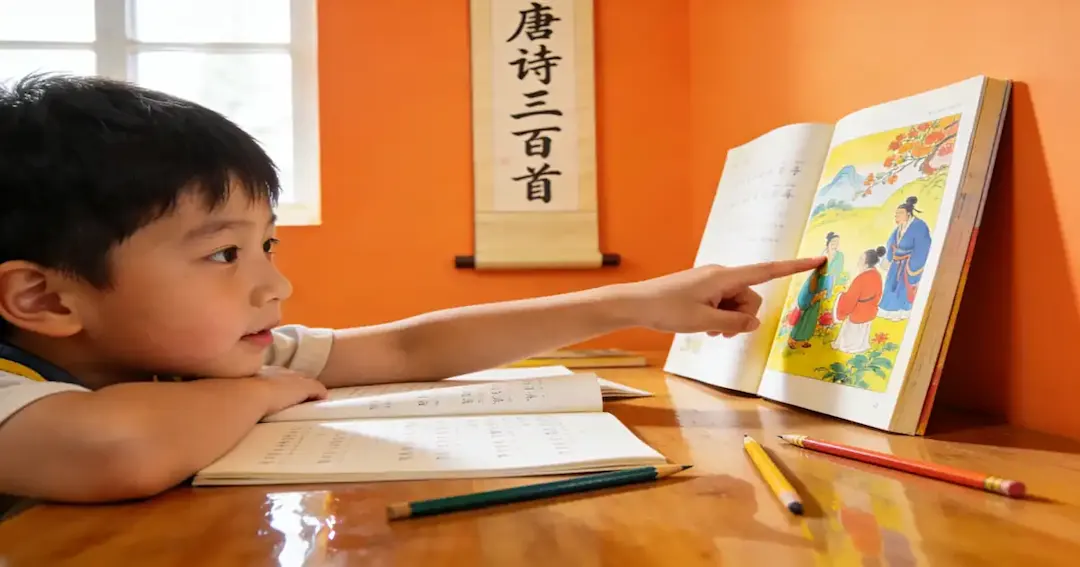
In schools, children may learn about the festival through stories, crafts, or simple discussions about family and respect.Even though modern life has changed how the festival is observed, its core values remain strong.
Traditional Foods Associated With the Festival
Food is an important part of many Chinese festivals, and the double ninth festival is no exception.
One traditional food is double ninth cake (重阳糕). The cake is often layered and slightly sweet. Its name sounds similar to the word for “climbing high,” which fits the festival’s theme.
Eating this cake symbolically represents:
Growth
Progress
Wishing for better days ahead
For children, learning about festival foods makes cultural traditions more tangible and memorable.
What the double ninth festival Teaches About Chinese Values
The double ninth festival reflects several key values in Chinese culture:
Respect for elders
Care for health and balance
Appreciation of nature
Reflection and gratitude
Rather than focusing on celebration alone, the festival encourages people to slow down and think about family, time, and well-being.These ideas are deeply woven into Chinese traditions and daily life.
Why Learning About the double ninth festival Matters for Children
For children learning Chinese, festivals like the double ninth festival provide important cultural context.
They help children:
Connect language with real traditions
Understand why family and respect are emphasized
See how values are passed down through stories and customs
Learning about festivals makes language learning more meaningful and helps children feel connected to the culture behind the words.
The double ninth festival in Modern Chinese Society
Today, the double ninth festival continues to evolve.
While some traditions have become simpler, the festival’s message remains relevant. In a fast-paced world, it reminds people to care for their health, spend time with family, and respect those who came before them.
For many families, it is a quiet but meaningful moment in the year.
Conclusion: A Festival Rooted in Care and Reflection
The double ninth festival is not about loud celebrations or grand displays. Its meaning lies in reflection, respect, and connection.
Through symbols like climbing high, chrysanthemums, and family gatherings, the festival teaches values that remain important today. For children learning Chinese, understanding the double ninth festival opens a window into how culture, tradition, and daily life come together.
By learning about festivals like Chongyang, children do more than study holidays. They learn how values are expressed through tradition—and how culture shapes language in lasting ways.