When learning any language, greetings are often among the first phrases you acquire. With a history spanning over 5,000 years, the Chinese language has a rich variety of expressions for greetings, reflecting its diverse culture and history. Exploring the ways to ask "How are you?" in Chinese reveals a vibrant array of expressions. Here are eight ways to say how are you:
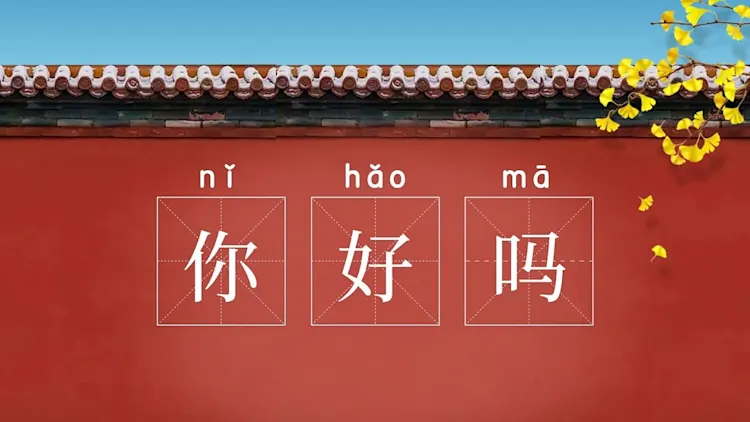
1、你好吗? - Nǐ hǎo ma?
This is one of the most basic and common ways to greet someone. It is simple and direct, suitable for various situations. However, in actual communication, relying solely on this greeting may seem a bit formal and rigid.
2、最近还好吗? - Zuìjìn hái hǎo ma?
This greeting expresses a greater concern about the other person's recent well-being by adding "最近" (zuìjìn), meaning "recently." It conveys warmth and is suitable for a more intimate setting.
3、你最近怎么样? - Nǐ zuìjìn zěnme yàng?
Similar to the second one, this greeting also focuses on the other person's recent situation but with a more casual tone. It is ideal for friendly exchanges between friends or acquaintances.
4、最近在做什么? - Zuìjìn zài zuò shénme?
By inquiring about what the other person has been up to recently, this greeting expresses interest in their daily activities. It is suitable for occasions where you want to know more about the person's routine.
5、身体好吗? - Shēntǐ hǎo ma?
This greeting shows concern for the other person's health. It is particularly suitable for conversations with older individuals or when checking up on friends or family members you haven't seen in a while.

6.、老师好 - Lǎoshī hǎo
This is a way for students to greet their teachers, expressing respect and concern for the teacher's well-being. It can be adapted to other titles or relationships, such as "同学好" (tóngxué hǎo) meaning "Hello, classmates."
7.、大家好 - Dàjiā hǎo?
This is a collective greeting used to address a group of people. It is suitable for situations like starting a meeting or giving a speech where you want to greet everyone present.
8、 晚上好 - Wǎnshàng hǎo
This is a specific time-based greeting, typically used in the evening. It conveys good wishes for the evening.
In summary, these greetings showcase the meticulous considerations given to context, relationships, and situations in the Chinese language. By flexibly applying these expressions, you can better integrate into the Chinese language context, demonstrating a deeper understanding of language and culture. In the process of learning Chinese, it's essential not only to master these expressions but also to grasp the cultural meanings behind them to establish a more nuanced and profound language communication. At LingoAce, each course is the result of our team's efforts, involving over a hundred hours of course design, instructional material creation, simulated teaching, teacher training, and quality control. We invite you and your child to join a complimentary trial class to personally experience the extraordinary Chinese learning journey offered by LingoAce!