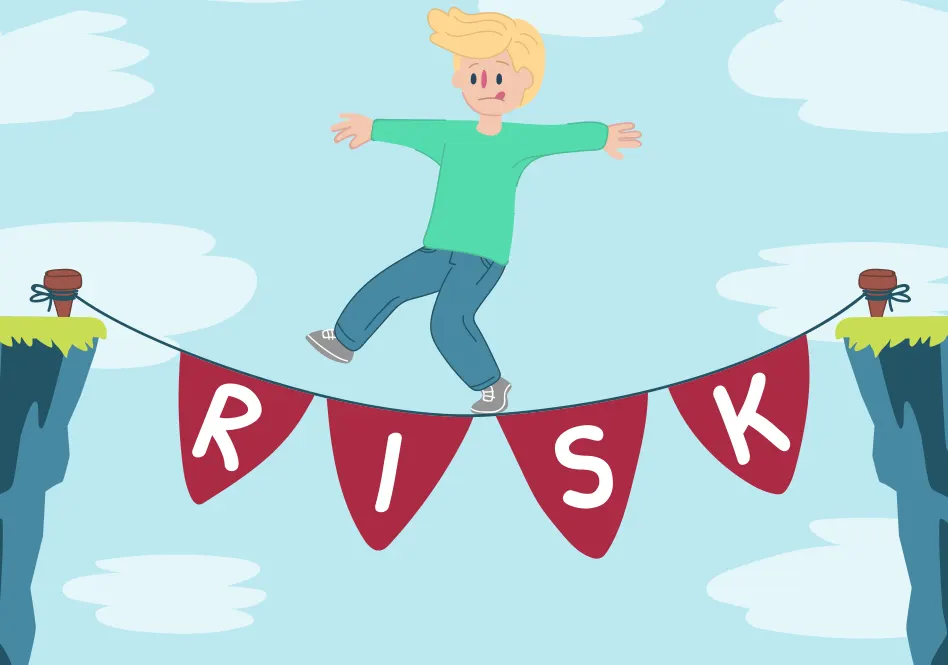

Students don’t just learn from your words, they respond to your energy. Are you calm? They settle. Are you anxious? They fidget. Are you scattered? They disconnect. Are you focused and present? They lean in. This phenomenon is known in child psychology as emotional mirroring, and it happens whether we intend it or not. Children, especially younger ones, are remarkably attuned to the emotional states of the adults around them. In a digital classroom, where so many social cues are stripped away, your energy becomes a primary anchor. Let’s explore how your presence shapes participation, and how to work with, not against, your own energy in the online classroom.
1. Emotional Mirroring
Even across a screen, your emotional state carries weight. Children, especially those still developing self-regulation, look to trusted adults to “co-regulate.” That means they borrow your calm, your focus, and even your enthusiasm when they don't have enough of their own. If you’re frazzled, rushed, or visibly tense, students may not understand why, but they’ll mirror it back with resistance, inattention, or emotional withdrawal. If you're relaxed and grounded, that becomes the model they follow.
This mirroring has less to do with a mood and more to do with nervous system alignment. You’re essentially setting the emotional tone for the room, even when that “room” is virtual.
⚡ Energy Setting: Before you can redirect a student's energy, you have to stabilize your own. You're the teacher and the thermostat.
2. Energy & Engagement
It’s a common trap: feeling like you have to be “on” (cheerful, animated, big energy) to keep students interested. To be fair, sometimes a burst of silliness is exactly what a lesson needs, but sustained high energy isn’t always sustainable or effective. Too much energy, especially when mismatched with your student’s pace or mood, can feel overwhelming. For some learners, it can even trigger withdrawal. The real goal isn’t “high” energy, it's intentional energy.
Being warm, responsive, and clear is far more powerful than being loud or theatrical. In fact, a grounded, calm presence is often what helps students feel most secure and ready to engage.
👨🏻🏫 Leading the Way: Show up how you want your student to feel, not how you think you need to perform. Consistency beats charisma.
3. Presence & Performance
Students need a connection. You can have the flashiest games and still lose the room if you’re mentally juggling your next activity or trying to “push through” disengagement. A teacher who’s fully present (tuned into the child in front of them, listening to their tone, noticing their hesitation) can create a powerful connection with the simplest tools.
Presence doesn’t mean perfection, it means letting go of the pressure to entertain and focusing instead on attunement (watching, adjusting, and staying human in the moment). Sometimes the most impactful thing you do isn’t correcting an error or transitioning cleanly. It’s pausing for a few seconds after a student speaks, smiling with real attention, and saying, “That was thoughtful. Let’s keep going.”
🫴🏻 Making Connections: You don’t need to perform to connect. Presence says: “I’m here, with you, for this moment.”
4. Regulate, Then Respond
We all know there will be tough moments. Maybe a student logs in grumpy, a favorite activity flops, or you're tired from teaching back-to-back. Your instinct might be to fix it quickly (raise your voice, speed up, or double down on enthusiasm), but before you try to influence them, you need to regulate yourself.
When you feel your body tighten, your voice rising, or your breath shortening... that’s your cue. Pause. Breathe. Ground yourself before reacting. Students are listening to your words while reading your nervous system. This kind of emotional leadership is what creates safety. When students see you managing discomfort without panic, they learn they can do the same. Over time, your calm response becomes part of their internal script.
🙌🏻 Class Management: Your most powerful classroom management tool is self-regulation. What you model in moments of challenge is the key to regulating the room.
5. Dealing With Energy Dips
It’s mid-lesson. You’ve explained the task, shared the screen, and… crickets. Eyes glazed. The student mutters, “I don’t know.” You feel the dip and now you’re at a crossroads. Do you push forward? Switch gears? Pause?
Here’s where flexibility becomes more powerful than momentum. If energy is low, it’s not always because students are bored. It could be fatigue, confusion, anxiety, or simply emotional overload. Instead of assuming the worst, get curious:
Would a game re-energize?
Does the student need a moment of humor?
Would a reset help?
Or is it time to acknowledge the lull and go simpler?
Energy dips are feedback. When you treat them that way, you keep the relationship intact and the learning alive.
🎬 Reacting Properly: You don't have to fix every low moment. Be responsive, but address the student's needs in the moment.
Final Thoughts
You may not always feel in control of the lesson, but you are in control of your presence, and presence is powerful. At LingoAce, we believe great teaching comes from showing up with intention, steadiness, and care. Your energy sets the tone for what students believe is possible in your class.
LingoAce offers qualified teachers smooth onboarding for an online ESL job. With tools and resources tailored to TESOL/TEFL-certified teachers, you’ll have everything you need to teach English remotely to children and thrive in this exciting career!