Greetings serve as the gateway to communication, reflecting cultural norms, and fostering connections between individuals. In the Chinese language, there are several expressions used to say "hello," each carrying its unique nuances and contexts. In this blog post, we embark on a journey to explore the diverse ways to greet in Chinese, from traditional phrases to modern colloquialisms, shedding light on the rich tapestry of Chinese language and culture.
Traditional Greetings:
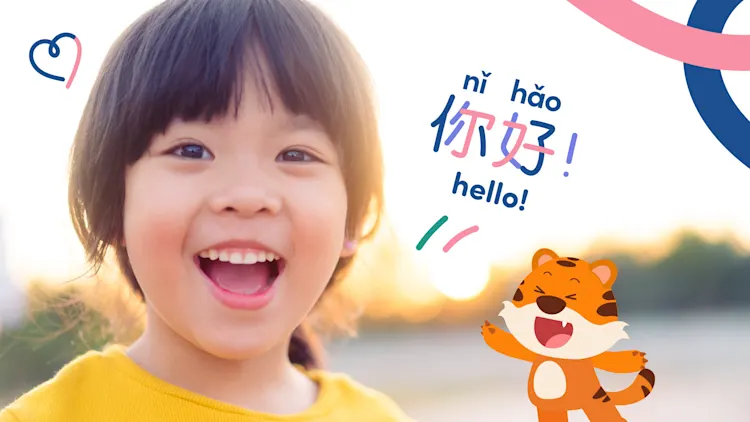
"你好" (Nǐ hǎo): The most common and formal way to say "hello" in Chinese.
"您好" (Nín hǎo): A polite form of greeting, used to show respect to elders or in formal settings.
"早上好" (Zǎoshang hǎo): Meaning "good morning," used to greet someone in the morning hours.
"下午好" (Xiàwǔ hǎo): Meaning "good afternoon," appropriate for greeting in the afternoon.
"晚上好" (Wǎnshàng hǎo): Meaning "good evening," used to greet someone in the evening or at night.
Casual and Informal Greetings:
"哈罗" (Hā luō): A borrowed word from English, commonly used among young people to say "hello."
"嗨" (Hāi): Another loanword from English, used informally to greet friends or peers.
"嘿" (Hēi): A casual and colloquial way to say "hi" in Chinese, often used among close friends.
Phone Greetings:
"喂" (Wèi): The standard way to answer the phone in Chinese, similar to saying "hello?"
"您好,我是..." (Nín hǎo, wǒ shì...): A polite phone greeting, introducing oneself after answering the call.
Unique Cultural Greetings:
"你吃了吗?" (Nǐ chīle ma?): Literally translates to "Have you eaten?" but commonly used as a greeting, reflecting traditional Chinese hospitality and concern for others' well-being.
"最近怎么样啊?" (Zuì jìn zěnme yàng a?): Meaning "How have you been recently?" a common way to greet friends and catch up on their lives.
In conclusion, the Chinese language offers a rich variety of expressions for greeting, ranging from formal to informal, traditional to modern. By understanding these diverse ways to say "hello" in Chinese, learners not only enhance their language skills but also gain insights into Chinese culture and social norms. Whether exchanging pleasantries with friends, colleagues, or strangers, mastering the art of greeting in Chinese adds depth and warmth to interpersonal interactions, bridging cultural divides and fostering meaningful connections.
Want your child to learn Chinese? LingoAce is one of the best ways to learn Chinese for kids. Each one-on-one lesson is the product of nearly 200 hours of curriculum development, teacher training, and quality control. Our classes are tailored to meet your child's learning needs.
Experience a redefined Chinese learning experience first-hand and book a free trial class with us today.