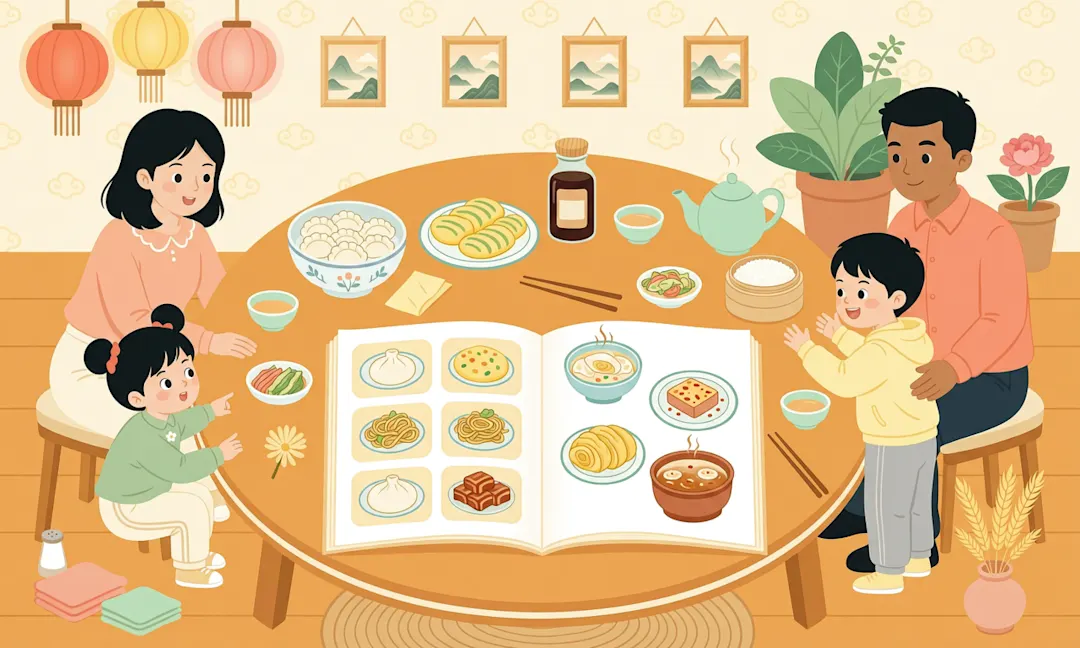
Ever taken your kid to a Chinese restaurant in North America and felt that familiar mix of hope and dread? The menu looks familiar—dumplings, fried rice, kung pao—but you still can’t picture what will actually arrive, what it will taste like, or whether your child will take two bites and declare defeat. This list isn't just about names. It's about decoding those "you think you know it" dishes: what they really are, why they're famous and how to order in a way that’s safer for families.
How to use this: skim the table first, then pick three dishes for a simple family “taste night.” Your child doesn’t need to love everything. If nobody melts down, you’re already doing great.
Famous Chinese Food Menu Decoder Table
Dish (English) | People think… | What it actually is | Flavor/Texture |
Dumplings | “All dumplings are the same” | Jiaozi (boiled/pan-fried), Wontons (soupy), Xiaolongbao (soup inside) | chewy + savory |
Fried Rice | “Just rice + soy sauce” | A technique dish; best versions are dry, fluffy, not greasy | savory, light |
Kung Pao Chicken | “Sweet and sticky” | Classic has chili + peanuts; can be spicy | savory + nutty |
Mapo Tofu | “Spicy tofu” | Sichuan ‘mála’: spicy + numbing peppercorn | soft + bold |
Hot Pot | “One soup” | A DIY meal: broth + dips + quick-cooked slices | interactive |
Chow Mein | “Lo mein = chow mein” | Chow mein is often pan-fried; lo mein is tossed in sauce | chewy |
Peking Duck | “Duck = gamey” | Roast duck with crisp skin + pancakes | crispy + rich |
Char Siu | “BBQ pork slices” | Cantonese roasted pork with a sweet-savory glaze | tender |
Congee | “Plain porridge” | Comfort rice porridge; sweet or savory depending on toppings | soft |
Scallion Pancake | “A pancake” | flaky, savory flatbread | crispy + chewy |
Dan Dan Noodles | “Peanut noodles” | Spicy, savory sauce; varies a lot by restaurant | saucy |
Wonton Soup | “Just soup” | delicate wrappers + light broth (often customizable) | warm + gentle |
Zha Jiang Mian | “Spaghetti” | Beijing-style noodles with soybean paste sauce | hearty |
Bao (Buns) | “All bao are steamed” | Steamed or baked buns; fillings vary widely | soft |
Egg Tarts | “Not Chinese?” | Cantonese bakery classic; flaky custard tart | sweet |
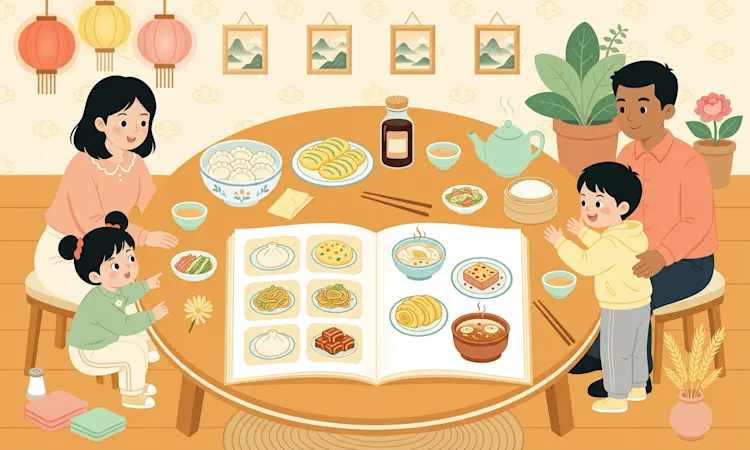
Famous Chinese Food Myth-Busters You Can Actually Use at the Restaurant
The goal here is simple: take the famous chinese food items that most often surprise families, and make them predictable—taste, texture, and ordering words.
1) Dumplings: You think it’s one thing, but it’s a whole family
When kids say “I don’t like dumplings,” they often mean they didn’t like one wrapper texture or one filling style.
Real story: Jiaozi are more of a main dish (boiled or pan-fried). Wontons are usually in soup. Xiaolongbao are soup dumplings—bite too fast and, yep, hot soup surprise.
Safer order: Start with pan-fried dumplings. The crispy edge wins a lot of kids over.
2) Fried Rice: Not a side dish when it’s done well
In North America, fried rice can be oily or soggy, and kids get tired of it fast.
Real story: Great fried rice is fluffy and dry—not greasy, not clumpy.
Safer order: Ask for “less oil” or “light soy.” Most places understand.
3) Kung Pao Chicken: It isn’t always sweet
Real story: The classic style is savory, a bit spicy, and peanut-forward. Many takeout versions lean sweeter and thicker.
Safer order: “Mild kung pao” or “chili on the side.”
4) Chow Mein vs Lo Mein: You’re not forgetful—the names are confusing
Real story: Chow mein is often pan-fried and a bit drier. Lo mein is more like “tossed noodles” with sauce.
Safer order: If your kid dislikes “wet/soft,” lean chow mein. If they prefer saucy, lo mein.
5) Mapo Tofu: “Numbing” isn’t “extra spicy”
Real story: Sichuan málà is spicy plus numbing (peppercorn). Some first-timers describe it as “my tongue feels weird.”
Safer order: “Less spicy mapo tofu.” If peppercorn is the issue, you can ask, but not every kitchen can remove it.
6) Wonton Soup: The beginner safety blanket
Real story: Light broth + soft wontons is often the easiest “first Chinese restaurant” dish for kids.
Safer order: “Wonton soup + noodles” can become the reliable dinner option.
Famous Chinese Food by Region in 2026
This section puts famous chinese food into a simple “regional flavor map”—not a lecture, just a shortcut for ordering.
One-sentence region cheat sheet
Cantonese: cleaner, lighter flavors; roast meats and dim sum culture
Sichuan: bold aroma; spicy + numbing profiles
Northern styles: noodles and dumplings are major; richer sauces and braises show up often
7) Char Siu: A family-friendly starting point
Real story: Sweet-savory Cantonese roast pork.
Safer order: “Char siu over rice” or “BBQ pork buns.”
For kid: Ask for less sauce and pair with plain rice.
8) Congee: Not boring—customizable
Real story: Congee is the base; toppings create the flavor.
Safer order: “Chicken congee” or “plain congee + toppings.”
For kid: Ask for toppings on the side if your child is sensitive to onion/ginger.
9) Scallion Pancake: More like a shareable snack than a “pancake”
Real story: Flaky, savory flatbread.
Safer order: “Extra crispy.”
For kid: Cut into small squares; pair with a mild dip.
10) Peking Duck: Don’t start with the full ceremony
Real story: The magic is the crispy skin; pancakes and sides are part of the fun.
Safer order: Extra pancakes, lighter sauce, more meat than skin if your child dislikes rich textures.
11) Dan Dan Noodles: Spice level can be wildly different
Real story: Some are gently spicy; some are… not.
Safer order: “Less spicy” or “chili oil on the side.”
For kid: Try one bite first, then adjust. Don’t mix the whole bowl red immediately—kids sometimes decide they “hate noodles forever” after one bad experience.
12) Hot Pot: For kids, it’s basically edible play
Real story: Hot pot is interactive. It doesn’t have to be spicy.
Safer order: Non-spicy broth (tomato/mushroom/clear) + simple dipping sauces.
If your child is curious about dish names, try a tiny routine: pick one famous chinese food from this list, learn one word for it, and have them say it at the table. If you want a ready-made way to keep that momentum (speaking + vocab + culture), a LingoAce trial class is an easy next step.

Famous Chinese Food Kids Usually Like
This is the realistic part: kids aren’t trying to “experience culture.” They’re trying to not be surprised by texture. And that’s fine.
13) Bao (Buns): Soft, warm, handheld
Safer order: Steamed BBQ pork buns or custard buns.
For kid: Let them open it first and look inside. Visual comfort matters more than we want to admit.
14) Egg Tarts: Dessert is the easiest doorway
Safer order: “Not too sweet,” fresh if available.
For kid: Even one phrase like “tastes good” (in any language they’re learning) makes the meal feel like progress.
15) The “Build-Your-Own” plate: A way to order, not a single dish
Plain rice + char siu (or mild stir-fried vegetables) + wonton soup. Let your child control the order they eat things. A lot of rejection is really “I can’t control this.”
FAQ
1) What are the most famous chinese food dishes for beginners in 2026?
Start with predictable flavors and textures: wonton soup, fried rice (less oil), char siu, scallion pancakes, and steamed buns. Then add one “explained” dish like Peking duck or mild kung pao once your child is comfortable.
2) Authentic Chinese food vs Americanized Chinese takeout: what’s the real difference?
Often it’s sweetness, sauce thickness, spice balance, and ingredient variety. Many takeout classics are sweeter and more uniform; authentic Chinese food tends to highlight regional styles and layered flavors. You don’t have to “pick a side”—pick what your family enjoys.
3) What are kid-friendly Chinese dishes for picky eaters?
Gentle soups (wonton soup, congee), build-your-own plates (rice + mild protein + soup), and crispy items (scallion pancakes). Ordering tips: sauce on the side, less oil, and “not spicy.”
4) How do I order famous chinese food without guessing?
Use three questions: “Is it spicy?” “Can you make it mild?” “Can we get sauce on the side?” Combine that with the menu-decoder table and your risk drops fast.
5) Is famous chinese food healthy for kids?
It depends on choices and balance. Soups, steamed/braised dishes, and vegetable-heavy options are generally steadier. Fried items and heavy sweet sauces are fine occasionally. A practical rule: include one soup, one vegetable, and one protein dish in the meal.
Conclusion
In 2026, it’s still normal to feel unsure ordering famous chinese food—menu names are broad and translations blur details. If you choose by texture and keep spice/sauce controllable, family Chinese nights get easier quickly.
If your child starts getting curious about the words behind the food and the culture behind the flavors, don’t let that curiosity fade. Booking a LingoAce trial class is one simple next step to turn “dinner curiosity” into real speaking and vocabulary progress—without you needing to plan lessons.