Learning Chinese characters can be challenging for young learners, especially compared to alphabet-based writing systems. Each character in Chinese represents a word or idea and comprises complex strokes that follow specific rules.

The good news is that teaching Chinese characters to kids doesn't have to be intimidating. With the right approach, learning Chinese characters can be manageable, fun, and engaging for children. Whether you're a teacher, parent, or tutor, incorporating playful, hands-on activities, stories, movement, and repetition can help children develop a love for learning Chinese and build a strong foundation in character recognition.
Why Make Character Learning Fun?
Chinese characters—汉字 (hànzì)—are logographic, meaning each one represents a word or concept, rather than a sound as in alphabet-based languages. While this can seem overwhelming at first, it also opens up opportunities for visual and kinesthetic learning. For kids, making the learning process interactive helps improve memory retention, build enthusiasm, and support long-term language development. By integrating games, crafts, movement, and stories, you can help kids associate characters with meaning and structure in an intuitive and fun way.
Character Tracing with Playdough or Sand
Kids love getting their hands messy—which can be great when learning Chinese characters! Give them a tray of sand or a mat and some playdough. Show them how to shape the strokes of a character by rolling out playdough into "lines" or using a finger to draw characters in the sand.
Why it works: This tactile activity builds muscle memory and helps children internalize the correct stroke order, which is crucial in writing Chinese characters.
Flashcard Memory Match
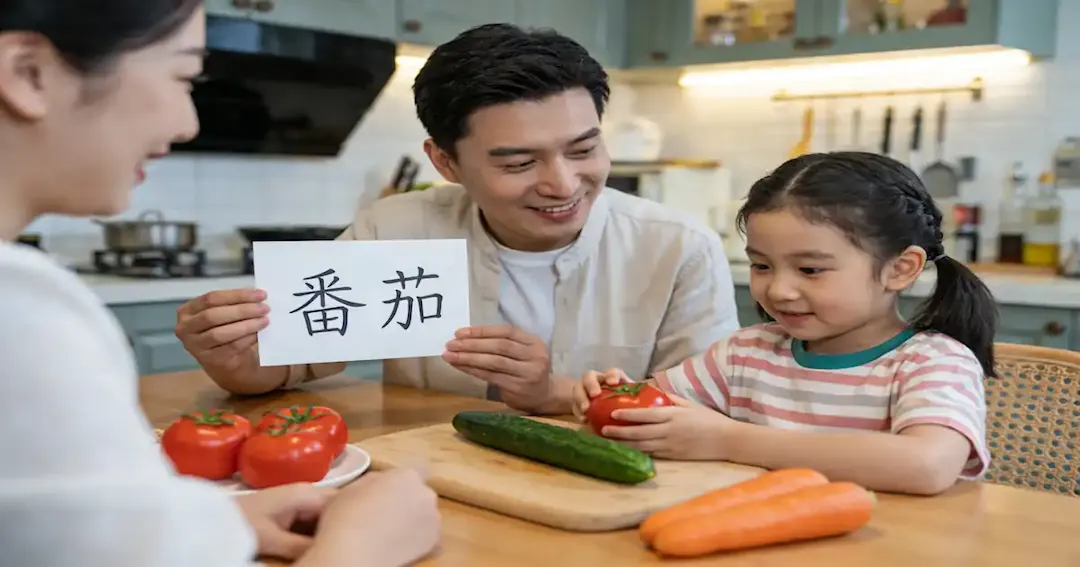
Create a deck of flashcards with Chinese characters on one set and pictures or English meanings on another. Mix them up and play a memory match game. Kids can flip over two cards at a time to try to find matching pairs. For example, the card with the character 火 (huǒ – fire) would have a picture of a flame on it.
Why it works: This reinforces visual recognition of characters and helps connect symbols with their meanings in a game-based format.
Build-a-Character Puzzles
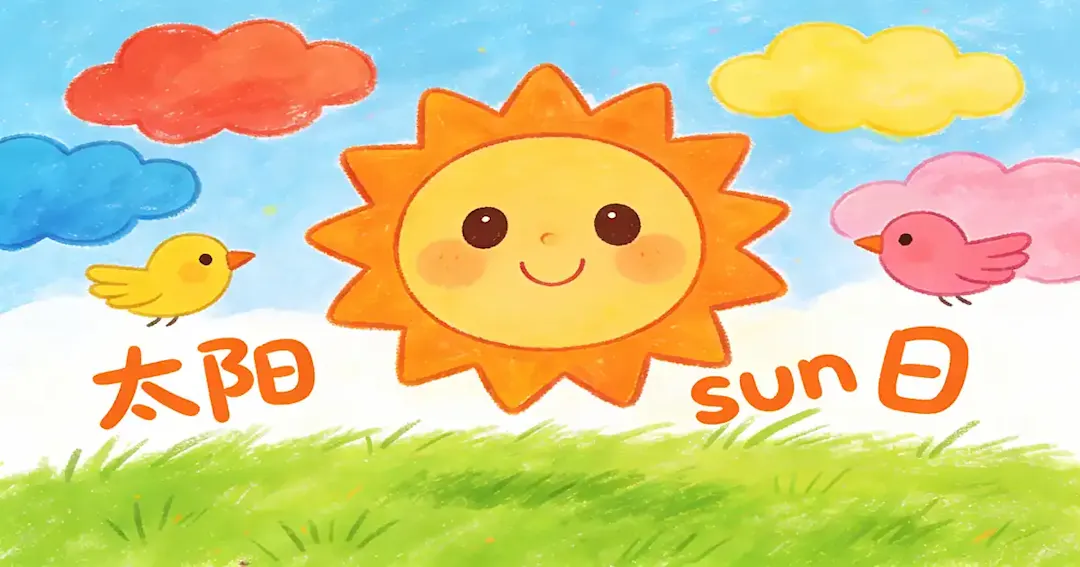
Many Chinese characters are made up of smaller parts or radicals (部首 – bùshǒu). Create puzzle pieces that represent individual strokes or components, then let kids build a complete character by fitting them together. For example, the character 明 (míng – bright) is made of 日 (rì – sun) and 月 (yuè – moon). Kids would use the puzzle pieces to build the full character.
Why it works: Understanding how characters are constructed demystifies them and allows kids to learn patterns rather than memorize each character.
Character of the Day Board
Introduce one new character each day and display it on a whiteboard or poster along with its pinyin, meaning, stroke order, and a sentence using the word. Use the character in conversation throughout the day and encourage kids to spot it in books or signs.
Why it works: Repetition and exposure over time are key to mastery. The daily focus gives kids a manageable goal and encourages active engagement with each new word.
Chinese Character Hopscotch
Use chalk to draw a hopscotch grid on the ground, but instead of numbers, write Chinese characters. Each time a child hops, they say the character out loud. Add variety by asking them to say the meaning or use it in a sentence.
Why it works: Physical movement improves cognitive function and makes abstract symbols more concrete for young learners.
Story Time with Characters
Many characters have visual origins that tell a story. Share etymological tales or myths about characters to help kids remember them. For instance, the character 人 (rén – person) looks like a person walking, and 木 (mù – tree) resembles a tree with branches and roots.
Why it works: Stories provide context and emotional connection, which makes characters more memorable and interesting to children.
Character Art and Calligraphy
Introduce kids to the beauty of Chinese calligraphy. Use brush pens or even paintbrushes and water on rice paper. Focus on a few characters and show them how to paint each stroke slowly and mindfully.
Why it works: Practicing calligraphy helps build fine motor skills and fosters a deeper appreciation for the artistic side of the language.
Chinese Character Bingo
Create bingo cards with Chinese characters and call them out using their pinyin or meaning. The first child to complete a line wins a prize. You can theme the cards around topics like animals, numbers, or body parts.
Why it works: Bingo is a fun, fast-paced way to reinforce character recognition and can be played in small or large groups.
Character Sorting Games
Provide a mix of character cards and challenge kids to sort them into categories, such as:
By radical (e.g., water radicals: 河, 海, 游)
By topic (e.g., food: 饭, 水, 面)
By number of strokes
Why it works: This activity develops critical thinking and helps kids recognize patterns, which is essential for learning to read and write in Chinese.
Singing and Movement Songs
Many children's songs in Mandarin incorporate simple vocabulary and characters. Add hand motions or dance moves to help reinforce the meaning of each word. A good example is the classic song "两只老虎 (Liǎng zhī lǎohǔ – Two Tigers)," which is easy to act out and sing along with.
Why it works: Music and rhythm enhance language acquisition, especially for younger kids. The combination of auditory and physical elements helps cement understanding.
Use Apps and Online Games
Many child-friendly apps and websites are designed to teach Chinese characters through interactive games. Look for ones with visuals, stroke order animations, and simple quizzes.
Why it works: Digital tools are great for independent practice and can help reinforce what's learned in class or at home.
Looking for an online Chinese class for your kids to learn Mandarin and Chinese culture? LingoAce is one of the best ways for kids to learn Chinese online. Each one-on-one lesson is the product of nearly 200 hours of curriculum development, teacher training, and quality control. LingoAce classes are tailored to meet your child's learning needs.
Experience a redefined Chinese learning experience and book a free trial class with us today.