In today's era of globalization, overseas Chinese families are keenly interested in their bilingual babies learning Chinese. This article will provide you with ten top tips to make it easier for mixed-race babies abroad to learn Chinese while maintaining a deep connection to their familial culture.
We live in a diverse and blended world. Language serves as a bridge to culture and acts as a window to understanding different cultures. For overseas Chinese families and mixed-race babies, learning Chinese is not just a skill but a way of honoring and perpetuating traditional culture. As Confucius said, "Learning without thinking is useless; thinking without learning is dangerous." Let’s explore together how to make it easy and enjoyable for babies to learn Chinese in a bilingual environment.
Tip 1: Consistent Early Exposure Builds Language Foundations
Early education is crucial for a baby's Chinese language learning. Creating a consistent bilingual environment at home, where Chinese naturally integrates into daily life, is key to a baby's early language acquisition.
Interactive Tip: Greet your baby in Chinese in the mornings, creating an immersive language experience.
Tip 2: Parental Roles in Multilingual Integration
Using the "One Parent, One Language (OPOL)" method, family members communicate with the baby in their respective native languages. This approach not only serves as an educational method but also contributes to the inheritance of family culture.
Interactive Tip: Have parents separately tell the same story in Chinese and English in different scenarios, allowing the baby to immerse in the fun of multilingualism.

Tip 3: Creating Multilingual Environments Expands Language Awareness
During multilingual gatherings or community activities, parents or family members engage in games, crafts, or sharing anecdotes from their respective languages with the baby. Such interactions expose the baby to the liveliness of languages, facilitating a more natural contact with different languages and faster adaptation and learning.
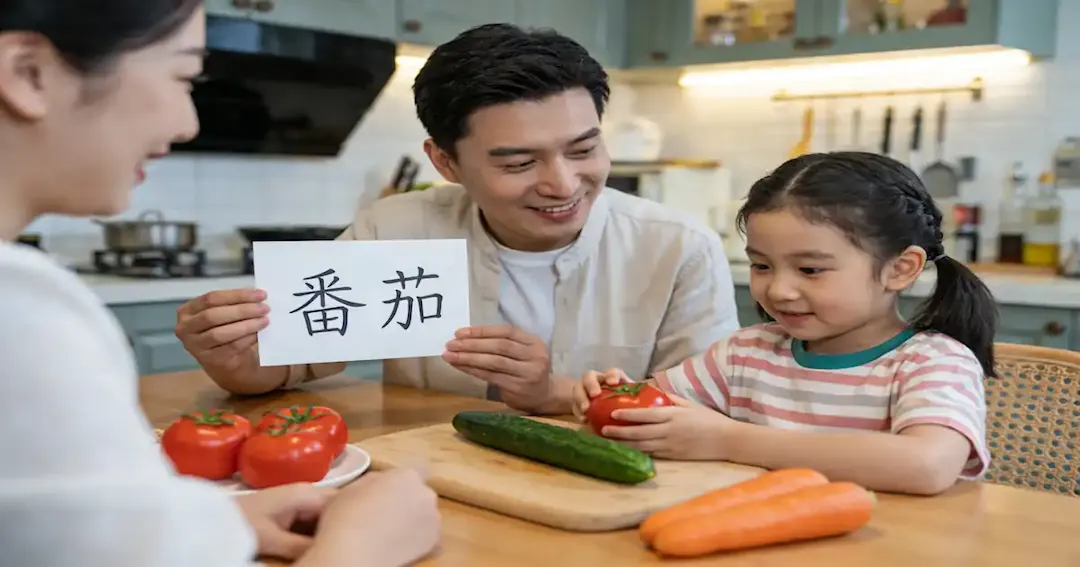
Interactive Tip: Involve the baby in making multilingual greeting cards or small gifts, adding fun to everyday life.
Tip 4: Multilingual Reading Cultivates a Love for Literacy
Parents can explore inspiring Chinese and English fairy tales or books about Chinese traditional culture from libraries or online resources. This approach allows the baby to appreciate different cultures in a relaxed atmosphere and fosters an interest in Chinese reading.
Interactive Tip: Create a family reading corner with multilingual books, stimulating the baby's interest in reading.

Tip 5: Multilingual Social Interactions Broaden Language Perspectives
Provide opportunities for the baby to interact with native speakers of the language, enabling them to experience different accents and the charm of diverse languages in real social settings. Such interactions enhance the baby's comprehensive understanding and application of Chinese while strengthening their multilingual communication skills.
Interactive Scene: Organize small gatherings inviting friends or family members who speak different languages for diverse communication opportunities.
Tip 6: Creating an Engaging Language Learning Environment
Offer engaging activities and games to spark the baby's interest in learning.
Interactive Tip: Use Chinese songs or stories for role-playing, encouraging active participation and increasing interaction and enjoyment. Create a fun learning environment to make learning Chinese a pleasurable experience.

Tip 7: Multimodal Chinese Learning Expands Sensory Experiences
Combine multimedia resources to allow the baby to interact with and learn Chinese through listening, watching, speaking, and more.
Suggestion for Interaction: Use age-appropriate Chinese educational apps or interactive games on electronic devices for the baby's Chinese learning. Parents can participate together, creating a diverse sensory learning experience.
Tip 8: Patient Guidance Fosters a Positive Learning Attitude
During the baby's Chinese learning journey, patiently guide and actively encourage their learning achievements.
Guidance Tip: Provide timely Chinese learning resources to help the baby understand and master Chinese. Simultaneously, offer encouragement and recognition to inspire the baby's positive attitude towards learning Chinese.
Tip 9: Multicultural Environments Expand the Chinese World
In diverse cultural learning environments, allow the baby to deeply perceive the beauty of the culture carried by the Chinese language.
Experiential Interaction: Share meaningful traditional Chinese stories, taste delicious traditional Chinese cuisine, and create handmade Chinese traditional crafts. Through immersive experiences, let the baby gain a more comprehensive understanding of Chinese and its culture.
Tip 10: Milestone Acknowledgments Support Chinese Progress
Every small step of progress in Chinese is a milestone on the baby's learning journey. We should encourage and praise every effort made, whether it's improvement in pronunciation or a breakthrough in understanding stories. These incremental improvements not only motivate their learning but also enhance their confidence and optimistic attitude towards learning Chinese.
Hopefully, these tips can help your baby learn Chinese more happily and easily in a bilingual environment. Let's join hands to create a joyful and enriching language learning experience for them, exploring the infinite charm of Chinese culture together!
At LingoAce, each course is the result of our team's over a hundred hours of course design, textbook production, simulated teaching, teacher training, and quality control. We invite you and your child to participate in a free trial class and experience LingoAce's extraordinary Chinese learning experience firsthand!