
From a festive meal to fun games, make Thanksgiving an opportunity for language learning for your children
Thanksgiving is traditionally a time to gather with family and friends, share meals, and express gratitude for the blessings in life. While this holiday is a very American and Canadian tradition, it also offers a unique opportunity for parents raising bilingual children or teaching Chinese as a heritage language.
As a holiday, Thanksgiving is an opportunity to teach children about important values such as gratitude, kindness, and togetherness. Parents can intentionally weave Chinese language practice into everyday activities, from mealtime conversations and storytelling to arts, crafts, and songs.
By doing so, children can expand their vocabulary, learn culturally relevant expressions, and build a deeper appreciation for family traditions. Whether you're introducing your child to basic Chinese words for "thank you" or sharing bilingual stories about gratitude, this holiday provides countless opportunities for playful and purposeful learning. Here are 11 ways parents can celebrate Happy Thanksgiving with family and friends while incorporating Chinese language and culture.

Try one of these ideas this year and make the holiday both fun and educational for your children.
1. Teach Gratitude Phrases in Chinese
Benefit: Reinforces polite expressions and cultural appreciation.
Example: Introduce simple phrases like “谢谢” (xièxiè – thank you) or “我很感恩” (wǒ hěn gǎn’ēn – I am grateful). Encourage children to say these before meals, when receiving gifts, or during family games. For added fun, have each child write down one thing they are grateful for in Chinese and share it aloud at the dinner table.
2. Label Foods in Chinese
Benefit: Expands vocabulary in a practical, engaging way.
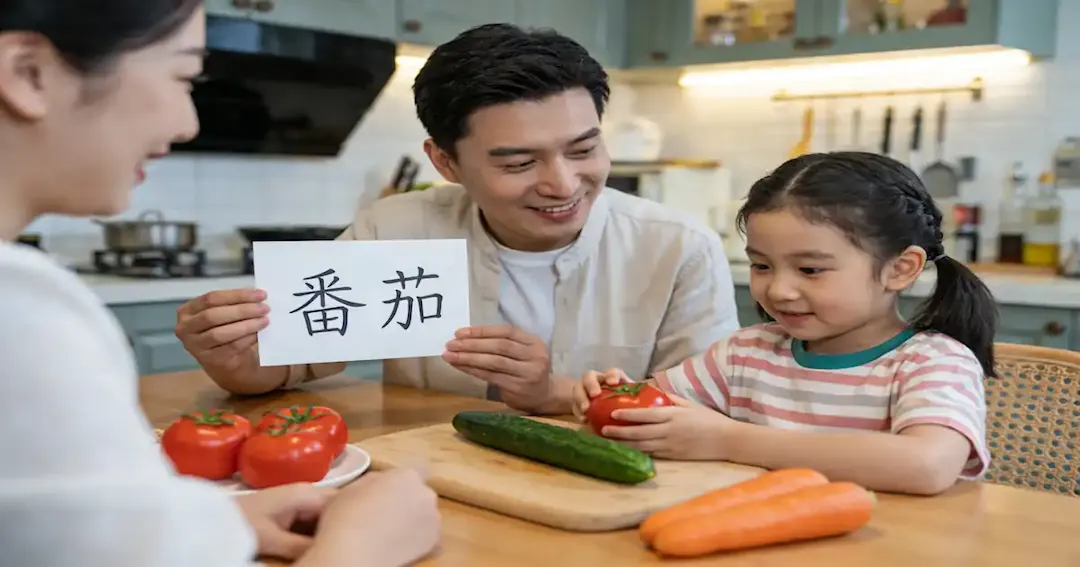
Example: Use small cards to label traditional Thanksgiving dishes like "火鸡" (huǒjī – turkey), "南瓜派" (nánguā pài – pumpkin pie), "红薯" (hóngshǔ – sweet potato), or "蔓越莓酱" (mànyuèméi jiàng – cranberry sauce). Kids can read the labels aloud before eating, or you can make a game of matching the Chinese names to the dishes.
3. Play Thanksgiving-Themed Chinese Word Games
Benefit: Makes learning an interactive and enjoyable experience.
Example: Create bingo, matching, or scavenger hunt games using Chinese vocabulary for Thanksgiving items, such as "蜡烛" (làzhú – candle) or "南瓜" (nánguā – pumpkin). Offer small rewards for correct answers, keeping children engaged while reinforcing their language skills.
4. Read Bilingual Books About Gratitude and Family
Benefit: Strengthens reading skills and cultural understanding.
Example: Choose stories in English and Chinese that focus on thankfulness and family, such as I Am Grateful / 我很感恩. Reading aloud together before dinner can spark conversation, and older children can practice reading passages themselves. Ask questions in Chinese, such as "你最感恩什么?" (What are you most grateful for?) to encourage discussion.
5. Make Thanksgiving Crafts with Chinese Labels
Benefit: Combines creativity with language practice.
Example: Kids can make turkeys, autumn leaves, or table placemats. Encourage them to write the Chinese words for "family" (家, jiā), "thankful" (感恩, gǎn’ēn), or "friends" (朋友, péngyǒu) on their crafts. Display the finished items around the house as festive decorations that visually reinforce vocabulary.

6. Set a Gratitude Table Ritual
Benefit: Encourages mindfulness and language practice at mealtime.
Example: Before starting the Thanksgiving meal, ask each family member to share one thing they are grateful for in Chinese. Younger children can use a single word, such as "家" (meaning "family"), while older kids can form short sentences. This creates a meaningful tradition and helps reinforce Chinese expressions of gratitude.
7. Make Thanksgiving Cards for Friends or Relatives
Benefit: Combines creativity, writing, and gratitude.
Example: Have children create homemade Thanksgiving cards and write messages in Chinese. Phrases like "祝你感恩节快乐" (Zhù nǐ gǎn’ēnjié kuàilè – Wishing you a Happy Thanksgiving) teach holiday-specific vocabulary while encouraging thoughtful gestures toward others.
8. Bake or Decorate Traditional Treats While Using Chinese Vocabulary
Benefit: Hands-on activities make language learning tangible.
Example: While baking pumpkin pie, sweet potato casserole, or cookies, teach kids words for ingredients and utensils, such as "南瓜" (pumpkin), "面粉" (flour), or "搅拌碗" (mixing bowl). Let children call out words as they measure and mix ingredients, turning cooking into an interactive language lesson.
9. Create a Thanksgiving Gratitude Jar in Chinese
Benefit: Encourages reflection, writing practice, and family participation.
Example: Place a jar or container on the table and provide small slips of paper. Ask each family member to write down one thing they are thankful for in Chinese, such as "家人" (jiārén – family) or "朋友" (péngyǒu – friends). After the meal, read the notes aloud together, celebrating everyone's contributions. This activity combines language practice with mindfulness, creating a keepsake to look back on each year.
10. Share Family Stories in Chinese
Benefit: Strengthens storytelling skills and cultural connection.
Example: Encourage children to ask grandparents or relatives about past Thanksgivings and help them share the story in Chinese using key words like "家族" (jiāzú – family) or "传统" (chuántǒng – tradition). Older children can illustrate the stories or write them down in Chinese, combining creativity with language practice to enhance their understanding.
11. Play "Thankful Charades" in Chinese
Benefit: Combines movement, language, and fun.
Example: Write simple Thanksgiving-related words or phrases in Chinese on cards, such as "火鸡" (turkey), "南瓜派" (pumpkin pie), or "感恩" (thankful). Players act out the words while others attempt to guess them in Chinese. This keeps kids active while interactively reinforcing vocabulary.
12. Play a Thanksgiving Memory Game in Chinese
Benefit: Strengthens vocabulary, memory, and family interaction.
Example: Create a set of cards with Thanksgiving-themed words or pictures in Chinese, such as "火鸡" (turkey), "南瓜派" (pumpkin pie), "玉米" (corn), and "感恩" (thankful). Place the cards face down and take turns flipping two at a time to find matches. As children find pairs, have them say the word aloud in Chinese.
This turns language practice into a fun, competitive game that the whole family can enjoy.
Key Takeaways: Making Thanksgiving a Chinese Learning Opportunity
By intentionally incorporating Chinese vocabulary and traditions into Thanksgiving celebrations, parents can make the holiday both a joyful and educational experience.
Children gain meaningful exposure to the language while participating in activities that emphasize gratitude, family, and togetherness. The key is to select activities that suit your children's age and interests, making learning a natural, fun, and memorable experience.
For young children (ages 3–7), simple, hands-on activities like crafts, songs, and labeled foods help make language learning a playful experience. Creating paper turkeys or decorating placemats with Chinese words, singing short gratitude songs in Chinese, or reading picture books with bilingual text allows younger children to associate fun activities with vocabulary practice. These experiences help children internalize words and phrases while keeping them engaged during the holiday festivities.
For older kids (ages 8–12): More reflective and interactive activities, such as gratitude journaling, bilingual story reading, and word games, encourage older children to practice writing, reading, and speaking in Chinese. These activities foster a deeper understanding of language while also reinforcing the holiday's emphasis on gratitude and thankfulness. Children can write sentences about what they are grateful for, participate in Chinese word bingo, or discuss family stories using new vocabulary, making Thanksgiving a rich and immersive learning experience.
For the whole family: Collaborative activities, such as sharing phrases at the dinner table, telling stories in Chinese, or playing family games, help bring everyone together. These practices not only strengthen family bonds but also reinforce language skills across generations. By incorporating Chinese into familiar Thanksgiving traditions, families can celebrate gratitude while promoting bilingualism and cultural appreciation.

This Thanksgiving, take the opportunity to celebrate gratitude, family, and togetherness while giving your children a chance to engage with the Chinese language in meaningful ways.
Whether it's through crafts, songs, storytelling, or simple mealtime phrases, incorporating Chinese into your holiday traditions allows kids to practice vocabulary and expressions in a natural, fun, and interactive environment.
By weaving language learning into moments of joy and connection, parents can create a warm, family-centered celebration that nurtures both cultural understanding and bilingual skills. Make this Thanksgiving memorable by combining celebration, learning, and heartfelt moments with the loved ones you cherish.

Looking for an online Chinese class for your kids to learn Mandarin and Chinese culture? LingoAce is one of the best ways for kids to learn Chinese online. Each one-on-one lesson is the product of nearly 200 hours of curriculum development, teacher training, and quality control. LingoAce classes are tailored to meet your child's learning needs.
Experience a redefined Chinese learning experience and book a free trial class with us today.