Most parents aren’t lacking motivation. They’re lacking _bandwidth_. And kids can smell “big lifestyle overhaul” from a mile away.
This list is built around small, low-drama routines that stack into better energy, mood, and focus—without turning you into the household police. And because you said “Chinese course,” I’ll also add a few “micro Chinese moments” that fit into normal life. When routines get easier at home, language routines get easier too. Funny how that works.
Tiny changes that work in the morning
Mornings are the “weakest link” in most households. So we aim for changes that take under 60 seconds, and reduce friction instead of adding lectures.
1) Water-first sip
Put a small cup or bottle where your kid wakes up. One sip counts. Why it matters: dehydration shows up as crankiness and “I’m tired” even after sleep. Example: if your child refuses breakfast, water-first still helps the morning start softer.
2) Sunlight at the window
Open curtains or stand by the door for a moment. Why it matters: it helps set the body clock, which supports sleep later. Example: this is oddly good for kids who take forever to “fully wake up.”
3) One home base for shoes/coat/backpack
Pick one spot. Not three. Why it matters: less morning chaos = fewer power struggles before school even starts. Example: label bins with pictures for younger kids. Older kids? One hook and one rule.
4) 30-second stretch tied to “shoes on”
No special yoga mat. Just reach up, touch toes, roll shoulders. Why it matters: a calm body often creates a calmer brain. Example: if your kid hates stretching, call it “robot reset.” It’s the same thing.
5) Backpack check card
Keys? Water bottle? Homework folder? Why it matters: fewer “forgot it” emergencies means fewer stressful mornings. Example: keep the card on the door at kid-eye level.
6) Protein add-on at breakfast
Don’t rebuild breakfast. Add one protein: egg, yogurt, nut butter, cheese. Why it matters: steadier energy and fewer mid-morning crashes. Example: even a few bites help kids who say they “can’t eat early.”

Tiny changes at the table (food + hydration without battles)
This is where parents get stuck: “I know what we should do… but my kid won’t.” So the goal is tiny improvements that don’t start wars.
7) One “rainbow bite” a day
Not a whole salad. One colorful bite. Why it matters: variety over time beats perfection in one meal. Example: choose one color per day and let your child “collect” it like a game.
8) Water bottle rule: two parking spots
One spot by the door. One in the kitchen. Why it matters: kids drink what’s visible and easy. Example: if it’s always missing, buy a second bottle. This is not a moral issue.
9) Fruit-first snack bridge
Fruit (or veggie) first, then the snack they wanted. Why it matters: reduces sugar spikes and helps appetite regulation. Example: keep a washed fruit bowl at the front of the fridge.
10) Ten-minute family meal
This doesn’t need to be a perfect sit-down dinner. Why it matters: a small daily connection point can lower stress behaviors later. “We’ll sit for 10 minutes, then you’re free.” Short is still real.
11) The “tiny taste” rule for new foods
One tiny taste, no pressure to finish. Why it matters: pressure increases picky eating. Repeated exposure works better. Example: your child can “spit napkin” politely if they truly hate it. I know… not elegant. But it prevents drama.
12) After-school wash hands + shoes off
A simple reset routine when they walk in. Why it matters: helps kids shift out of school mode, reduces household mess. Example: it also creates a predictable moment to check: hungry? tired? overstimulated?
If you want the “micro Chinese” add-ons above to become consistent, consider using a structured program that doesn’t depend on you inventing activities every night. One reason parents choose LingoAce is that the lessons are guided by trained teachers and built in small steps.If you’d like a ready-to-follow Chinese routine that fits into busy family life, you can try a LingoAce trial class and see whether the pacing and teaching style work for your child.

Tiny changes for the mind (stress, emotions, confidence)
Kids don’t become “emotionally resilient” from one deep talk. It’s built in small moments.
19) Name one feeling a day
You can use a chart, a book character, a movie scene. Why it matters: naming emotions helps kids regulate them. Example: “It looks like frustrated.” Then stop talking.
20) Parent 60-second connection
One minute of full attention: eye contact, touch on shoulder, one question. Why it matters: connection reduces attention-seeking behaviors later. Example: do this right before homework time. It changes the tone.
21) Visible screen timer
Use a kitchen timer or on-screen countdown. Why it matters: surprise endings trigger fights. Predictable endings reduce fights. Example: “Two minutes left—pick your last thing.” Then hold the line.
22) “Tomorrow plan” sentence at night
One sentence: “Tomorrow you’ll… and then we’ll…” Why it matters: helps anxious kids settle. Example: keep it boring. Boring is calming.
Tiny changes for sleep
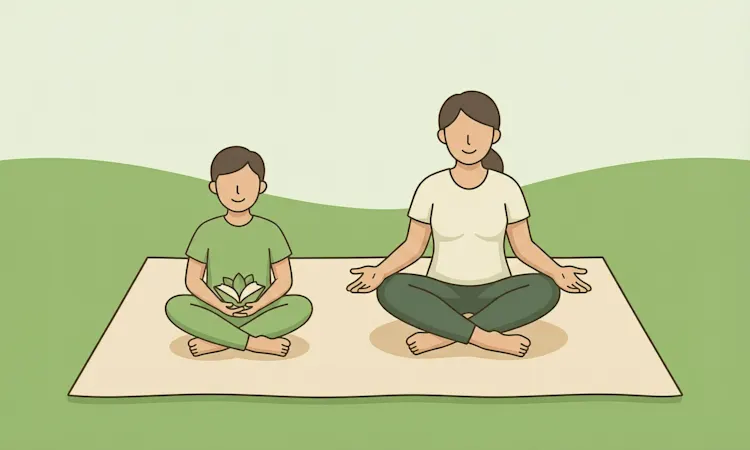
Sleep is where many families get stuck: you try to fix bedtime, but life happens. Still—small improvements here are high-leverage.
23) Dim lights 20 minutes before bed
One lamp. Softer light. Why it matters: signals “slow down” without yelling “go to sleep.” Example: do it for the whole house if possible. Kids notice hypocrisy.
24) Same three-step bedtime order
Example: bath → brush → story. Keep it predictable. Why it matters: predictability lowers bedtime negotiation. Example: put a simple picture chart on the wall. Older kids still like visual cues.
25) Screens off 60 minutes pre-bed
Start with 20 minutes if 60 feels impossible. Why it matters: it supports falling asleep faster and staying asleep. Example: create a charging station outside bedrooms—less temptation.
26) Three-minute story
This can be a tiny story, a poem, or a “tell me about your day” mini version. Why it matters: it builds connection and helps kids downshift. Example: micro Chinese idea: one line in Chinese, then English. That’s it.
27) Toothbrush “two songs”
Two short songs = about two minutes. Why it matters: makes the time feel measurable for kids. Example: rotate songs weekly so it doesn’t get stale.
FAQ
1) What are the best healthy habits for kids who resist routines?
Start with one habit that reduces conflict and one habit that improves energy. If routines feel like punishment, kids push back harder—so tie changes to predictable cues.
2) How do I handle screen time limits without daily fights?
Use two tools together: a visible timer and a replacement list. Kids handle “ending” better when they can see it coming, and “no” works better when something else is ready to do immediately.
3) Do small routines really help kids focus at school?
Often, yes—because focus is built on basics: sleep, steady energy, and emotional regulation. The win isn’t that your child becomes a different person. It’s that the day has fewer “crash points.”
4) Can these routines support language learning like Chinese at home?
Absolutely. When transitions are calmer, it’s easier to add a three-minute story or a fixed phrase. Tiny language moments work best when they’re attached to routines that already exist.
5) What if my child is already overloaded with activities?
Then these tiny changes matter even more. Pick the ones that reduce load: fewer morning scrambles, smoother bedtime, and less screen conflict. A calmer schedule usually creates space for everything else.
Conclusion
If you take nothing else: pick three tiny changes, tie them to a cue, and keep them for a week. Kids don’t need perfect parents. They need predictable rhythms.And if you want the “micro Chinese” moments to become a real routine—without you having to plan every step—book a LingoAce trial class and treat it like another small, consistent habit in the week.