
If you're a parent, you've probably heard that Mandarin Chinese is one of the most valuable languages for kids to learn. With over a billion speakers worldwide and growing importance in business, culture, and travel, many families are eager to give their children a head start.

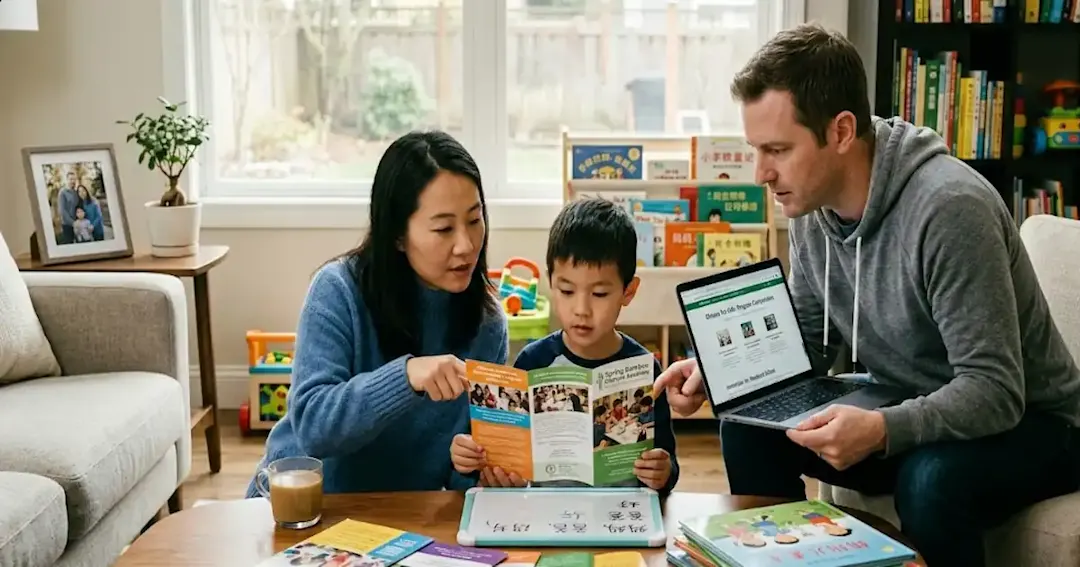
The big question that these parents face is: How do they teach their kids how to learn Mandarin? The answer looks different depending on your background. Heritage-speaking parents can provide their children with a stronger foundation for listening and speaking, but often lack the teaching skills to help them advance beyond an elementary school level in reading and writing. Meanwhile, parents of children with little to no background in Mandarin struggle with how to get started. This is especially true if there are no dual-language programs at their local schools.
The good news: young children are natural language learners. With the right approach, Mandarin doesn't have to feel intimidating—it can be fun, engaging, and even part of your everyday family routine. Here's a step-by-step guide on how to get started.
Step 1: Start With Listening and Speaking
For Heritage Learners: Chances are, you already know some spoken Mandarin or family phrases. Use that! Even if you're not confident, sprinkle daily words into family routines. Greet your child with 你好 (nǐ hǎo, hello), thank them with 谢谢 (xiè xie, thank you), or call them 宝贝 (bǎo bèi, darling).
Your strength: authentic pronunciation, even if limited. Don't worry about grammar—just model natural sounds.
For Non-Heritage Learners: If Mandarin is brand new, start by learning alongside your child. Use songs, kids' shows, and apps that introduce tones. Kids love repetition, so begin with fun basics like counting 一二三 (yī èr sān, one two three) or saying 再见 (zàijiàn, goodbye).
Your strength: building a "learning together" mindset. Your child sees you trying, and that motivates them, too.
Step 2: Use Pinyin as a Tool
Pinyin (拼音 pīnyīn) helps bridge sounds to Roman letters.
Heritage Learners: Parents may not have formally learned pinyin, so review it now. It's a powerful way to help kids read aloud and accurately pronounce tones.
Non-Heritage Learners: Learn pinyin together with your child—it's your roadmap to speaking Mandarin even if you don't know the characters yet.
Example: The word for school, 学校 (xuéxiào), looks intimidating in characters, but once you see "xuéxiào," you can confidently say it.
Step 3: Bring in Chinese Characters Slowly
Characters (汉字 Hànzì) are the biggest hurdle for many families. The approach is different for heritage vs. non-heritage households:
Heritage Learners: You may recognize some characters (like 人 rén, person, or 大 dà, big). Start with those familiar ones, then expand with your child.
Non-Heritage Learners: Focus on recognition before writing. Use picture books, flashcards, or apps where kids match characters to images (like 水 shuǐ = water).
Don't rush—confidence comes from recognition first.
Step 4: Make Mandarin a Daily Habit
Heritage Learners: Your advantage is cultural integration. Use family meals, traditions, or phone calls with grandparents as language moments. Encourage kids to say 请 (qǐng, please) when asking for food or describe a dish like 米饭 (mǐfàn, rice). Non-Heritage Learners: Since you don't have Mandarin at home naturally, create mini-routines. Consistency matters more than volume.
Count steps in Mandarin as you climb stairs.
Label objects with sticky notes (桌子 zhuōzi, table; 椅子 yǐzi, chair).
Do a "Mandarin minute" each day with a new word.
Step 5: Use Technology Wisely
Parents today have incredible resources for teaching Mandarin. Just remember that screen time should be balanced with real-world practice.
Apps for Kids: Platforms like Duolingo and Chineasy make learning an interactive experience.
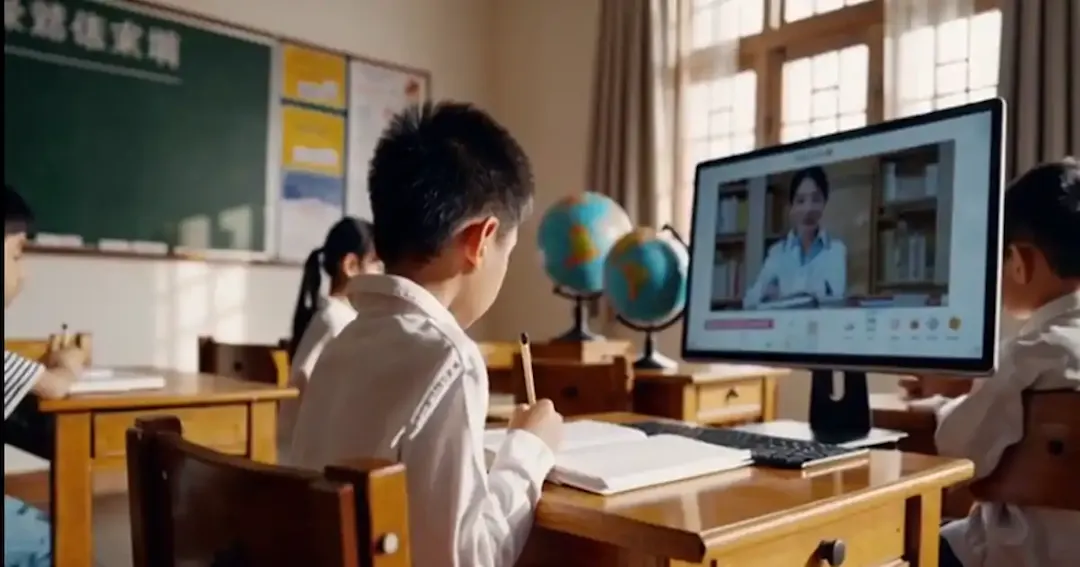
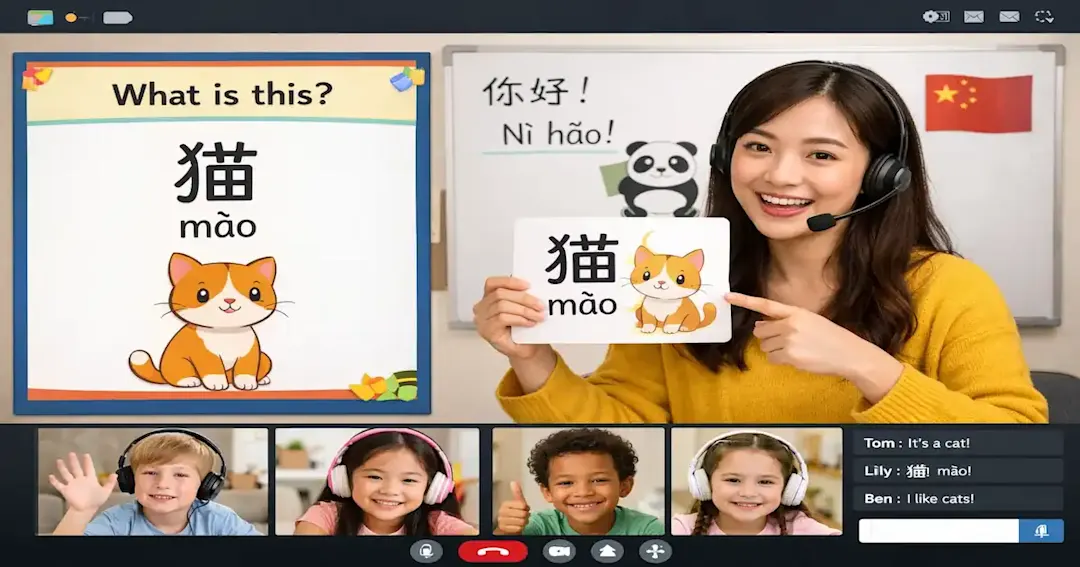
Online Tutors: Families can find professional Chinese language teachers through LingoAce to teach their children privately in an online classroom, increasing their exposure to the language and providing a real opportunity to practice speaking and listening.
Videos & Cartoons: Shows like 《小猪佩奇》 (Xiǎo Zhū Pèiqí, Peppa Pig in Chinese) are a fun way to hear natural Mandarin.
Bilingual Books: Interactive books with Reading Wands, like the Habbi Habbi collection of bilingual books and toys, make reading less intimidating.
Step 6: Connect with Chinese Culture Language learning goes deeper when kids understand culture.
Food Adventures: Cook dumplings (饺子 jiǎozi) or noodles (面条 miàntiáo) together and learn the words while eating.
Holidays: Celebrate Lunar New Year (春节 Chūnjié) with red envelopes (红包 hóngbāo) and lantern crafts.
Community Events: Look for dragon boat festivals or Chinese school events near you.
These experiences make Mandarin meaningful and memorable.
Step 7: Support Through Community
Both groups benefit from peer interaction—kids learn faster with other kids.
Heritage Learners: Tap into your network—grandparents, relatives, or community centers where your child can hear authentic Mandarin.
Non-Heritage Learners: Look for local Chinese schools, library story times, or online tutors to fill the gap.
When parents ask "how to learn Mandarin," the honest answer is: together. With patience, daily exposure, and fun cultural connections, your child can grow up bilingual. Whether you're labeling household objects, cooking Chinese food, or singing silly songs, every small step brings your child closer to fluency.
The best part? You don't just give your kids language skills—you give them a lifelong connection to one of the world's richest cultures.
FAQ on How to Learn Mandarin
Do I need to speak Mandarin myself?
No! With bilingual books, apps, and tutors, even parents who don't know Chinese can guide their kids.
When should my child start?
The earlier, the better—young kids pick up tones easily. But it's never too late.
Do heritage kids learn faster than non-heritage kids?
Not always. Heritage kids may pick up tones faster, but both groups succeed with consistent exposure.
Can non-heritage parents really raise bilingual kids?
Yes! With today's resources, even parents who don't speak Mandarin can support their children's learning.
What if I make mistakes as a heritage parent?
That's okay. Focus on communication and exposure. Kids will refine their accuracy with practice and the help of their teachers.
Looking for an online Chinese class for your kids to learn Mandarin and Chinese culture? LingoAce is one of the best ways for kids to learn Chinese online. Each one-on-one lesson is the product of nearly 200 hours of curriculum development, teacher training, and quality control. LingoAce classes are tailored to meet your child's learning needs.
Experience a redefined Chinese learning experience and book a free trial class with us today.