Summer is a season full of energy, warmth, and vibrant life. In Chinese culture, summer is closely associated with yang energy (阳气 yángqì)—a concept from traditional Chinese medicine that represents brightness, heat, growth, and movement. It's a time when cities come alive with outdoor activities. People gather in parks to practice tai chi, children run through water fountains, and night markets bustle with snacks and games. A typical summer day might include lounging with a slice of watermelon (西瓜, xī guā), enjoying a sweet mung bean soup (绿豆汤, lǜ dòu tāng) in the afternoon, or heading to the seaside (海边, hǎi biān) for a weekend escape.
Whether you're learning Chinese for travel, cultural understanding, or everyday conversation, learning how to discuss summer can add depth and richness to your vocabulary.
How to say "summer" in Chinese
To begin with, the standard way to say "summer" in Chinese is 夏天 (xiàtiān). The word breaks down into 夏 (xià) meaning "summer," and 天 (tiān) meaning "sky" or "day." Together, 夏天 refers to the summer season, and it's a word you'll hear often in both casual and formal contexts. For example, you might say, 我最喜欢夏天 (Wǒ zuì xǐhuan xiàtiān), meaning "I like summer the most," or 夏天很热 (Xiàtiān hěn rè), meaning "Summer is hot."
How to talk about summer in Chinese
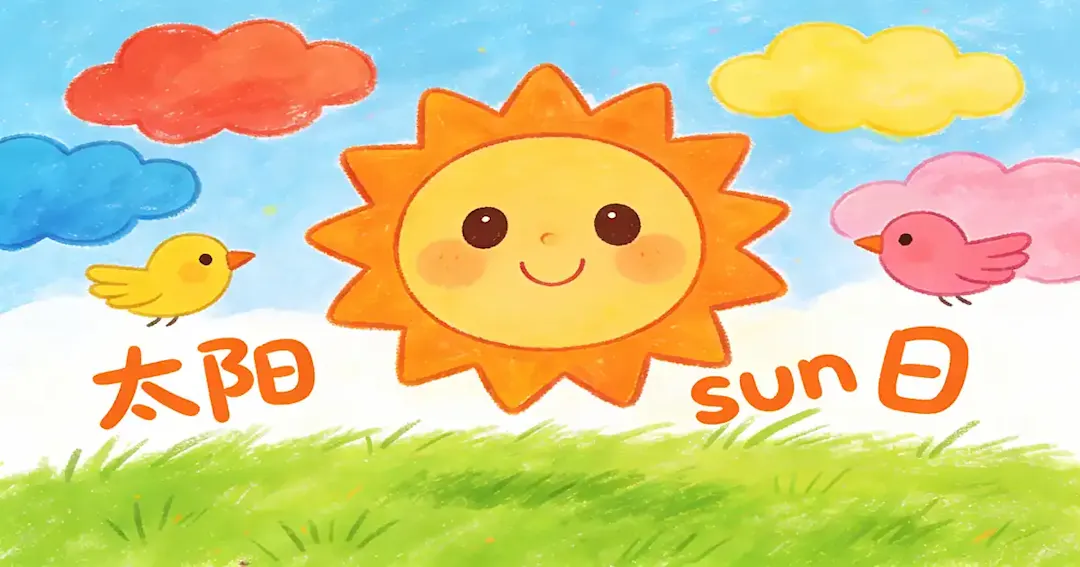
As the temperature rises, the vocabulary naturally shifts toward topics such as the sun, heat, and cooling off. Some key nouns you'll hear include 太阳 (tài yáng) for "sun," 阳光 (yáng guāng) for "sunlight," and 高温 (gāo wēn) for "high temperature." When extreme weather hits, you might hear 热浪 (rè làng), which means "heatwave." These words are commonly used in news reports and everyday conversation, particularly when discussing the weather or planning summer activities.
Summer in China is also a time for travel and relaxation. People often head to the 沙滩 (shā tān), or beach, or spend time by the 海边 (hǎi biān), the seaside. 假期 (jià qī), meaning "vacation," is something both students and adults look forward to, and 旅游 (lǚ yóu), or "travel," becomes a popular activity. Summer is also synonymous with food. Seasonal treats like 西瓜 (xī guā)—watermelon—and 冰淇淋 (bīng qí lín)—ice cream—are staples, and 冷饮 (lěng yǐn), or "cold drinks," become a daily necessity to stay cool. In traditional Chinese culture, foods like 绿豆汤 (lǜ dòu tāng), a sweet mung bean soup, are consumed to 清热解暑 (qīng rè jiě shǔ)—"clear heat and relieve summer heat."
Naturally, summer changes the way people dress. You'll often hear words like 短袖 (duǎn xiù) for "short sleeves" and 短裤 (duǎn kù) for "shorts." Accessories like 太阳镜 (tài yáng jìng)—sunglasses—and 帽子 (mào zi)—hats—become part of the daily wardrobe.
Chinese expressions related to summertime
In addition to nouns, there are many useful phrases and expressions that native Chinese speakers use to talk about summer. Here are a few:
Talking About the Weather
今天好热啊!
Jīntiān hǎo rè a!
"It's so hot today!"
热得受不了。
Rè de shòu bù liǎo.
"It's unbearably hot."
流汗了!
Liú hàn le!
"I'm sweating!"
Talking About Summer Activities
夏天适合去海边玩。
Xiàtiān shìhé qù hǎibiān wán.
"Summer is perfect for going to the beach."
我们打算去旅行。
Wǒmen dǎsuàn qù lǚxíng.
"We plan to travel."
夏天就是要吃冰淇淋!
Xiàtiān jiùshì yào chī bīngqílín!
"Summer is all about eating ice cream!"
Chinese also has several fun and vivid idioms to describe summer's heat. One poetic phrase is 夏日炎炎 (xià rì yán yán), which translates to "blazing summer days." Another commonly used expression is 暑气逼人 (shǔ qì bī rén), which means "the heat is overwhelming." These idioms are often used in literature, TV dialogue, or expressive conversation when words like "hot" just aren't enough.
Summer in Chinese culture
Beyond weather and daily routines, Chinese culture offers a more nuanced perspective on the seasons through the lens of the 24 solar terms (二十四节气 èr shí sì jié qì)—an ancient calendar system still observed today. Summer includes solar terms like 立夏 (lì xià), the "Start of Summer," 小暑 (xiǎo shǔ), or "Minor Heat," and 大暑 (dà shǔ), "Major Heat." These terms historically guided agricultural life, and even today, they influence what people eat and how they care for their bodies. For instance, during the peak of summer, many Chinese families prepare cooling foods known as 凉性食物 (liáng xìng shíwù)—foods that reduce internal heat. This includes 苦瓜 (kǔ guā) or bitter melon, and 莲子 (lián zǐ) or lotus seeds, which are believed to help regulate body temperature.
How to have a conversation about summer in Chinese
To bring it all together, here’s an example of how you might talk about summer in Chinese. Imagine two friends chatting on a hot day:
A: 夏天你最喜欢做什么? Xiàtiān nǐ zuì xǐhuan zuò shénme? "What do you like to do most in summer?"
B: 我喜欢去海边玩,还喜欢吃西瓜和冰淇淋。 Wǒ xǐhuan qù hǎibiān wán, hái xǐhuan chī xīguā hé bīngqílín. "I like going to the beach and eating watermelon and ice cream."
A: 今天好热,我们去喝冷饮吧! Jīntiān hǎo rè, wǒmen qù hē lěngyǐn ba! "It’s so hot today—let’s go get a cold drink!"
Chinese words about summer
Here’s a recap of some key words from this post. Try using them in your own sentences!
English | Chinese | Pinyin |
Summer | 夏天 | xià tiān |
Sun | 太阳 | tài yáng |
Beach | 沙滩 | shā tān |
Ice Cream | 冰淇淋 | bīng qí lín |
Sunglasses | 太阳镜 | tài yáng jìng |
Watermelon | 西瓜 | xī guā |
High Temperature | 高温 | gāo wēn |
Heatwave | 热浪 | rè làng |
Vacation | 假期 | jià qī |
Cold Drink | 冷饮 | lěng yǐn |
Looking for an online Chinese class for your kids to learn Mandarin and Chinese culture? LingoAce is one of the best ways for kids to learn Chinese online. Each one-on-one lesson is the product of nearly 200 hours of curriculum development, teacher training, and quality control. LingoAce classes are tailored to meet your child's learning needs.
Experience a redefined Chinese learning experience and book a free trial class with us today.