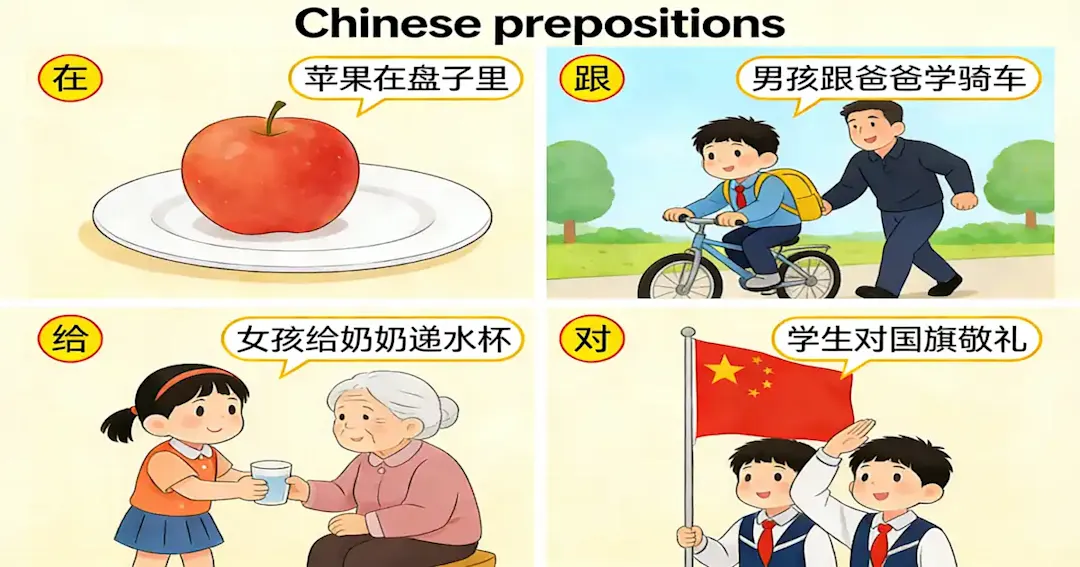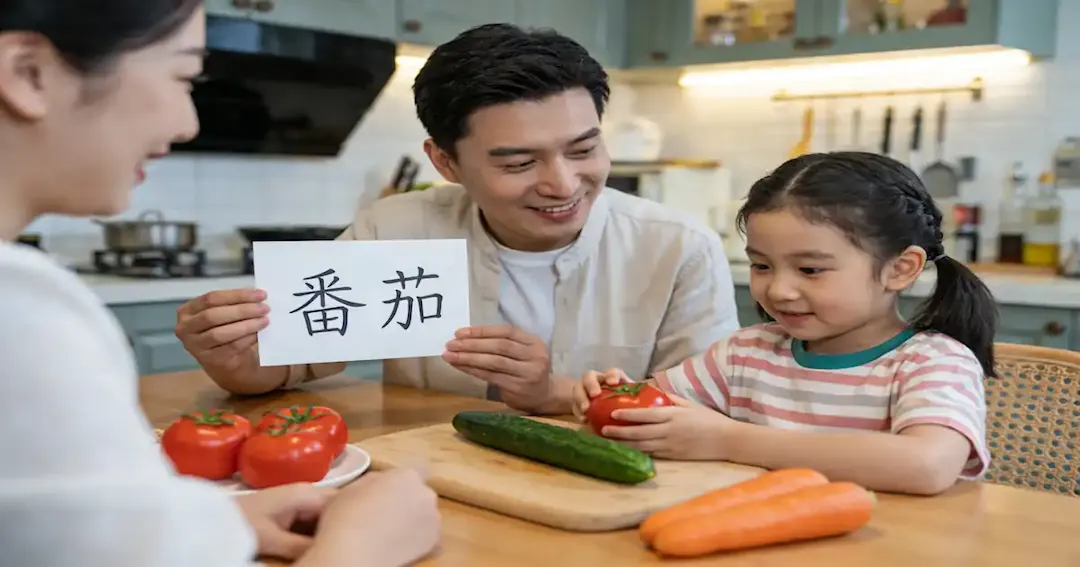

A guide to boosting Chinese language fluency through full immersion
Many overseas Chinese parents assume that learning Chinese in Chinese is impossible for native English-speaking children. However, research suggests otherwise. Young brains are uniquely wired for language learning, and studies show that children under the age of 7 can absorb new languages with remarkable ease, often picking up pronunciation and grammar through exposure rather than explicit instruction. Young learners are particularly skilled at distinguishing sounds and patterns in unfamiliar languages, which allows them to build fluency more naturally than adults.
When children are immersed in Chinese—through listening, speaking, and interacting directly in the language—they begin to think in Chinese, rather than relying on constant translation. This immersive approach builds confidence, strengthens communication skills, and keeps learning a playful experience rather than a stressful one.
This step-by-step guide explores how parents can create a simple, immersive environment at home that makes Chinese feel natural, engaging, and achievable. It also addresses common challenges and concerns that families may encounter when learning Chinese, offering practical strategies to support young learners on their bilingual journey.
Of course, whether your child is just starting to learn Mandarin or aiming to reach fluency, LingoAce also provides a structured and engaging learning roadmap tailored to their age and language level. Feel free to book a trial!
Step-by-Step Guide to Learning Chinese in Chinese
Step 1: Start With Everyday Language
Immersion begins with the words children hear and use most often. Instead of introducing complex vocabulary, parents should start with simple, high-frequency words and phrases that naturally fit into daily routines. Words like 吃饭 (chīfàn – eat), 睡觉 (shuìjiào – sleep), 玩 (wán – play), 妈妈 (māma – mom), and 爸爸 (bàba – dad) should be spoken consistently at home.
The key is repetition in meaningful contexts.
For example, when serving dinner, a parent can say: "来吃饭!" (Lái chīfàn! – Come eat!). At bedtime, they might say: "该睡觉了." (Gāi shuìjiào le – Time to sleep). Over time, children begin to associate words directly with actions, thereby bypassing the need for translation.
Example activity: Label routines with sticky notes in Chinese. Place a note with the character "吃" (chī – eat) on the dining table, or "门" (mén – door) by the front door. Use these words during transitions to reinforce meaning.

Step 2: Use Pictures, Gestures, and Context
Children learn languages most effectively when the meaning is clear without relying on translation. Parents can use visuals, gestures, and tone of voice to help children naturally grasp Chinese words.
For instance, while teaching the word 苹果 (píngguǒ – apple), parents can show an apple, say the word several times, and then take a bite. This multi-sensory approach makes the meaning obvious. Gestures such as shivering while saying 冷 (lěng – cold) or fanning oneself while saying 热 (rè – hot) also help children internalize vocabulary.
Example activity: Create a "Chinese picture box" with flashcards or small objects. Pull out an item (like a toy car), say 汽车 (qìchē – car), and act out driving. Encourage the child to repeat and play along.
Step 3: Speak in Full Sentences, Not Isolated Words
Parents often default to teaching single words, but complete sentences provide richer input and help children grasp grammar naturally. Saying "这是苹果" (Zhè shì píngguǒ – This is an apple) is more effective than just saying "苹果." Complete sentences also expose children to sentence patterns and structures they can reuse in other contexts.
This approach mirrors how children acquire their first language—through complete speech, not word lists. Even if the child only repeats part of the sentence, they begin to absorb rhythm, structure, and intonation.
Example activity: During playtime, narrate what is happening: "你在玩球." (Nǐ zài wán qiú – You are playing with the ball). This natural narration immerses children in functional sentences without putting pressure on them.
Step 4: Create a Chinese-Only Zone
Consistency is key in immersion. Designating certain times or spaces as "Chinese-only zones" helps children expect and accept Chinese as part of their routine. For example, parents can decide that mealtime, storytime, or car rides are exclusively conducted in Chinese.
Initially, children may resist, but maintaining a playful and positive atmosphere encourages a gradual adjustment. Over time, they associate those spaces with Chinese and begin to use the language more spontaneously.
Example activity: Make mealtimes "Chinese hour." Use Chinese for food words, passing items, or asking for more: "我要水" (Wǒ yào shuǐ – I want water), "请给我饭" (Qǐng gěi wǒ fàn – Please give me rice).
Step 5: Incorporate Songs, Stories, and Rhymes
Songs, rhymes, and stories are powerful tools because they provide natural rhythm, repetition, and context. Children love music and storytelling, and these formats introduce vocabulary in a way that feels effortless.
Start with simple, well-known songs like "两只老虎" (Liǎng zhī lǎohǔ – Two Tigers) or "小星星" (Xiǎo Xīngxing – Twinkle, Twinkle, Little Star in Chinese). Picture books in Chinese can also expose children to characters, colors, and cultural elements while keeping learning fun.
Example activity: End the day with a bedtime routine of one Chinese song and one short story. Encourage your child to sing along or act out the story with toys for a deeper level of engagement.
Step 6: Encourage Active Participation
Immersion is most effective when children actively use the language. Instead of just listening, they should be encouraged to speak, respond, and interact in Chinese. Parents can ask simple yes/no or choice questions in Chinese, prompting children to answer with short phrases.
For example, when offering snacks, ask: "你要苹果还是香蕉?" (Nǐ yào píngguǒ háishì xiāngjiāo? – Do you want an apple or a banana?). Even if the child says "苹果," they are practicing active language production.
Example activity: Play a "Simon Says" game in Chinese: "拍手!" (Pāi shǒu – Clap your hands), "跳一跳!" (Tiào yī tiào – Jump). Games encourage listening comprehension and active response.
Step 7: Make Mistakes Part of the Process
Children (and parents) often hesitate to use Chinese for fear of making mistakes. However, immersion works best when errors are accepted as a natural part of the learning process. Parents should gently model correct language rather than correcting harshly.
For example, if a child says "我要苹果子" (adding the wrong suffix), the parent can respond naturally with: "对, 你要苹果." (Duì, nǐ yào píngguǒ – Yes, you want an apple), emphasizing the correct form. This way, children hear the correction in context without feeling embarrassed.
Example activity: Keep a "language jar" where every mistake is followed by encouragement—placing a small sticker or token in the jar to celebrate effort, not just accuracy.
Step 8: Connect With Chinese Culture
Language immersion is most meaningful when tied to culture. Celebrating Chinese holidays, cooking traditional foods, and learning cultural customs enrich children's understanding and provide context for the language. For example, teaching the word 汤圆 (tāngyuán – glutinous rice balls) during the Lantern Festival connects vocabulary to a family tradition.
Example activity: During the Mid-Autumn Festival, read a simple story about 嫦娥 (Cháng’é – the Moon Goddess) while eating 月饼 (yuèbǐng – mooncakes). Ask your child to repeat key words like 月亮 (yuèliàng – moon) or 灯笼 (dēnglóng – lantern).

Step 9: Use Technology Wisely
Digital tools can support immersion if used intentionally. Many apps and platforms offer immersive Chinese games, audiobooks, or video lessons that provide instructions entirely in Chinese. Parents should choose interactive resources that encourage listening and responding, rather than relying on passive screen time. Another resource are online private lessons with professional teachers who speak the language fluently, like LingoAce.
Example activity:
Use an audiobook app with Chinese stories. Play it during car rides and pause occasionally to ask questions: "她在做什么?" (Tā zài zuò shénme? – What is she doing?). This turns passive listening into active comprehension practice.
Step 10: Stay Consistent and Patient Immersion is a gradual process.
Children may initially mix English and Chinese or resist speaking, but consistency yields results. Parents should set realistic goals—such as learning five new words a week or holding short daily conversations in Chinese—and celebrate small milestones. Consistency builds comfort, and comfort builds fluency.
Over time, children stop translating in their heads and begin thinking in Chinese naturally. Example activity: Keep a progress chart with stickers for every new phrase your child uses in Chinese. Celebrate milestones with small rewards, such as a favorite activity or a special treat. Common Mistakes to Avoid When Learning Chinese in Chinese Parents often want to support their children in learning Chinese but may unintentionally make choices that slow progress or create frustration. Being aware of common pitfalls makes it easier to build a positive and effective immersion environment.
Translating Everything Into English: One of the biggest mistakes is over-reliance on translation. Constantly saying the Chinese word followed by its English equivalent prevents children from thinking directly in Chinese. Instead, parents should use context, gestures, and repetition to make meaning clear and accessible. For example, when handing over an apple, say: "苹果." Over time, children naturally connect the sound with the object, without needing English as a crutch.
Skipping Listening Practice: Some parents focus heavily on speaking or writing but neglect listening. Yet, children need frequent exposure to native pronunciation, rhythm, and sentence patterns. Listening to songs, audiobooks, or short conversations in Chinese helps build comprehension and improve pronunciation. Daily listening—even just 10 minutes—lays the foundation for fluency.
Expecting Perfect Grammar: Children will make mistakes as they experiment with a new language, and that's normal. Correcting harshly can discourage them from speaking at all. Instead, parents should gently model the correct sentence. If a child says "我要苹果子," the parent can respond with: "对,你要苹果." This reinforces accuracy without criticism.
Inconsistency: Irregular practice is another common barrier. Immersion works best with short, daily exposure rather than occasional long lessons. Even 15 minutes of Chinese songs, games, or conversation every day is more effective than a two-hour session once a week.

FAQ: Learn Chinese in Chinese for English-Speaking Kids
Won't my child get confused if they don't understand the English translation?
Not at all. Children are naturally wired to make sense of language through context, tone, and repetition. Just as they learned English without constant translation, they can do the same with Chinese. When parents point, gesture, or act things out, children quickly connect meaning to words without needing English as a bridge.
My child resists when they don't understand right away—what should I do?
It's normal for children to feel frustrated at first, but patience is key. Keep activities short, playful, and interactive. For example, use games, songs, or picture books to keep learning fun. Over time, comprehension builds naturally, and frustration decreases.
How much Chinese exposure is really needed for progress?
Consistency matters more than quantity. Even 10–20 minutes a day of active listening and interaction in Chinese can have a significant impact. Daily exposure creates stronger memory connections compared to long but infrequent lessons.
What if I'm not fluent in Chinese? Can I still teach my child?
Yes! Parents don't need perfect Chinese to create an immersive environment. They can use bilingual books, songs, or recordings of native speakers to help them learn. The goal is to provide consistent exposure, not perfection.
Will learning Chinese affect my child's English skills?
No—research shows that learning a second language strengthens overall cognitive ability and does not harm English development. In fact, bilingual children often show stronger problem-solving skills and creativity. Learning Chinese through the language itself unlocks fluency, confidence, and a deeper understanding of the culture. By surrounding your child with the language, encouraging speaking in context, and using immersive methods both at home and online, you help them think naturally in Chinese.

Consistency, patience, and playful engagement are key. Looking for an online Chinese class for your kids to learn Mandarin and Chinese culture? LingoAce is one of the best ways for kids to learn Chinese online. Each one-on-one lesson is the product of nearly 200 hours of curriculum development, teacher training, and quality control. LingoAce classes are tailored to meet your child's learning needs. Experience a redefined Chinese learning experience and book a free trial class with us today.