
Names carry stories. They preserve history, express emotion, and reflect the values of an entire culture. In ancient China, a name wasn’t just an identity—it was a philosophy of life in just a few characters.
When learning Chinese, many students start by memorizing characters and grammar rules. But few realize that ancient Chinese names are like small poems—they show how words, tones, and meanings intertwine in real life.
In this article, we’ll explore how ancient Chinese names work, why they matter, and how understanding them can actually make your Chinese learning journey deeper, richer, and more enjoyable.
1. The Structure of Ancient Chinese Names: Layers of Identity
Every ancient Chinese name had layers. There was the surname (姓), the given name (名), and often a courtesy name (字) or pseudonym (号). Each reflected social norms and personal identity.
For example, the great poet Su Shi (苏轼) was also known by his courtesy name Zizhan (子瞻) and pseudonym Dongpo Jushi (东坡居士). These names weren’t just aliases—they reflected how he wanted to be remembered: scholarly, elegant, and grounded in nature.
Learning Tip: When studying Chinese, try looking at these name structures as examples of semantic building—how Chinese uses layers of meaning instead of long phrases.

2. The Meaning Within Characters: Every Stroke Tells a Story
In ancient China, a name was a blessing. Parents carefully chose characters that carried virtue (德), hope (望), or nature (景).
Here are a few beautiful examples:
De Yi (德义) — virtue and righteousness, a reflection of Confucian ethics.
Ming Yue (明月) — bright moon, symbolizing purity and elegance.
An Ping (安平) — peace and stability, a wish for harmony.
“德义”——象征儒家思想中的道德与正直;
“明月”——寓意纯洁与优雅;
“安平”——寄托平和安宁的美好期望。
Modern learners often find these characters in idioms or poems, yet rarely realize they once appeared in people’s names.By tracing these characters back to names, you see how language, morality, and art naturally merged in daily life.
3. History and Taboos: When Names Carried Power
Naming wasn’t just personal—it was political.In imperial China, one could not use characters from the emperor’s name, a rule known as naming taboo (避讳). Writing or speaking those characters was a serious offense.This shows how language in China has always been tied to respect and hierarchy—values still echoed in modern speech, where people use polite titles or humble forms of address.
Understanding such customs gives learners not just vocabulary but also cultural awareness—the invisible context that helps you sound more authentic when speaking Chinese.
4. The Poetry of Names: When Words Become Identity
Many ancient names sounded poetic because they were.Take Li Bai (李白)—“Bai” means “white,” symbolizing clarity and purity, perfectly matching his image as the “Immortal Poet.”
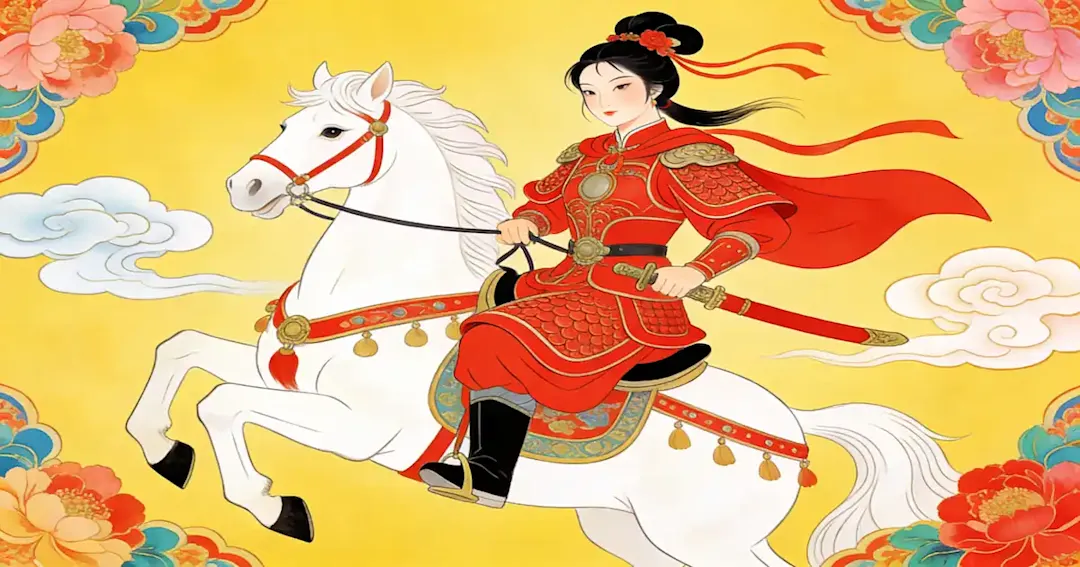
Or Mulan (木兰), meaning “magnolia,” a flower symbolizing strength and grace—qualities she embodied in legend.
When you read these names aloud, you’re not just learning pronunciation—you’re reciting cultural poetry. This is why many Chinese learners at LingoAce find name study an enjoyable part of their lessons.
5. Learning Through Names: A Living Method for Language Learners
Instead of memorizing vocabulary lists, try learning Chinese through names.Choose one ancient name each week, break down its characters, research their origins, and practice writing them.
For example, if you study the name Wen Tianxiang (文天祥), you’ll learn:
“文” = literature or refinement
“天” = heaven
“祥” = auspiciousness
It’s not just vocabulary—it’s context, story, and culture combined.And that’s exactly how language becomes memorable.LingoAce teachers often integrate this into classes, connecting names with pronunciation, radicals, and cultural anecdotes. Students say it feels like learning through living language, not textbooks.

6. Modern Echoes: How Ancient Naming Traditions Live On
Even today, modern Chinese names carry traces of ancient wisdom.Parents still choose characters that express hope, virtue, or poetic meaning.
This continuity helps learners see Chinese not as a “hard language” but as a living tradition that evolves while preserving its soul.Understanding this emotional depth also helps you connect better with native speakers—they’ll sense you’re not just learning the language, but understanding its heart.
Conclusion: Every Name, a Lesson in Language and Culture
Ancient Chinese names are not just relics—they’re bridges.They connect the written word to the lived world, the sound of a character to the soul of a culture.For every learner, exploring names is a reminder that Chinese isn’t meant to be memorized—it’s meant to be felt, understood, and lived.
If you’d like to dive deeper into stories like these—where teachers bring language and culture together—try a free LingoAce trial class. You might just find your favorite Chinese name along the way.