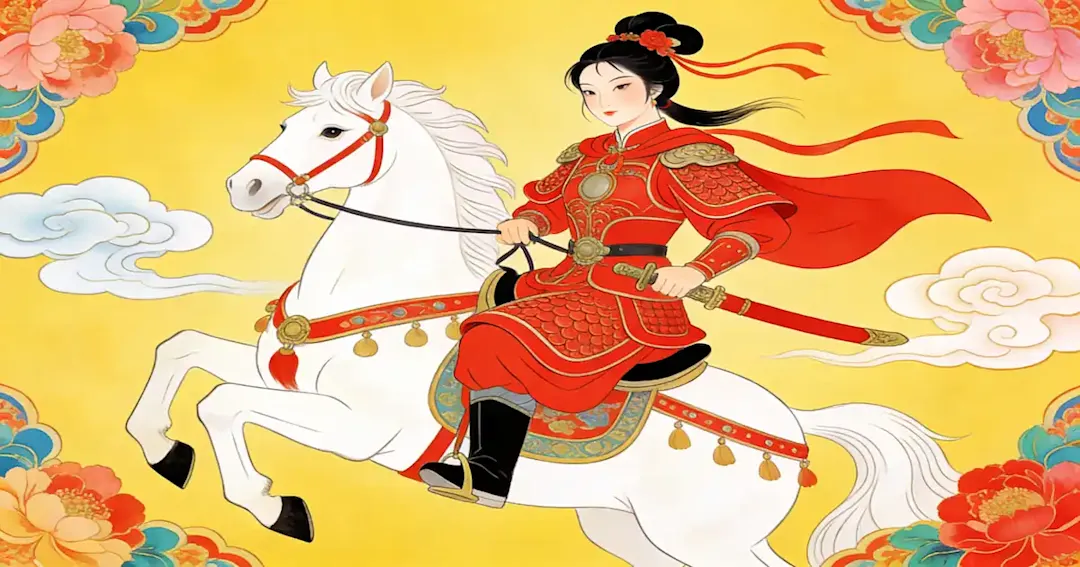
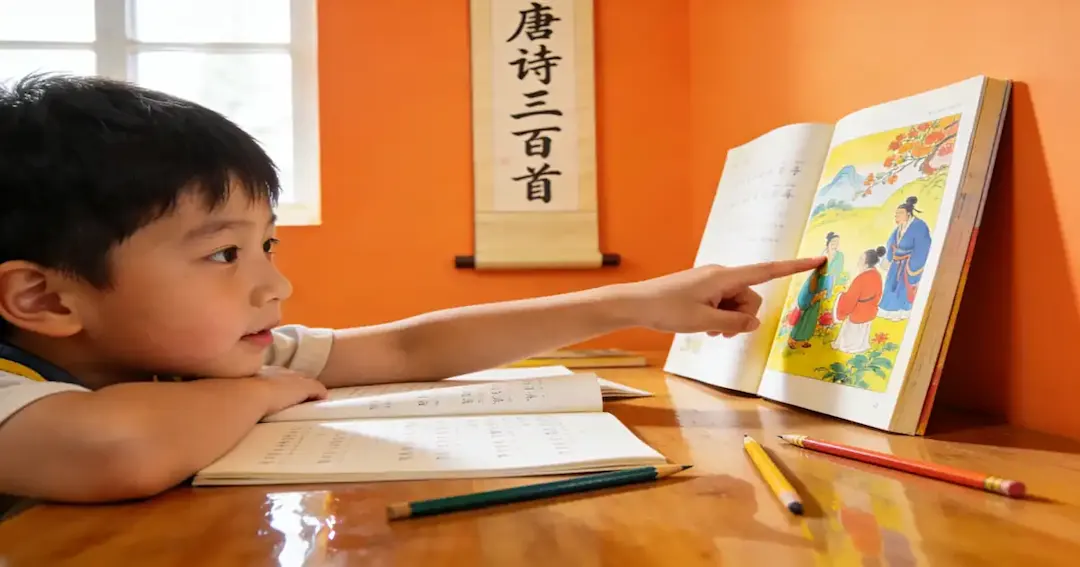
If your child grew up with Western fairy tales, they probably imagine dragons as giant, fire-breathing monsters that heroes must defeat. But dragons in Chinese culture are almost the opposite: wise, powerful, protective, and closely tied to rain, rivers, and good fortune. That one difference already opens a big window into how Chinese people see the world—and how the Chinese language works.
For families raising bilingual kids, dragons are an unexpectedly perfect entry point. You can move from a dragon dance on YouTube, to the character 龙 (lóng), to idioms, to festivals, and suddenly you’re not just “learning words” anymore. You’re stepping into a cultural system.
In this article, we’ll walk through 9 key insights about dragons in Chinese culture and, for each one, show you a simple way to turn that insight into real Chinese learning at home. This is also the kind of approach LingoAce teachers often use in class: start from something children already love, like dragons, and then gently guide them into deeper language and culture—without feeling like a test.
1. Dragons in Chinese Culture Are Protectors, Not Monsters
The first big surprise for many learners is this: dragons in Chinese culture are heroes, not villains. They bring rain to farmers, protect villages, and appear around emperors as symbols of strength and fairness—at least in the ideal sense.
So when your child says, “But I thought dragons were bad,” you’ve got a great teaching moment. You can explain that in Chinese stories, dragons usually help people. That instantly turns a vocabulary word into a cultural comparison.
Try this at home: Show two pictures—one Western dragon, one Chinese dragon. Ask your child in English first: “Which one looks friendly? Which one looks scary?” Then introduce the Chinese word 龙 (lóng) and say: “In Chinese, 龙 is usually on the good side.”

2. Dragons and Water: Rain, Rivers, and the Sea
Unlike many Western dragons that live in caves or hoard gold, dragons in Chinese culture are deeply linked to water. They live in rivers, lakes, and seas, and they control rain and storms. Ancient people prayed to dragon kings for good harvests and protection from floods.
This gives you an easy way to connect dragon vocabulary to daily words:
龙王 lóngwáng – Dragon King
雨 yǔ – rain
河 hé – river
海 hǎi – sea
You don’t have to drill them like a quiz. Just connect them to a story: “The Dragon King lives in the sea (龙王住在海里), and when people needed rain, they asked him for help.”
3. Dragons and Emperors: Power, Authority, and Identity
For a long time, the dragon was the personal symbol of the emperor. Only he could wear the full five-clawed dragon on his robes. Palaces, thrones, and even bridges were covered with dragon carvings.
Here, dragons in Chinese culture quietly teach your child a lesson about hierarchy and respect. When they learn the phrase 真龙天子 (zhēn lóng tiānzǐ)—literally “true dragon, son of heaven”—they also learn how language encodes political ideas.
You don’t need to turn this into a history lecture. A simple line like: “In old China, people said the emperor was like a dragon on earth,” already plants a seed of understanding.
4. Dragons in Festivals: From Dragon Boat Races to New Year Dances
If your child has ever seen a dragon boat race or a Chinese New Year dragon dance, they’ve already met dragons in Chinese culture—just in a very lively way. Festivals turn the dragon from a symbol on paper into something you can watch, hear, and almost touch.
This is a perfect chance to connect language with real experiences:
端午节 Duānwǔjié – Dragon Boat Festival
龙舟 lóngzhōu – dragon boat
舞龙 wǔlóng – dragon dance
Watch a short video together and pause sometimes to say the words out loud. No pressure, no test. Just repeat: “看,龙舟 (lóngzhōu). Look, that’s the dragon boat.” Over time, these sounds become part of your child’s memory of festivals, not just of homework.
5. Dragons in the Chinese Zodiac and the Idea of “Descendants of the Dragon”
Among the twelve animals of the Chinese zodiac, the dragon is the only mythical creature. Many families still quietly hope for a “dragon baby,” believing Dragon years are lucky and full of energy.
You’ll also hear the phrase “descendants of the dragon” (龙的传人), which some Chinese people use to describe themselves as a nation. It’s more poetic than scientific, of course, but it tells you how central dragons in Chinese culture really are.
For language learning, this gives you a gentle way to talk about 生肖 (shēngxiào – zodiac) words and simple sentences like: “I was born in the Year of the Dragon. 我属龙 (wǒ shǔ lóng).”

6. The Character 龙 (lóng): A Simple, Powerful Writing Lesson
At some point, every learner meets the character 龙 (lóng). It’s not the easiest character, but kids love it because it feels important and a little bit mysterious.
You can turn dragons in Chinese culture into a quick writing activity:
First, show the simplified character 龙 and, if your child is older or curious, the traditional 龍.
Then compare them as “two ways to draw the same idea.”
Let your child try writing it big on a piece of paper—no need for perfection.
In LingoAce classes, teachers often use characters like 龙 to talk about radicals, history of the script, and meaning in a way that feels like storytelling, not a lecture. That’s exactly the feeling you can bring home too.
7. Dragon Idioms: Small Phrases, Big Cultural Clues
Chinese is full of idioms involving dragons. A few are more advanced, but some can be introduced even to younger learners as “cool phrases” with fun stories behind them:
望子成龙 (wàng zǐ chéng lóng) – “hoping one’s child becomes a dragon,” meaning parents hope their child will be very successful.
龙腾虎跃 (lóng téng hǔ yuè) – “dragons rising, tigers leaping,” describing a lively, energetic scene.
生龙活虎 (shēng lóng huó hǔ) – literally “living dragon, lively tiger,” describing someone full of energy.
Pick just one and use it in a real sentence about your child:“You are so full of energy today—真是生龙活虎!”It doesn’t matter if the sentence isn’t perfect. What matters is that your child feels idioms are alive, not just exam content.
8. Stories, Imagination, and How LingoAce Uses Dragons in Class
Children don’t fall in love with a language because of grammar charts. They fall in love because of stories and feelings. Dragons in Chinese culture are rich material for this: ancient legends, modern cartoons, festival scenes, even pop culture.
In a typical LingoAce lesson, a teacher might:
Start with a short dragon story or picture,
Ask simple questions in Chinese (“这是什么?是谁?在做什么?”),
Highlight a few new words like 龙、雨、河、节日,
Then guide kids to use them in their own sentences.
It feels more like play than instruction. But underneath, children are making real progress in listening, speaking, and cultural understanding. If you like this approach, it’s something you can absolutely bring into your home routines too.
Conclusion: Let Dragons Open the Door to Chinese
Dragons in Chinese culture are more than decoration on a festival banner. They connect history, identity, family hopes, and everyday language in a way that kids can feel—even if they can’t fully explain it yet.
If you’d like your child to learn Chinese in this kind of story-rich, culture-driven way, a LingoAce trial class is an easy next step. Your child might meet dragons again there—but this time, as friendly guides into the Chinese language.