Teaching Singapore Math to young learners requires a deep understanding of its core principles, including the Concrete-Pictorial-Abstract (CPA) approach, the emphasis on problem-solving skills, and mastery-based learning. Parents and educators must be well-versed in using manipulatives and visual aids to help students grasp abstract concepts, and they should be skilled in guiding students through complex problem-solving strategies like bar modeling. It also helps to choose the right textbook.
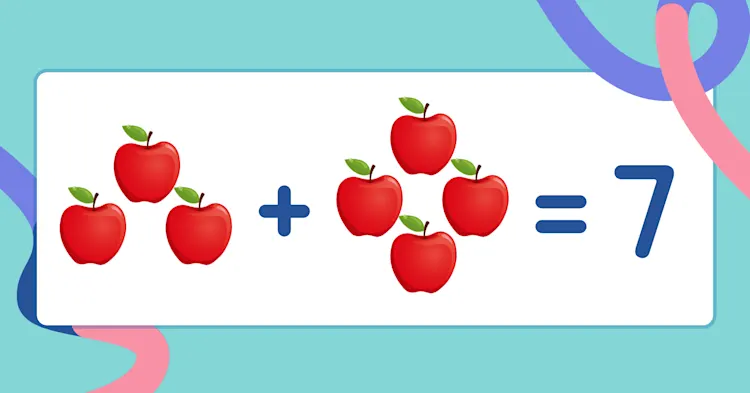
Primary Mathematics is the original curriculum used in Singaporean schools. It is divided into several levels, typically covering grades 1 through 6. The curriculum includes textbooks, workbooks, and teacher's guides.
Dimensions Math is a more recent curriculum that builds on the strengths of Primary Mathematics, offering a more comprehensive approach with enhanced visuals and explanations. It is suitable for both school and home use. But this isn't the only Singapore Math textbook.
Math in Focus was developed for the U.S. market. This curriculum aligns with the Common Core State Standards. It retains the core principles of Singapore Math while adapting to the American educational context.
Discovering Mathematics is a curriculum designed for middle school students, focusing on deepening their understanding of mathematical concepts and preparing them for higher-level math. But to make a comparison, let's look at the pros and cons of the Dimensions vs Primary textbook for Singapore Math.
What is Singapore Math Dimensions?
Dimensions Math is a relatively new series of math textbooks and instructional materials developed to offer a fresh take on the traditional Singapore Math approach. This series is designed to align with the latest educational standards and incorporate more contemporary teaching methods while still adhering to the core principles of Singapore Math.
Key Features of Dimensions Math:
Updated Curriculum: Singapore Math Dimensions offer an updated curriculum that aligns with current educational standards and practices. It incorporates modern pedagogical strategies and emphasizes a deep understanding of mathematical concepts.
Integrated STEM Learning: The Dimensions series integrates STEM (Science, Technology, Engineering, Mathematics) learning, connecting mathematical concepts and their applications in science and technology.
Comprehensive Approach: The curriculum covers a wide range of topics and thoroughly mediates basic and advanced mathematical concepts. It aims to build a solid foundation and progressively deepen students' understanding.
Rich Visuals and Interactive Elements: Singapore Math Dimensions textbooks are known for engaging visuals, diagrams, and interactive elements that help students visualize and understand complex concepts more quickly.
Support for Teachers: The series includes extensive resources and support for teachers, including detailed lesson plans, assessment tools, and professional development materials to aid effective instruction.
What is Singapore Math Primary?
Singapore Math Primary, also known as Primary Mathematics, is the original and most widely recognized series of textbooks based on the Singapore Math method. Developed in the 1980s, this series has been instrumental in Singapore's success in international math assessments and is highly regarded for its effectiveness.
Key Features of Primary Mathematics:
Concrete-Pictorial-Abstract (CPA) Approach: The Singapore Math Primary series is known for its systematic use of the CPA approach. It helps students understand mathematical concepts deeply by progressing from concrete experiences to pictorial representations and abstract thinking.
Emphasis on Problem Solving: The curriculum strongly emphasizes problem-solving skills, encouraging students to think critically and apply their knowledge to solve real-world problems.
Mastery-Based Learning: The Singapore Math Primary series follows a mastery-based learning approach, ensuring that students achieve a high level of proficiency in each topic before moving on to the next. This method prevents gaps in knowledge and promotes long-term retention of concepts.
Bar Modeling: A unique feature of the Primary series is bar modeling, a visual strategy that helps students understand and solve complex word problems by breaking them down into simpler parts.
Structured and Sequential Curriculum: The curriculum is well-structured and sequential, with each topic building on previously learned concepts. This logical progression helps students develop a coherent and integrated understanding of mathematics.
Singapore Math Dimensions vs Primary: The Differences
While both the Dimensions and Primary series adhere to the core principles of Singapore Math, they differ in several key aspects. For one, the curriculum design in the Dimensions Math textbook offers a more modern and updated curriculum, integrating STEM learning and incorporating contemporary educational standards and practices. By comparison, the Primary Mathematics textbook follows a traditional curriculum design that has proven effective over decades, focusing on systematically developing mathematical concepts through the CPA approach. Even the teaching methods are slightly different. The Singapore Math Dimensions textbook emphasizes interactive and visual learning with rich visuals, diagrams, and interactive elements that engage students and enhance their understanding of complex concepts. The Primary Mathematics textbook relies heavily on the CPA approach and bar modeling, providing a structured and methodical way of learning that emphasizes mastery and problem-solving skills. As for additional resources and support for teachers, the Dimensions Math textbook provides extensive resources and support for teachers, including detailed lesson plans, assessment tools, and professional development materials to aid effective instruction. The Singapore Math Primary textbook offers robust teacher support but may not be as comprehensive or modern as the resources available in the Dimensions series.
The Pros and Cons of Singapore Dimensions
Pros:
Modern Curriculum: The updated curriculum aligns with current educational standards and practices, making it relevant and practical in today's educational landscape.
Engaging Visuals and Interactive Elements: Rich visuals and interactive elements help students visualize and understand complex concepts, making learning more engaging and effective.
Integrated STEM Learning: Integrating STEM learning connects mathematical concepts with real-world applications, enhancing students' understanding and interest in math and science.
Comprehensive Teacher Support: Extensive resources and support for teachers aid effective instruction and professional development, ensuring educators are well-equipped to teach the curriculum.
Cons:
Learning Curve: The modern and updated curriculum may require a learning curve for teachers and students, especially those accustomed to more traditional methods.
Resource Intensive: Implementing the Dimensions series may require more resources, including teacher training and additional instructional materials, which could be challenging for some schools or districts.
Potential Overwhelm: The abundance of visuals and interactive elements, while engaging, could potentially overwhelm some students, particularly those who prefer a more straightforward approach to learning.
Both Singapore Math Dimensions and Primary series offer robust and effective approaches to math education, each with unique strengths and features. The choice between them ultimately depends on the students, educators, and schools' specific needs and preferences.
The Dimensions series may be the better choice for those looking for a modern, updated curriculum that integrates STEM learning and offers extensive teacher support. On the other hand, for those who prefer a proven, traditional approach with a strong emphasis on the CPA method and problem-solving skills, the Primary series remains an excellent option. By understanding the key differences, benefits, and potential challenges of Singapore Math Dimensions vs Primary textbooks, parents and educators can make informed decisions that best support their students' learning and long-term success in mathematics.
Find Singapore Math Courses on LingoAce
Looking for more fun ways to help your kid improve their math skills? LingoAce now offers small group classes for children ages 5-13 to learn math online. Our courses are taught by professional math teachers with experience teaching in American and Canadian classrooms. Give us a try for free.