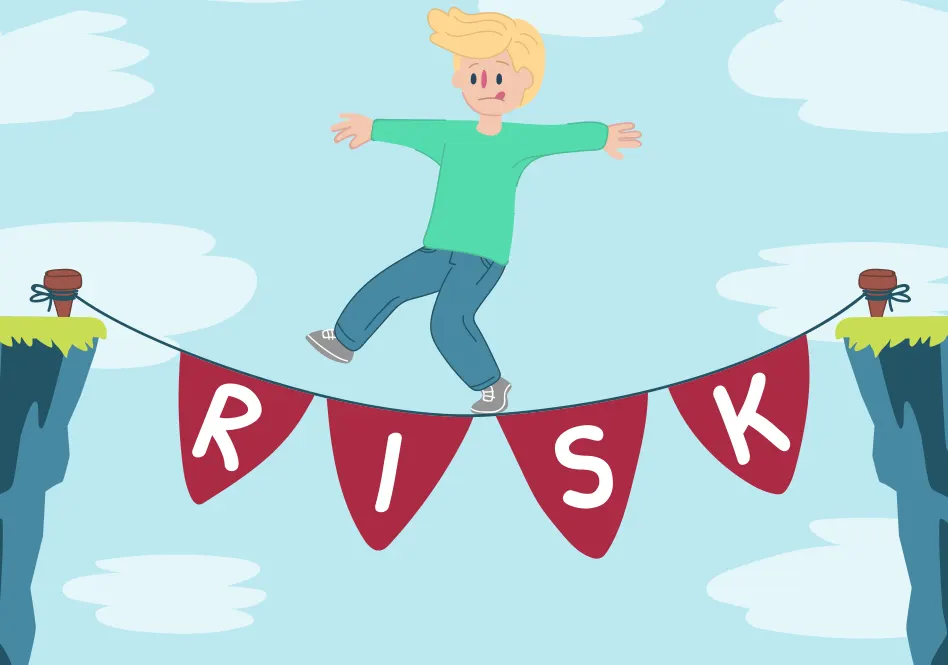
There’s a unique moment in every online ESL lesson right after a student makes a mistake. It’s delicate, almost weightless. The student looks at you, unsure whether they succeeded or missed the mark. Their eyes search your reaction for clues, and in that tiny pause, teachers make a choice: correct fully, correct lightly, ignore it, or turn it into a learning opportunity.
In language learning, these moments happen again and again. Students drop plurals, mix tenses, switch word order, or default to a familiar phrase. Heavy corrections can shut down output, but no correction at all can stall growth. This is where micro-corrections shine. They're gentle adjustments that keep the student speaking while shaping their accuracy over time. This blog explores how LingoAce teachers use micro-corrections to strengthen language without overwhelming learners, and how these tiny redirections quietly build long-term fluency.
1. Why Micro-Corrections Matter More Than Perfect Speech
Children learn language by trying it, reshaping it, and trying again. If corrections feel too big, too frequent, or too blunt, students may freeze or speak less. When corrections are small, supportive, and woven into the flow of conversation, students stay confident and open. Micro-corrections help students notice patterns without feeling judged. A quick model, an echo, or a light adjustment invites them to self-correct in a way that feels safe. And that’s the real goal: a learner who is willing to speak and revise.
🪴 Student Growth: It often begins with the student thinking, “Oh! I can fix that.”
2. Light Touch, Long Impact
A micro-correction often lasts only a second or two, yet its effect lingers because it respects the student’s voice. Instead of replacing what they said, you refine it gently. Instead of pointing out an error, you highlight a possibility. Here’s what micro-corrections look like in practice:
Repeating only the part the student missed
Adjusting intonation to signal the change
Raising your eyebrows as you model the corrected word
Emphasizing plural “s” or past tense endings subtly
Rephrasing the sentence after the student finishes, not during
The key is that the student still feels like the speaker. You aren't taking the floor from them, you’re giving it back with a slightly clearer path.
🎨 Micro-Corrections: Think as if you're touching up a painting without repainting the whole canvas.
3. Micro-Correction Techniques
You don’t need slides, diagrams, or explanations. Micro-corrections are at their best when they’re fast, natural, and woven into conversation. Here are tools that fit effortlesslyinto live teaching:
Echo correction: Student says, “He eat pizza.” Teacher echoes softly: “He eats…”
Add-on correction: Student says, “I like dog.” Teacher responds: “You like a dog.”
Recast: Teacher repeats the sentence back correctly without interrupting.
Targeted emphasis: “Cats”—listen again.
Self-correction prompt: “Try it one more time.”
Choice-based correction: “He go or He goes?”
What makes these tools effective is that they’re supportive, not disruptive. The rhythm of the lesson stays intact.
🔁 Lesson Flow: All you need to do is correct, model, and move on so the lesson keeps flowing.
4. When to Correct & When to Let Go
Experienced teachers know that not every mistake needs attention. Some errors are developmental and will resolve naturally with exposure. Others, like dropped endings or incorrect word order, benefit from quick reminders. Micro-corrections help teachers prioritize without overwhelming. Consider these guiding questions:
Is the mistake blocking meaning? If not, keep the flow going.
Is the student still building confidence? Choose gentle or selective correction.
Is this a concept introduced today? Correct with more clarity.
Is the student in a high-energy, talkative moment? Don’t interrupt the momentum.
One of the subtle arts of ESL teaching is knowing when silence supports growth more than correction. Sometimes the best correction is simply giving the student space to try again later.
🌤️ Reading the Room: Correction should feel like support, not interruption.
5. Low-Stress Accuracy Strengthening
Below is a table offering gentle alternatives teachers can use when a student makes a mistake. These micro-corrections guide the learner toward accuracy while preserving confidence and flow.
Instead of saying this… | Try this micro-correction… |
“No, that’s wrong.” | “Good try! Listen...” |
“You said it incorrectly.” | “Almost! Say it like this…” |
Interrupting mid-sentence | Let them finish, then model softly |
Correcting with a long explanation | Give one word or one sound: “Runs—add ‘s’.” |
Making the student repeat many times | One confident repeat: “Try it one more time.” |
⭐ Supportive Correction: Students should correct themselves without fear.
Final Thoughts
Micro-corrections are a blend of timing, tone, and respect for the student’s voice. They guide learners toward clearer language without overwhelming them or interrupting their courage to speak. When teachers correct lightly, consistently, and compassionately, students begin to internalize patterns on their own. Mistakes become stepping stones instead of obstacles. At LingoAce, we believe that fluency grows from meaningful practice, not perfection. Micro-corrections keep the pathway open for both, so students stay engaged, confident, and willing to try again.
LingoAce offers qualified teachers smooth onboarding for an online ESL job. With tools and resources tailored to TESOL/TEFL-certified teachers, you’ll have everything you need to teach English remotely to children and thrive in this exciting career!