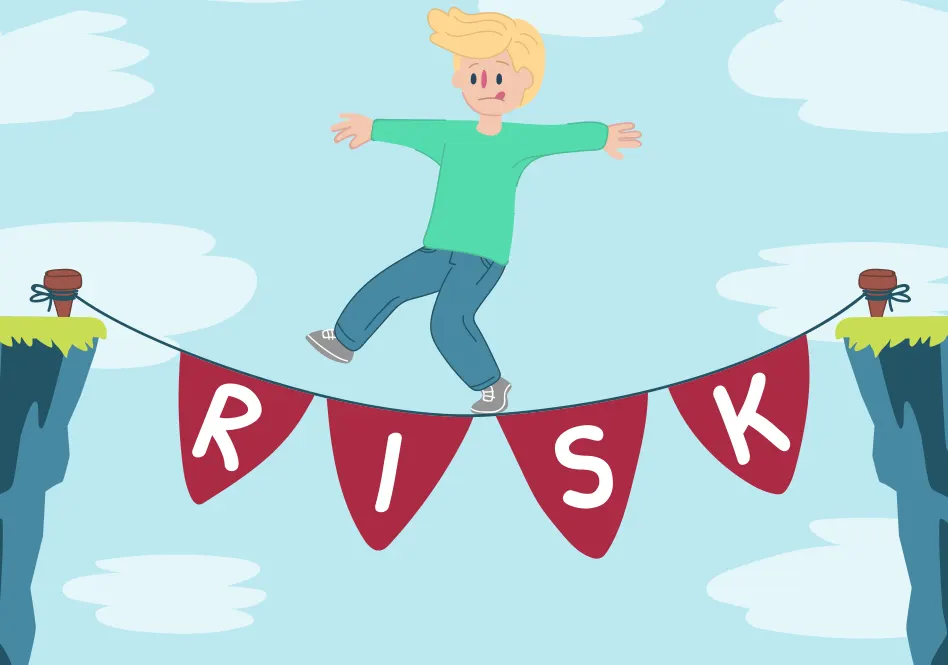
Even with a well-structured, research-backed curriculum like LingoAce’s, there are moments that wobble. A student gives you a blank stare. An activity that usually works suddenly fizzles. You’re halfway through a grammar point and realize… it’s not clicking. This doesn’t mean you’ve failed, it means you’re teaching a human being. LingoAce teachers operate within a consistent curriculum and that consistency is a huge asset. Nonetheless, what separates a solid class from a standout one is the teacher’s ability to adapt within the framework, responding to student needs in real time. In this post, we’ll look at how to recognize when a pivot is needed and how to adjust without losing momentum or failing to meet objectives.
1. Fixed Curriculum Doesn't Mean Fixed Delivery
Having a set curriculum doesn’t mean the class is scripted. It means there is structure, with the goals and content defined. The delivery, however, still lives in your hands. You can decide:
When to slow down or skip ahead
How to phrase a question
Whether to re-model a sentence
How to bring energy back after a lull
Your job is to adjust the route to help your student reach the same destination.
🗺️ Lesson Goals: Think of the lesson as a map and your delivery as the steering wheel. You’re still going to the same place, but sometimes you need to swerve around a bump in the road.
2. What a Misfire Looks Like in Class
Sometimes, the signs that something isn’t landing are obvious. Other times, they’re subtle. Being able to spot them quickly is the first step to knowing when and how to pivot. Here’s a quick chart to help you recognize common “pivot moments”:
Student Signal | What It Might Mean | Possible Pivot |
Blank stare or long silence | Confusion, overload, or language gap | Simplify task, rephrase question |
Repeating same incorrect answer | Misunderstanding instructions or guessing | Model again, ask guiding question |
Fidgeting or silly behavior | Low engagement or overstimulation | Add movement, switch activity style |
Giving up (“I don’t know”) | Loss of confidence or unclear expectations | Scaffold response, celebrate effort |
Sudden quiet from a usually vocal student | Emotional dip or fatigue | Acknowledge mood, slow down pace |
You don’t need to analyze every moment, but noticing these patterns helps you respond with empathy and clarity.
3. Purposeful Pivoting
It’s easy to overcorrect when things stall by skipping ahead, over-explaining, or rapidly switching activities, but effective pivots are targeted, not reactive. Here are some go-to strategies:
Rephrase the question: Turn “What do you see in this picture?” into “Is this a dog or a cat?”
Use a quick “I do, we do, you do”: Model → Do it together → Let the student try
Add a familiar anchor: Bring back a character, phrase, or structure they already know
Insert a break: “Stand up! Sit down! Ready?”
The key is to shift the delivery, not the objective. You’re still guiding them toward the goal, just in a way they’re ready to follow.
🕹️ Clever Pivots: The best pivots are invisible. Students don’t need to know you’re adjusting, they just need to feel re-engaged.
4. Keeping the Lesson Flowing
There’s always a tension between maintaining momentum and staying student-centered. It’s tempting to “move on” just to stay on time, but if a student’s lost or disengaged, moving forward won’t bring them back. Here’s how to do both:
Acknowledge the moment: “Hmm, this part’s tricky! Let’s try it a new way.”
Use transitions to reset energy: “Okay! That was a lot of thinking. Let’s play a quick game with the same words.”
Don’t skip, simplify: Rather than abandoning the activity, adapt the input (shorter sentences, fewer options, more visuals).
Circle back later: If something isn’t working now, flag it to revisit at the end. You don’t have to force it in the moment.
A flexible teacher bends the lesson structure to keep the student in the learning zone.
🛤️ Teaching Practice: You’re not teaching a lesson at your student, you’re guiding them through it.
5. Recovering Without Losing Confidence
It’s normal to feel a flash of self-doubt when a class moment goes sideways, especially if you’ve reviewed the lesson and prepped thoroughly. But those moments don’t reflect your responsiveness rather than ability. Modeling flexibility actually builds trust. When students see you adjust calmly, they learn that learning doesn’t have to be perfect to be productive. Things to say when you’re pivoting:
“Let’s try that a different way!”
“Oops! Let me slow down.”
“It's okay!”
The invisible lesson behind the pivot is that learning is dynamic and safe to navigate together.
Final Thoughts
A great lesson doesn’t mean everything went exactly as planned. It means the student was supported even when the plan changed. At LingoAce, the curriculum gives you the roadmap, but your instincts, voice, and ability to pivot in real time is what turns the map into a meaningful journey. The next time something doesn’t land, remember: It’s not about changing the lesson, it’s about changing how you reach the learner.
LingoAce offers qualified teachers smooth onboarding for an online ESL job. With tools and resources tailored to TESOL/TEFL-certified teachers, you’ll have everything you need to teach English remotely to children and thrive in this exciting career!