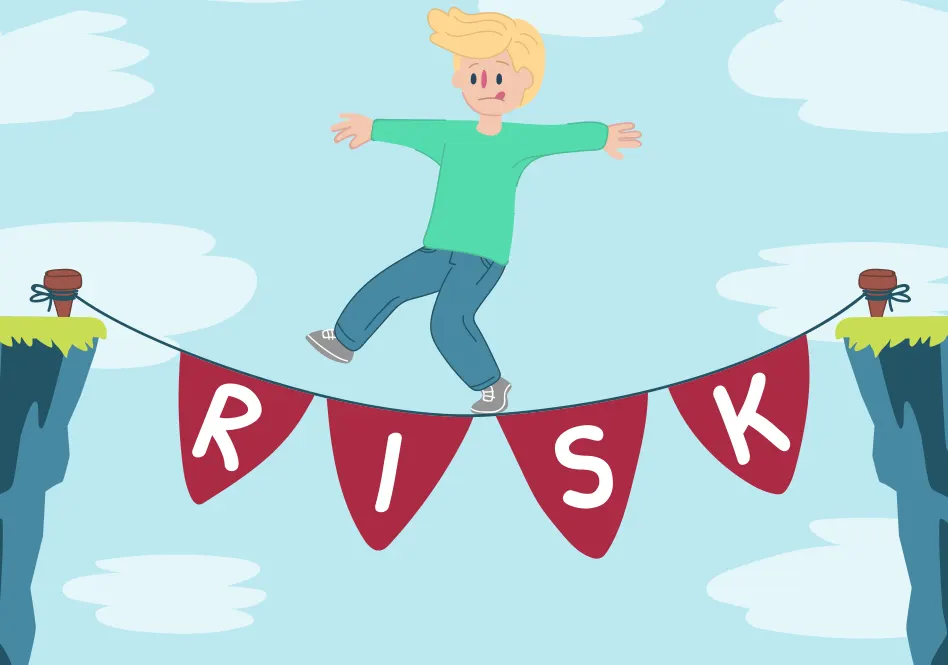
There’s a different kind of student many educators and parents are seeing more of these days; the reluctant learner. These kids aren’t “bad at school.” They’re not disinterested by nature. They’ve just hit a wall, possibly burned out from too many screens, frustrated by past struggles, or turned off by rigid routines that didn’t work for them. This leads them to be disengaged, unmotivated, or hesitant to give learning another shot. At LingoAce, we specialize in gently reigniting that spark. We don’t rush, pressure, or shame reluctant learners. We rebuild trust, reintroduce joy, and make learning feel like something they choose.
1. Rebuilding Trust Through Experience
Students who’ve had a rough patch with learning often carry quiet fears. Maybe they were called out for struggling. Maybe they froze during a test. Or maybe they just didn’t feel seen in a previous classroom. That emotional residue doesn’t vanish when they log in, it instead shows up in the form of resistance, avoidance, or boredom. That’s why LingoAce uses soft starts to reintroduce learning in a low-pressure, high-trust way. In early lessons, we focus on:
Light, interactive warm-ups
Easy wins to restore confidence
Engaging visuals that feel more like fun than formal education
Teachers who observe first, coach later
We don’t expect a comeback in the first session. We build toward it, class by class.
🌟 Pro Tip: Avoid asking your child, “Did you learn anything today?” Try instead: “What was the most fun part of class?” That subtle shift keeps pressure low and opens up conversation.
2. Playful Design Sparks Curiosity
When motivation is low, forcing academic tasks only deepens resistance. Instead, LingoAce uses playful design to get students curious again. Lessons include:
Interactive characters and story-based exercises
Gamified vocabulary challenges
Animated feedback (smiles, stars, fireworks) for engagement
Role-play and imagination-based practice
These playful elements are backed by research. When kids laugh, imagine, and create, their brain becomes more receptive to learning.
🎮 The Power of Gamification: Since the fun is tied to actual learning goals, students are absorbing skills even when they think they’re “just playing.”
3. Connecting Learning with Personal Relevance
One of the fastest ways to lose a student’s motivation is to make them feel like what they’re learning doesn’t matter. We use relevant, real-world connections to help students see the “why” behind their learning. Teachers take time to get to know the student’s interests (pets, sports, food, movies...) and weave those themes into lessons wherever possible. Whether it’s:
Asking, “Do you like sushi or burgers?” during a grammar activity
Creating example sentences about Minecraft or their favorite soccer player
Using family members in sentence-building exercises
This level of personalization reminds students the class is for them and them only. When learning feels personal, it stops being a chore and starts becoming a story they’re part of.
🧠 Expert Insight: Research shows relevance increases engagement, especially in students recovering from burnout. When they see themselves in the lesson, attention and retention rise.
4. Flexible Goals & Pressure-Free Progress
Burned-out learners often come with baggage, both emotional and academic. They’ve fallen behind, been compared to others, or simply lost faith in their own progress. That's why we shift the focus from performance to personal growth. Here’s how we keep it flexible:
The lesson flow is matched to the student’s readiness rather than a rigid pace
Mistakes are gently corrected, never spotlighted
Success is celebrated in small, authentic moments
Every lesson is designed to give students some degree of choice and control, two key factors in rebuilding motivation. Rather than being told what they have to do, they’re encouraged to explore what they can do.
🤔 Changing Framing: Ask your student what they’d like to improve next class not what they “should” do. Ownership increases buy-in.
5. Teacher-Student Connection
At the heart of any comeback story is a strong relationship. Students need to feel seen, heard, and valued, especially for those who’ve stopped believing in their own potential. LingoAce teachers are trained to:
Lead with warmth and patience
Offer encouragement before correction
Check in emotionally, not just academically (“How are you feeling today?”)
Celebrate effort just as much as achievement
These seemingly small gestures are the foundation of motivation. When a student feels safe and cared for, they want to show up. They want to try. They want to grow. Slowly, that wall of resistance starts to crumble one connection at a time.
📚 Example: A teacher noticed a student avoiding speaking tasks. Instead of pushing, she invited the student to be the “teacher” for one slide. The student lit up and for the first time, participated with a grin on her face.
Final Thoughts
Reluctant returners aren’t lazy, broken, or disinterested, they’re often just tired, discouraged, or emotionally checked out. At LingoAce, we understand that learning is just as much about what’s taught as how it feels. That’s why we compassionately teach with patience, play, personalization, and purpose. When students feel safe enough to try again, they usually do.
LingoAce offers qualified teachers smooth onboarding for an online ESL job. With tools and resources tailored to TESOL/TEFL-certified teachers, you’ll have everything you need to teach English remotely to children and thrive in this exciting career!