If the Shang Dynasty had one superpower, it was this: they found a way to turn belief into records—asking questions to spirits, carving answers onto bones, and leaving behind the earliest real evidence of written Chinese.
That’s why the Shang doesn’t feel like “myth time.”It feels like the moment China’s story becomes readable.
And once you see Shang culture clearly—its rituals, bronzes, writing, and ancestors—you start noticing echoes of it everywhere in Chinese tradition, even today.
Quick Shang Dynasty Facts (fast but useful)
Time period: often dated around 1600–1046 BCE (late 2nd millennium BCE)
Known for: oracle bone inscriptions (甲骨文), bronze ritual vessels, ancestor worship, powerful kings
Key site: Yin Xu (殷墟) in Anyang—confirmed by oracle bone inscriptions and archaeology as a capital site in Chinese history
Why it matters: it’s widely treated as the first Chinese dynasty with written records that survive in large numbers
A simple timeline: Early Shang vs. Late Shang
You’ll hear dates vary across books, but for beginners, the easiest way to understand the Shang is to split it into:
Early Shang (formation and expansion)
Less written evidence survives, but archaeologists see a rising Bronze Age civilization with growing political power.
Late Shang (the “Yin” period: more evidence, more detail)
This is when the Shang capital is associated with Yin (殷) and especially Yinxu, where many oracle bones and royal tombs were found.
This is also where oracle bone script becomes the “star of the show.”

1 The Shang worldview: ancestors were not “history”—they were active
A lot of ancient civilizations had gods. The Shang had gods too, but what really shaped Shang life was ancestral spirits.
The king didn’t just rule people. He acted like a bridge between the living and the dead, making offerings and asking questions to ancestors to keep order in the world.
This is where the deep roots of Chinese ancestor veneration become very visible.
Key idea you can remember
In the Shang mindset, the past wasn’t over. It was watching.
2 Oracle bones: the earliest “Chinese notes app,” but scarier
Oracle bones are one of those things that sound strange until you realize how practical they were.
A typical divination looked like this:
A question is asked (harvest? illness? war? weather?)
Heat is applied to an ox scapula or turtle shell
Cracks form
A diviner interprets the cracks
This is why oracle bone inscriptions matter so much: they aren’t stories written long after events. They’re records made close to real decisions.
UNESCO describes these inscriptions as records of divination and prayer from late Shang people, mainly on cattle scapulas and turtle shells.And importantly for culture learners: this is not “baby writing.” Oracle bone script is already structured and recognizable as early Chinese writing.
Quick Chinese terms (easy starter pack)
商朝 (Shāngcháo) — Shang Dynasty
甲骨文 (jiǎgǔwén) — oracle bone script
占卜 (zhānbǔ) — divination
祖先 (zǔxiān) — ancestors
祭祀 (jìsì) — ritual sacrifice/offerings
3 Bronze ritual vessels: power you can hold in your hands
If oracle bones are the Shang “written voice,” then bronze vessels are the Shang “physical voice.”These bronzes weren’t everyday kitchen tools.They were made for ritual: wine, food, offerings—especially offerings to ancestors. (Smarthistory)Smarthistory explains that bronze vessels played a critical role in Shang rituals and were used to present offerings, with wine vessels being especially important.
What makes Shang bronzes feel almost modern is the craftsmanship: weight, symmetry, precision, patterns that look like they’re staring back at you.
Why learners should care
Because “bronze culture” isn’t just art. It’s how the Shang showed:
status
religion
political authority
family lineage
In other words: culture + power in one object.
Useful Chinese words:
青铜 (qīngtóng) — bronze
礼器 (lǐqì) — ritual vessel
酒 (jiǔ) — wine/alcohol (ritual context)
王 (wáng) — king
权力 (quánlì) — power
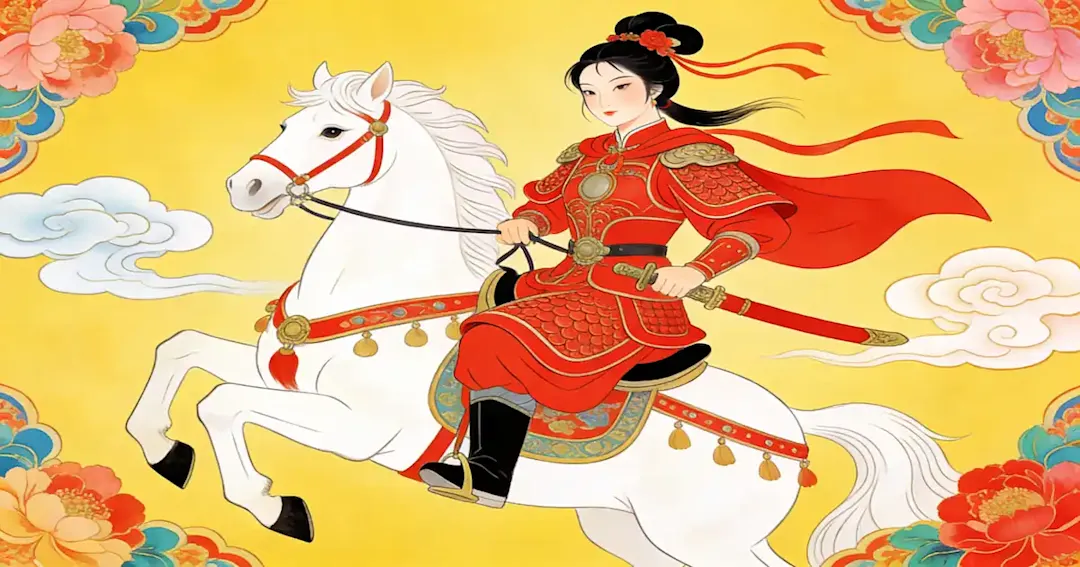
4 A real Shang story: Fu Hao, the warrior queen
If you want one Shang Dynasty story that instantly makes the era feel human, it’s Fu Hao (妇好).
Her tomb (from the time of King Wu Ding )contained more than 200 bronze ritual vessels, and many bronzes were inscribed with her name—showing her ritual and social status.
That detail matters because it’s not vague legend. It’s archaeology.
When learners ask, “Was Shang society just kings and priests?” Fu Hao is one answer: power could be personal, named, and real.
And honestly, this is the kind of “extra detail” most school textbooks either skip or mention in one line.
If you want to explore more beyond-the-textbook knowledge like this, you can learn with LingoAce. In a good live class, culture isn’t a separate topic—it becomes the reason your child actually wants to speak Chinese in full sentences, not just memorize words.

5 The capital of Yin Xu: a place you can still visit (and it’s UNESCO-listed)
When people say “Shang Dynasty,” many are really thinking about Yinxu (殷墟).
UNESCO’s World Heritage listing describes Yin Xu as the first confirmed site of a capital in Chinese history, supported by historical documents, oracle bone inscriptions, and archaeological excavations.
That’s huge. It means the Shang isn’t floating in myth.It’s anchored to a real place.If you’re writing a culture blog, this is one of the most “authority-friendly” facts you can include, because it’s clean, verifiable, and impressive.
6 “Daily life” in the Shang: what did ordinary people do?
We know the most about Shang elites because tombs and inscriptions tend to preserve elite life. But we can still glimpse daily realities:
Farming supported the state
Craft specialists produced bronzes and tools
Warfare existed alongside ritual life
Cities were organized around authority and ceremony
So yes—Shang life was spiritual. But it was also strategic, economic, and structured.
7 A sensitive topic, explained responsibly: sacrifice
Many reliable sources note that Shang ritual life included human and animal sacrifice in certain contexts, and archaeological finds at Yinxu include remains related to those practices.
For a culture-learning blog, the best approach is:
don’t sensationalize it
don’t skip it
explain it as part of a Bronze Age ritual system
History.com also discusses Shang objects that reveal life and ritual practice, including evidence connected to executions and sacrifice contexts.
You can phrase it like this in your blog:“Shang rituals could be intense by modern standards, but they were tied to how people understood order, protection, and communication with ancestors.”That keeps the tone informed and respectful.

Beginner-friendly Shang Dynasty vocabulary recap
Here’s a compact list you can reuse as a mini chart in your blog:
商朝 — Shang Dynasty
殷墟 — Yinxu / Yin Ruins
甲骨文 — oracle bone script
占卜 — divination
祭祀 — sacrifice/ritual offerings
祖先 — ancestors
青铜 — bronze
礼器 — ritual vessel
王 — king
文字 — writing
Two simple sentences learners can say:
商朝很重要。 (Shāngcháo hěn zhòngyào.) — The Shang Dynasty is important.
甲骨文是最早的中文书写之一。 (Jiǎgǔwén shì zuìzǎo de Zhōngwén shūxiě zhī yī.) — Oracle bone script is one of the earliest forms of written Chinese.