If you’ve ever asked “What does shi mean in Chinese?”, you’re not alone—and you’re not missing something obvious. Shi is one sound in pinyin that can map to many different Chinese characters, and the meaning changes with the tone and the context.
This guide is built for real life: quick lookups, kid-friendly examples, and memory cues you can actually use. You’ll get a top-10 “save this” list, a cheat-sheet table, and 35 of the most confusing “shi” characters organized by tone—plus a short practice plan you can run in 10 minutes a day.
Top 10 “Shi” Characters See the Most
When people search shi meaning in Chinese, they usually bump into these first. If your child learns these ten well, a lot of early reading and speaking gets smoother.Use this when you need a fast “what does this shi mean?” answer—without a deep grammar lesson.
Character | Pinyin (Tone) | Meaning | Common Mix-Up | Kid-Friendly Mini Sentence | Fast Memory Cue |
是 | shì (4) | is/are | 事 / 十 | 他是我朋友。 He is my friend. | Looks like a “sun” above a “correct” shape |
事 | shì (4) | thing/matter | 是 | 今天有事。 I have something today. | Extra “strokes” = extra “stuff” going on |
十 | shí (2) | ten | 土 | 十个苹果。 Ten apples. | Simple cross = countable number |
时 | shí (2) | time | 诗 | 几点钟? What time? | Has 日 (sun) = time/day |
师 | shī (1) | teacher | 帅 | 老师来了。 The teacher is here. | 巾 “towel” in the middle: “uniform” vibe |
诗 | shī (1) | poem | 时 | 我喜欢古诗。 I like ancient poems. | 言 (speech) = words |
室 | shì (4) | room | 宅 | 我在教室。 I’m in the classroom. | 宀 (roof) = inside a place |
市 | shì (4) | city/market | 师 | 我住在市里。 I live in the city. | Looks like a “sign” hanging (market/city) |
试 | shì (4) | try/test | 式 | 我们考试。 We take a test. | 讠(speech) = “say/try” it out |
食 | shí (2) | food/eat | 饭 | 我吃食物。 I eat food. | Top looks like a “lid” over food |
Keep this table bookmarked. It saves time during homework, and that alone can change whether a child ends practice in frustration or confidence.

“Shi” by Tone: Confusing Characters, Explained
The Real Reason “Shi” Feels Impossible: It’s Four Buckets, Not One Word
Instead of thinking “shi has many meanings,” think: There are four different shi sounds (tones). Each tone has its own common characters.
Bucket 1 — shī (1st tone): people/poetry/animals show up a lot
Most useful for kids:
师 (shī) teacher (in 老师)
诗 (shī) poem
狮 (shī) lion Also common but less urgent at first: 失 (shī) lose, 湿 (shī) wet
Bucket 2 — shí (2nd tone): counting/time/knowledge
Most useful:
十 (shí) ten
时 (shí) time/when
识 (shí) recognize/know
食 (shí) food/eat Also appears in reading: 实 (shí) real/fact, 石 (shí) stone
Bucket 3 — shǐ (3rd tone): “make/use/start/drive” verbs
Useful:
使 (shǐ) to make/cause/use
始 (shǐ) to begin
驶 (shǐ) to drive
史 (shǐ) history
Bucket 4 — shì (4th tone): identity, places, trying, showing
Most useful:
是 (shì) is/are
事 (shì) matter/thing
室 (shì) room
市 (shì) city/market
试 (shì) test/try
示 (shì) indicate/show
视 (shì) watch/view
适 (shì) suitable
And if you or your child needs real-time pronunciation correction and a structured progression—especially with tones—many parents prefer a guided program. A LingoAce Chinese course trial lesson can be a simple way to get a teacher to correct “shi” tones and character usage before mistakes become habits.
The Look-Alike Trap List: Quick Pair Fixes
These are the pairs that cause the most homework meltdowns.
是 vs 事 If the sentence is identity (“X is Y”), it’s 是. If it’s “a thing/matter,” it’s 事.
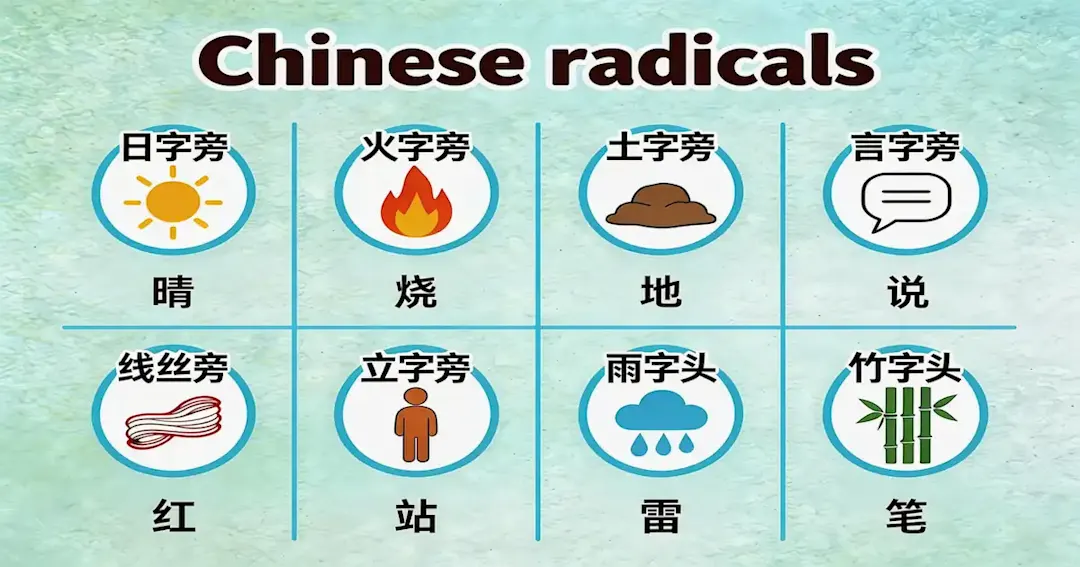
时 vs 诗 “Time” has 日 (sun): 时. “Poem” has 言 (words): 诗.
实 vs 室 “Real/fact” is 实. “Room/place” has a roof 宀: 室.
试 vs 式 “Test/try” uses 讠 (speech): 试. “Style/type” is 式.
师 vs 市 Teacher 师 is people-related; city/market 市 is place-related. Train the eye, not just the ear.
If your child keeps mixing the same two, don’t add more characters that week. Fixing one pair can be more valuable than memorizing ten new ones.
FAQ: Quick Answers Parents Actually Need
Does “shi” always mean “is”? No. 是 (shì) can mean “is/are,” but “shi” can also be ten (十), time (时), teacher (师), poem (诗), room (室), and more. The tone and character decide the meaning.
How do tones change meaning? In Mandarin, the tone is part of the word. shī, shí, shǐ, and shì can be completely different words, even if pinyin looks similar.
What’s the fastest way to stop guessing from pinyin? Make your child explain the choice using a visual clue (“This has 日 so it’s time”). That shifts them from guessing to reasoning.
Should my child memorize all at once? No. Start with the Top 10, then add 5–8 per week based on what they actually see in class or reading.
Conclusion
If you came here searching shi meaning in Chinese, the biggest takeaway is this: don’t chase a single translation. Learn shi as a family of high-frequency characters, and build quick “spot the difference” habits. That’s how kids stop mixing up 是/事 and start reading with confidence.
If you want help turning this into a consistent routine—with a teacher who can correct tones and guide what to learn next—consider booking a LingoAce trial lesson. It’s an easy next step for families who want progress without the nightly stress.