Beijing, the ancient capital with a history spanning millennia, bears witness to countless historical changes. At the heart of this city lies a unique and storied architectural gem— the Hutong Courtyards.
Hutong Courtyards: Royal Elegance and Folk Wisdom
The history of the Hutong Courtyards can be traced back to the Yuan Dynasty when Beijing served as the capital, attracting numerous officials and nobles. To showcase their status and wealth, they built these courtyards known as "siheyuan." Over time, this architectural style gradually spread to the common folk, becoming the primary residential form for old Beijing residents. The layout of the siheyuan is precise, and its architectural style unique, reflecting not only the royal elegance of ancient times but also the folk wisdom and craftsmanship of artisans.
Perfect Integration of Tradition and Ingenuity
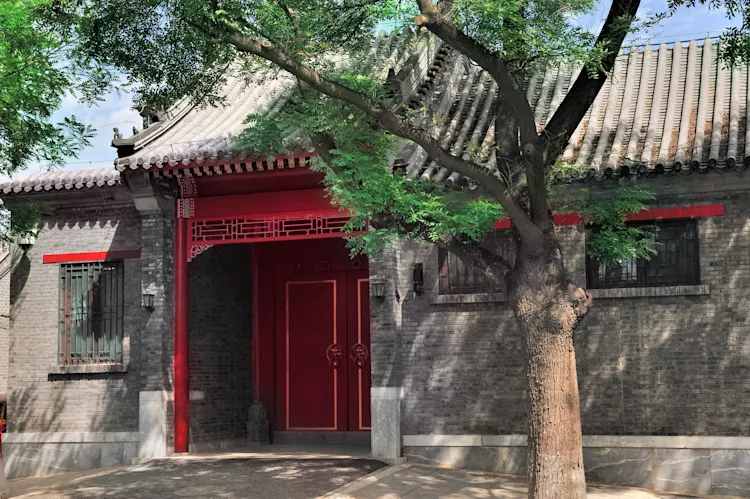
Stepping into a Hutong Courtyard, you'll be captivated by its ancient charm. From the main gate to the decorative screens, from the northern rooms to the southern rooms, every detail exudes traditional charm. The plaques above the gates and the carvings on the lintels reflect the ancient Chinese emphasis on etiquette and culture. Meanwhile, the brickwork, woodcarvings, and painted decorations within the courtyard showcase the pursuit of architectural artistry and ingenuity by old Beijing residents. Here, you can experience the fusion of tradition and modernity, the collision of history and reality.
The Cozy Daily Life and Historical Heritage in the Courtyard
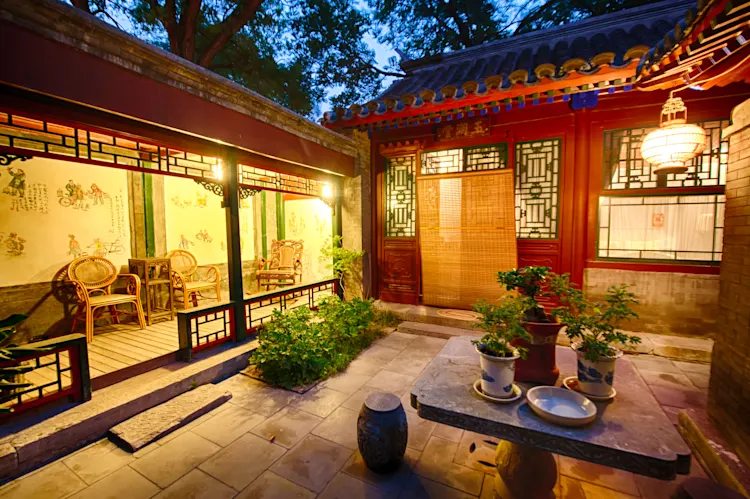
The Hutong Courtyard is not just a place of residence; it's the heart and soul of old Beijing families. Here, family members live together, pass down their cultural heritage, and share stories of generations past. Scenes like roasting sweet potatoes by the fire in winter or chatting in the courtyard to beat the summer heat may seem ordinary, but they embody the warmth of home and the beauty of life.
Integration of Past and Present, Radiating New Life
With the passage of time, Hutong Courtyards face new challenges and opportunities. Some old Beijing residents have transformed these courtyards into guesthouses or cultural spaces, allowing more people to experience the lifestyle of old Beijing. This integration of tradition and modernity not only preserves the historical charm but also revitalizes the courtyards with new energy and allure.
Conclusion
The Hutong Courtyards in Beijing's alleyways are treasures of history and culture. They have witnessed the city's rise and fall, as well as the legacy and memories of countless families. Here, we can not only feel the profound historical heritage and unique cultural charm but also appreciate the wisdom and craftsmanship of old Beijing residents. So, next time you visit Beijing, take a stroll through the alleyways and explore these time-honored Hutong Courtyards. Trust me, it will be an unforgettable experience!
Want your child to learn Chinese in a fun and enjoyable atmosphere? LingoAce offers a world-class Chinese learning experience suitable for overseas Chinese, mixed-race children, and global bilingual families. Click here to start your Chinese learning journey and claim your free trial class!