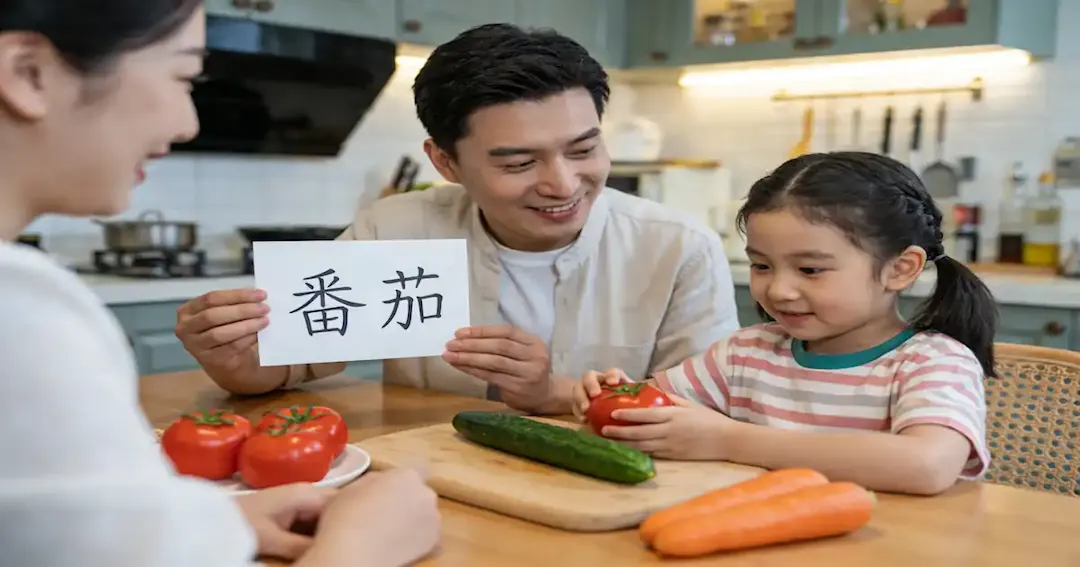

A Short Explanation of the HSK Test
The HSK (Hanyu Shuiping Kaoshi) is the official Chinese proficiency test for non-native speakers. It is divided into six levels, from HSK 1 to HSK 6, with HSK 1 designed for complete beginners and HSK 6 representing advanced academic proficiency.
Rather than testing how much learners can produce, the early HSK levels focus on basic understanding—especially listening and reading in everyday contexts.HSK 1 is the entry point to this system, and often the first time learners who want to learn chinese see how Chinese proficiency is formally measured.
Why HSK 1 Is Often the Starting Line
For many learners, HSK 1 is the first official sign that studying Chinese has become “real.”
It’s usually recommended early:
Teachers mention it as a beginner goal
Parents hear it’s “easy” and suitable for kids
Learners see it as a confidence boost
On paper, HSK 1 looks simple.The vocabulary list is short. The test is brief.There’s no speaking or writing section.But HSK 1 is more than a basic test. It quietly sets expectations for how Chinese should be learned, not just how it should be tested.Understanding what HSK 1 really measures can make the difference between starting Chinese smoothly and struggling later on.

What Is HSK 1?
HSK 1 is the first level of the Hanyu Shuiping Kaoshi, the official Chinese proficiency test for non-native speakers.
Understand very basic words and phrases
Follow simple spoken Chinese
Recognize common characters used in daily life
HSK 1 focuses entirely on listening and reading comprehension. It does not test speaking, writing, or sentence creation.This makes HSK 1 less about performance and more about basic understanding.
Who Is HSK 1 Designed For?
HSK 1 is best suited for:
Complete beginners
Children learning Chinese as a second language
Learners with a few months of structured study
It’s not designed for learners who can already hold conversations or read longer texts comfortably.For many families, HSK 1 works best as a checkpoint, not a finish line.
HSK 1 Exam Format: What Beginners Actually Face
HSK 1 has a clear and simple structure:
Listening Section
Short phrases and mini-dialogues
Picture-based questions
Focus on meaning, not speed
Reading Section
Single words or very short sentences
Matching characters with images
No pinyin support
Total questions: 40 Test time: About 40 minutes.The format looks friendly, but it still requires real comprehension—especially for young learners.
The 150-Word Vocabulary List: Why It’s Misleading
HSK 1 officially includes 150 vocabulary words.
These words cover:
Numbers and time
Family members
Common verbs and actions
Everyday objects
But HSK 1 does not test words in isolation. It checks whether learners can:
Recognize words when spoken
Understand them inside short sentences
Distinguish similar sounds
This is often where beginners realize that knowing a word and recognizing it naturally are very different skills.

Why Listening Matters More Than Most Beginners Expect
Listening is often the hardest part of HSK 1.
The audio:
Is spoken at a natural pace
Comes without visual clues
Requires understanding overall meaning
Learners who focus mainly on reading or flashcards often feel unprepared.This is why many families find that guided listening practice—especially with teacher support—makes a noticeable difference. Structured programs such as LingoAce emphasize this balance early, helping beginners feel comfortable hearing real Chinese rather than just studying it on paper.
HSK 1 Is Not a Memorization Test
Although the content is basic, HSK 1 rewards:
Familiarity
Repeated exposure
Understanding patterns
It does not reward:
Rushing through vocabulary lists
Last-minute cramming
Isolated character recognition
Beginners who learn fewer words but meet them often—in stories, dialogues, and simple conversations—usually perform better.
How Beginners Should Prepare for HSK 1
Effective preparation for HSK 1 often includes:
Learning vocabulary in context
Listening to basic Chinese regularly
Practicing with HSK-style questions early
Short, consistent practice sessions tend to work better than long study marathons.Some families prefer structured learning paths where lessons naturally align with HSK expectations. In those cases, the test becomes a reflection of learning, not a source of pressure.
Common Mistakes at the HSK 1 Stage
Many learners struggle with HSK 1 for avoidable reasons:
Relying too heavily on pinyin
Skipping listening practice
Treating HSK 1 as “too easy” to prepare for
Addressing these habits early often prevents bigger difficulties at higher levels.
Official and Trusted HSK 1 Resources
If you’re looking for reliable information, these sources are widely recognized:
Chinese Testing International (HSK Official Website)
These resources work best when used as references rather than standalone study plans.
What Comes After HSK 1?
HSK 1 is only the beginning.After this level, learners typically:
Expand vocabulary quickly
Encounter longer sentences
Rely much more on listening comprehension
A solid HSK 1 foundation makes the move to HSK 2 smoother and less stressful.
Final Thoughts: What HSK 1 Really Represents
HSK 1 may be the first test, but it carries long-term influence.
It shapes how learners:
Approach Chinese
Build habits
Develop confidence
When beginners understand what HSK 1 truly tests—and prepare accordingly—it becomes more than an exam.It becomes the right way to start learning Chinese.After HSK 1, many learners naturally ask what comes next.
HSK 2 builds on the same test format but quietly raises expectations. The vocabulary list doubles, sentences become slightly longer, and listening requires more sustained attention.For beginners, this is often the first moment when Chinese stops feeling like individual words and starts feeling like a connected language.
That’s why a solid HSK 1 foundation matters. When learners truly understand the basics at this stage, the move to HSK 2 feels like a smooth step forward—not a sudden jump.