Hey, everyone! Today, we're going to take you on a journey through time, strolling through the enchanting world of Beijing's hutongs. Beijing hutongs are not just alleys; they carry the echoes of the city's thousand-year history, holding rich cultural treasures. Let's unveil the mysterious veil of this city together!
Origin of Hutongs
Let's start by unraveling the origin of Beijing hutongs! The term "hutong" originates from the Mongolian word "hodong," meaning a water well. In the Yuan Dynasty, Beijing, as the undisputed capital, adopted a chessboard-style layout, and hutongs evolved as the connecting passages between the city's streets and residential areas, gradually forming the maze we are familiar with today. The diverse names of hutongs reflect the city's history, geography, culture, and social ambiance, essentially creating a three-dimensional map of the city.
Cultural Significance of Hutongs
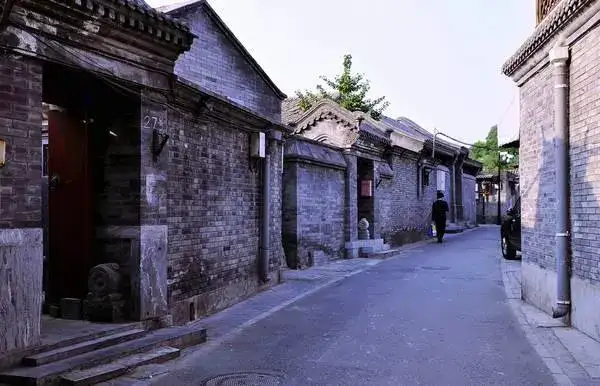
Don't think of hutongs as just walls and doors; they are the "encyclopedia" of Beijing's culture! Each blue stone slab, every wooden door, acts like a small expert narrating ancient stories. Walking through hutongs feels like time travel, immersing you in the strong Beijing flavor and historical ambiance. The lives of hutong residents paint a picture of Beijing life, where they have experienced countless seasons, leaving behind numerous beautiful memories. The hutong's small food stalls, teahouses, and theaters are a microcosm of old Beijing life. You can savor authentic Beijing snacks, enjoy traditional Peking opera performances, and experience the warmth and openness of Beijing locals.
Most Famous Beijing Hutongs
Beijing hutongs have quite a reputation! Here are some standout ones:
Nanluoguxiang: The superstar among Beijing hutongs, known as the "literary and artistic haven of hutongs." It houses creative shops, cafes, and art studios, attracting many young artists and tourists.
Juer Hutong: Renowned for its unique courtyard architecture and tranquil atmosphere, it was once the residence of cultural celebrities and still maintains its quaint charm.
Wudaoying Hutong: Combining a unique historical atmosphere with trendy elements, this hutong features both traditional courtyards and fashionable shops and restaurants, making it a favorite gathering spot for young people.
Caochang Hutong: Located in the southern part of Dongcheng District, known as the "grass factory" during the Ming Dynasty, as it was a feed yard for official horses. The hutong boasts many trendy shops, representing a hub of fashion.
Guijie: Although it carries the word "jie" (street) in its name, Guijie is, in fact, a hutong brimming with old Beijing charm. It is renowned for its delicious food, including various authentic Beijing snacks like Zhajiangmian (fried sauce noodles) and Peking duck.
Conclusion
Beijing hutongs are truly the city's treasures! They not only bear the memories of history but also witness the transformations of the city. In this fast-paced urban life, stepping into hutongs allows you to feel the deep and ancient cultural heritage, revealing that this city has even more beautiful facets.
If you want your children to learn Chinese in a relaxed and enjoyable atmosphere, why not try LingoAce's world-class Chinese learning experience? Suitable for children of overseas Chinese, mixed-race families, and global bilingual households. Click here to start your Chinese learning journey and claim your free trial class!