Introduction
In distant overseas lands, the children of Chinese communities can still hear echoes from their ancestral homeland, resonating through the sound of an ancient Chinese toy—the rattle-drum. This simple plaything is not just a symbol of childhood joy, but also a miniature of Chinese culture. This article delves into the cultural stories behind the rattle-drum and discusses its potential role in learning Chinese, especially towards the end, guiding overseas Chinese closer to this ancient and fascinating traditional Chinese toy.

The History and Origin of the Rattle-Drum
The rattle-drum, a name that resonates within Chinese communities, always evokes a sense of childhood warmth. Its history dates back to the Han Dynasty in China, where it was initially used as a ritual instrument to ward off evil spirits and bring good fortune. According to the "Book of the Later Han · Arts and Literature," the rattle-drum first appeared during the Han Dynasty, known then as "Ji Gu," and was used in religious ceremonies. Over time, the rattle-drum gradually transitioned from the royal courts to the common folk, becoming a beloved toy.
In ancient times, the craftsmanship of the rattle-drum was exquisite, reflecting the ingenuity and skill of Chinese artisans. Traditional rattle-drums were made from bamboo strips, paper, and strings. Craftsmen would create a frame from bamboo strips, wrap it with colored paper, and attach small beads on both ends. When the drum's handle was shaken, the beads would strike the drum surface, producing a pleasant sound. This sound, as described by the ancient poet Bai Juyi in "The Pipa Song," is clear and melodious, like "large and small pearls falling on a jade plate," bringing delight to the listener.
The Cultural Significance of the Rattle-Drum
The rattle-drum is more than just a toy; it carries profound cultural significance. During traditional Chinese festivals such as the Spring Festival and the Mid-Autumn Festival, the rattle-drum is often part of the celebrations, symbolizing good fortune and joy. Children waving rattle-drums, swaying to the rhythm, create a joyful scene that becomes a beautiful part of the festivities. As the Song Dynasty poet Su Shi wrote in "Presenting to Liu Jingwen," the rhythm of the rattle-drum, accompanied by laughter, reflects the festive atmosphere of the holidays.
Different regions have their own styles and characteristics in making rattle-drums. For example, Sichuan's rattle-drums are brightly colored, with patterns often depicting folk stories and traditional totems, while those from Jiangsu focus on smooth lines and simplicity in design. These regional differences not only showcase the diversity of local cultures but also enrich the artistic value of the rattle-drum itself.

The Rattle-Drum and Parent-Child Interaction
In modern society, the significance of the rattle-drum has transcended its role as a mere toy. It has become an important tool for parent-child interaction. Parents teaching their children how to play the rattle-drum not only strengthen their emotional bond but also impart knowledge about rhythm and coordination through play. The simplicity of the rattle-drum makes it an indispensable part of family gatherings and festive celebrations, providing a fun platform for building parent-child relationships.
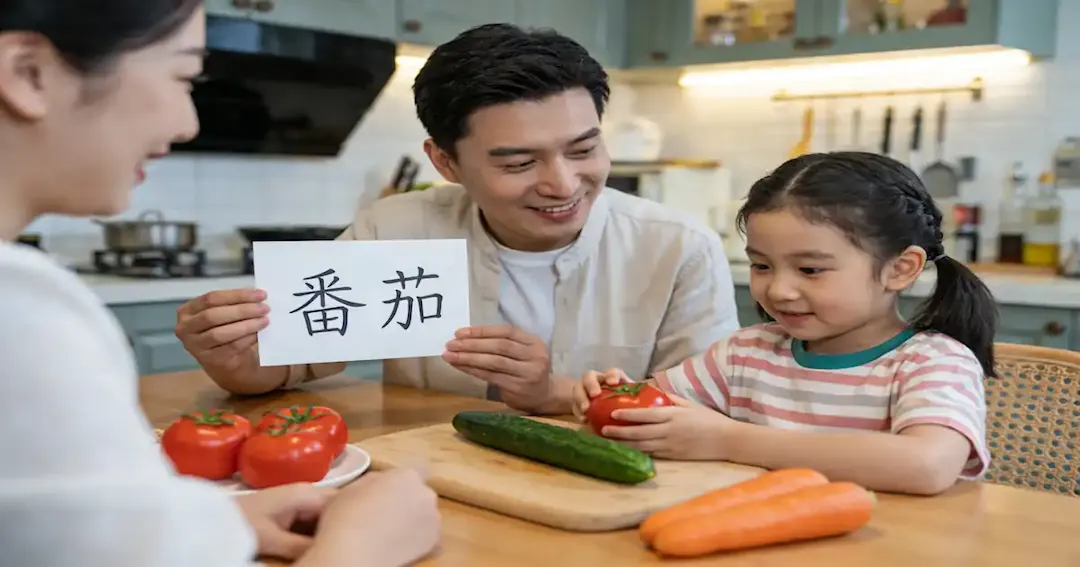
In the realm of language enlightenment, the rattle-drum can serve as an engaging teaching aid, sparking children's interest in Chinese. For instance, parents can affix Chinese characters or words onto the rattle-drum, allowing children to learn to recognize them while playing. This method enables children to learn Chinese in a relaxed and enjoyable environment, enhancing their memory skills.
Moreover, the rattle-drum can also act as a medium for storytelling about China. Parents can narrate traditional Chinese tales such as "Journey to the West" or "Romance of the Three Kingdoms" while rhythmically shaking the rattle-drum, immersing children in the stories while they are exposed to and learn Chinese. This interactive learning approach not only improves children's listening and comprehension skills but also fosters a deep interest in Chinese culture. As the old saying goes, "Give a man a fish and you feed him for a day; teach a man to fish and you feed him for a lifetime." Through cultural carriers like the rattle-drum, children learn not just the language, but also the cultural significance behind it.
Conclusion
As an ancient Chinese toy, the rattle-drum carries not only rich cultural connotations but also plays a significant role in education and entertainment in modern society. For overseas Chinese families, the rattle-drum is not just a link to their cultural heritage but also a fun tool for enhancing parent-child relationships and assisting in learning Chinese. Through the rattle-drum, we can pass on the essence of Chinese culture to the next generation in a light-hearted way, allowing the essence of Chinese culture to continue to shine around the world.
Consider letting your child learn Chinese! Chinese is the gateway to China's long history and unique culture.
At LingoAce, each course is the result of our team's over a hundred hours of course design, textbook production, simulated teaching, teacher training, and quality control. We invite you and your child to participate in a free trial class and experience LingoAce's extraordinary Chinese learning experience firsthand!