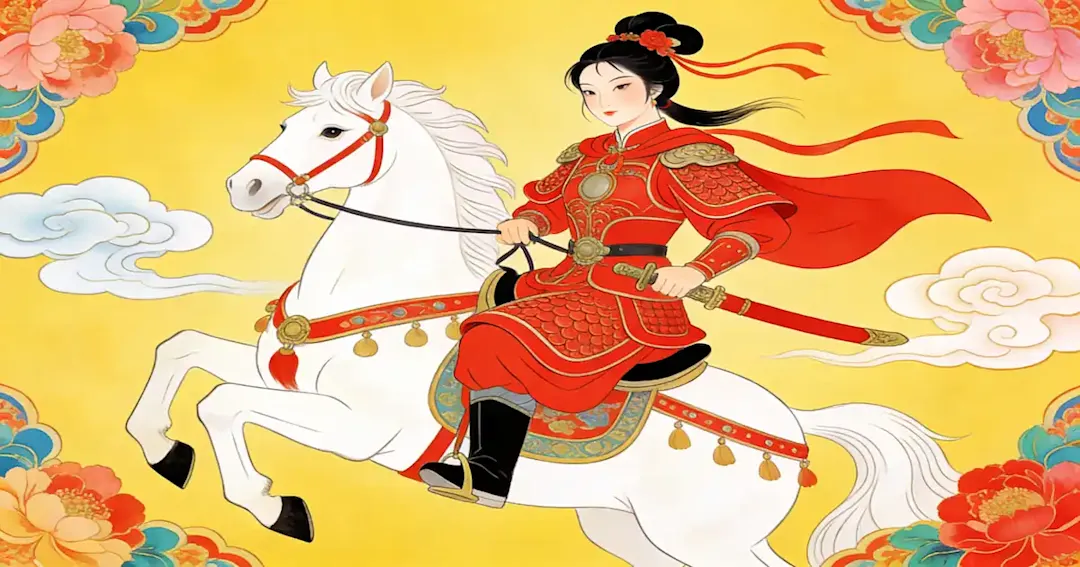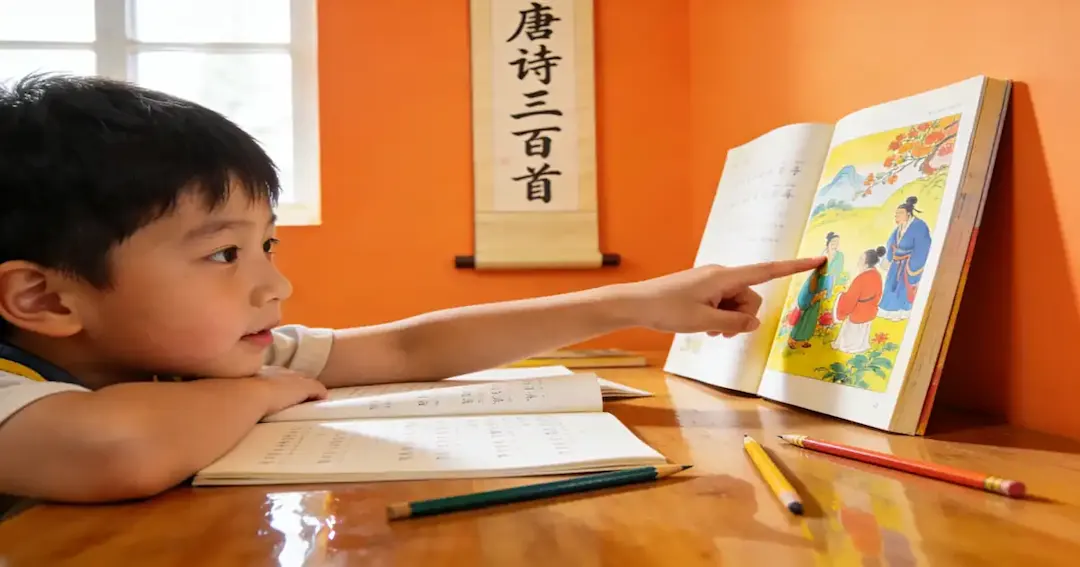

For many learners of Chinese, poetry can feel distant. The language seems condensed, the images unfamiliar, and the cultural references easy to miss. Yet among all Chinese poets, Li Bai (李白) often feels surprisingly approachable.
His poems are quoted by children, sung in songs, and remembered long after school years are over. More than a historical figure, Li Bai has become a symbol of imagination, freedom, and emotional honesty in Chinese culture.
To understand Chinese poetry—and Chinese cultural values more broadly—Li Bai’s poems offer a powerful starting point.
Who Was Li Bai?
Li Bai lived during the Tang Dynasty (618–907), a period often described as the golden age of Chinese poetry. While many poets of his time focused on social duty or political reflection, Li Bai stood apart.
He was known for:
A love of travel and nature
A strong sense of personal freedom
A romantic, sometimes rebellious spirit
Rather than carefully polished court poetry, Li Bai favored vivid images and emotional expression. This personality shaped both his life and his writing.

Why Li Bai’s Poems Feel Different
One reason Li Bai’s poems remain popular is their clarity of feeling. Even when readers don’t understand every word, they often sense the emotion.
His poetry often features:
Mountains, rivers, and the moon
Friendship and separation
Wine, solitude, and wandering
These themes are universal, which helps modern readers connect with poems written over a thousand years ago.
Nature as More Than a Background
In Li Bai’s poems, nature is never just scenery.The moon, for example, appears again and again—not simply as an object in the sky, but as a companion. Mountains are not just landscapes; they represent freedom and distance from worldly concerns.
This way of using nature reflects a broader Chinese cultural idea: the natural world mirrors inner emotions. Understanding this idea helps learners read Chinese poetry with more sensitivity.
Simplicity That Hides Depth
Li Bai’s language often looks simple on the surface. Many of his poems use common words and short lines. This simplicity is one reason his work is introduced early in Chinese education.
But beneath that simplicity lies depth:
A few characters suggest wide spaces
A single image implies a complex emotion
Silence often speaks as loudly as words
For learners, this teaches an important lesson: Chinese meaning is not always explicit. What is left unsaid matters.
Li Bai’s Influence on Chinese Culture
Li Bai’s poems are not confined to literature textbooks. They appear throughout Chinese cultural life.
You can find his lines:
In calligraphy and painting
In music and television
In everyday conversation and idioms
Quoting Li Bai is a way to express emotion indirectly, with elegance and shared cultural understanding.
Why Li Bai Matters to Chinese Learners
For Chinese learners, Li Bai’s poems offer more than historical knowledge.
They help learners:
Understand how emotion is expressed indirectly
See how imagery replaces explanation
Recognize cultural values like freedom, friendship, and reflection
Reading Li Bai encourages learners to move beyond literal translation and begin reading between the lines.
Common Misunderstandings About Li Bai’s Poetry
Many learners believe Chinese poetry must be memorized to be appreciated. This is a misunderstanding.Li Bai’s poems are not puzzles to solve. They are experiences to feel.
Another misconception is that poetry is separate from daily language. In fact, many expressions and metaphors used today come directly from classical poems.

Learning Chinese Through Poetry, Not Memorization
Poetry is often feared because learners feel pressure to understand every character.But effective learning happens differently.
When poetry is introduced alongside:
Cultural background
Visual imagery
Guided interpretation
Learners begin to understand meaning naturally.This is why some structured learning programs, such as LingoAce, include poetry and cultural texts as part of a broader learning path. Instead of treating poems as isolated content, they are used to build cultural awareness and language intuition.
How Li Bai Reflects Chinese Cultural Values
Li Bai’s poems reveal values that remain important in Chinese culture today:
Emotional restraint paired with deep feeling
Admiration for nature and simplicity
Respect for personal freedom
Understanding these values helps learners interpret not only poetry, but also modern Chinese communication styles.
Is Li Bai Still Relevant Today?
Despite changes in language and society, Li Bai remains widely read.
His poems continue to resonate because:
They speak to universal emotions
They allow personal interpretation
They avoid rigid moral lessons
In a fast-moving world, Li Bai’s voice feels calm, honest, and human.
Final Thoughts: Why Li Bai Still Matters
Li Bai’s poems are not meant to be rushed or decoded line by line.They are meant to be read slowly, felt deeply, and revisited over time.
For learners of Chinese culture, Li Bai offers a reminder that language is not only about communication—but also about perspective, emotion, and imagination.