Introduction:
In the five thousand years of Chinese civilization, intangible cultural heritage plays an essential role. These heritages are not only witnesses to history but also bridges for cultural transmission. Among these cultural treasures, ancient ceramic craftsmanship, with its exquisite techniques and profound cultural connotations, shines as a brilliant pearl in China's intangible cultural heritage. This article will take you on a journey into the land of porcelain, exploring the intangible heritage of ancient Chinese ceramic arts, experiencing the charm of this traditional art, and discussing its inheritance and development in contemporary times.
Ancient Ceramic Craftsmanship: History and Development:
China is one of the earliest countries in the world to invent porcelain. From the primitive pottery of the Neolithic Age to the celadon of the Han Dynasty, and then to the white porcelain of the Tang and Song dynasties, the development of Chinese ceramic craftsmanship is like a fascinating historical scroll. Over these long years, Chinese ceramic arts have continuously improved, forming a unique style and technical system.
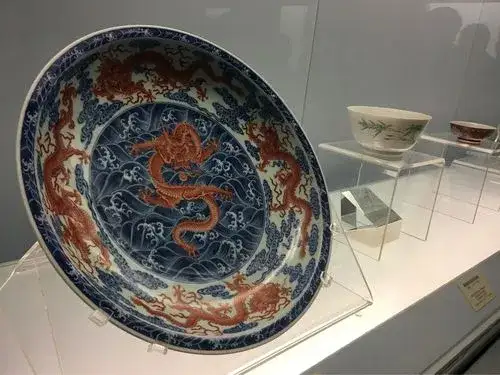
During the Song Dynasty, Chinese ceramic art reached its peak, with the five famous kilns—Ru, Guan, Ge, Ding, and Jun—being the most renowned. Their porcelain is known for its pure glaze, elegant shape, and simple decoration, and is hailed as a "national treasure." In the Ming and Qing dynasties, Jingdezhen became the center of porcelain manufacturing. Its production of blue and white porcelain, famille rose porcelain, and enamel porcelain pushed Chinese ceramic craftsmanship to new heights.
The Craftsmanship of Ancient Chinese Ceramics:
The craftsmanship of ancient Chinese ceramics is a profound art. First and foremost, selecting high-quality raw materials is the foundation for making fine porcelain. Ancient craftsmen would meticulously choose high-quality clay, refining and blending it carefully to ensure the porcelain's durability and delicacy.
Shaping is a critical step in the making of ceramics. Craftsmen used various techniques such as hand-throwing, mold-pressing, and coiling to shape the clay into various forms of vessels. After shaping, the ceramics needed to be decorated, which included carving, painting, and appliqué, making each piece of porcelain unique.
Firing is the final and most crucial step in ceramic craftsmanship. Ancient kilns were of various types, including dragon kilns, cave kilns, and official kilns, each with its unique control of temperature and atmosphere. During the firing process, the temperature's rise and fall and the changes in the oxidizing and reducing atmosphere had a decisive impact on the color and texture of the porcelain.
The Cultural and Artistic Value of Ancient Ceramic Craftsmanship:
Ancient Chinese ceramics are not just everyday objects; they are carriers of culture and expressions of art. Each piece of porcelain contains profound cultural significance, reflecting the aesthetic tastes and cultural pursuits of the society at the time. For example, the simplicity and elegance of Song Dynasty celadon reflect the literati's yearning for nature and a simple life.
The patterns and decorations on porcelain often carry symbolic meanings. For instance, the dragon and phoenix represent auspiciousness and power, while the lotus symbolizes purity and elegance. These motifs not only beautify daily life but also convey rich cultural messages. Furthermore, the craftsmanship of ancient Chinese ceramics has had a profound impact worldwide. The trade of Chinese porcelain facilitated cultural exchanges between the East and West and was known as the "messenger on the Silk Road."
In contemporary times, the art of ancient ceramics continues to be cherished and sought after. Whether it's the precious collections in museums or the high-priced items in auction houses, the enduring charm of ancient ceramic craftsmanship is evident. The collection and appreciation of porcelain have become a cultural phenomenon, attracting more and more people to explore and learn.
The Inheritance and Protection of Ancient Ceramic Craftsmanship:
As time progresses, many traditional ceramic techniques face the risk of being lost. Fortunately, the Chinese government and cultural institutions have recognized this issue and have included some important ceramic techniques in the list of China's intangible cultural heritage to strengthen their protection and inheritance.
In terms of inheritance, some of the older generation of ceramic masters have taken on the role of transmitters. They not only insist on using traditional techniques to create porcelain in their studios but also teach young people in schools and communities. Through such efforts, ancient ceramic craftsmanship continues to be passed down to new generations.
However, the protection and inheritance of traditional ceramic techniques still face many challenges. How to maintain tradition while attracting modern interest, and how to preserve the purity of the craft in the face of market economy pressures are questions that require collective contemplation and effort.
Conclusion:
Through this journey of exploration, we have gained a deeper understanding of ancient Chinese ceramic craftsmanship and have felt the unique charm of this intangible cultural heritage. As overseas Chinese, learning Chinese not only helps us better understand these traditional arts but also allows us to establish a deeper connection with our cultural heritage.
In this era of cultural integration, let us work together not only to protect and pass on intangible cultural heritages like ancient Chinese ceramic craftsmanship but also to share this treasure with people around the world. By learning Chinese, we can more profoundly appreciate the breadth and depth of Chinese culture and pass this cultural wealth on to future generations.
Consider letting your child learn Chinese! Chinese is the gateway to China's long history and unique culture.
At LingoAce, each course is the result of our team's over a hundred hours of course design, textbook production, simulated teaching, teacher training, and quality control. We invite you and your child to participate in a free trial class and experience LingoAce's extraordinary Chinese learning experience firsthand!