Learning Chinese can be an exciting adventure, especially for kids who are just beginning their language journey. While learning everyday vocabulary words is important, phrases are just as essential to help kids communicate more naturally. Learning everyday phrases in Mandarin Chinese can help kids build confidence and communication skills. From greetings to expressing emotions, basic questions, and polite expressions, the key is to focus on phrases that kids can use right away in real-life situations—at home, in class, or with friends. Greetings and Introductions in Chinese Saying hello and introducing yourself are some of the most essential first steps in learning any language.
Here are a few must-know greetings:
你好!(Nǐ hǎo!) – Hello!
早上好!(Zǎo shàng hǎo!) – Good morning!
下午好!(Xià wǔ hǎo!) – Good afternoon!
晚安!(Wǎn ān!) – Good night!
我叫___。(Wǒ jiào ___.) – My name is ___.
你叫什么名字?(Nǐ jiào shénme míngzi?) – What’s your name?
Basic Politeness in Chinese
Teaching manners in any language is important. Here are some polite phrases that children can use in various situations:
谢谢!(Xièxie!) – Thank you!
不客气!(Bú kèqì!) – You’re welcome!
对不起。(Duìbuqǐ.) – I’m sorry.
没关系。(Méi guānxi.) – It’s okay / No problem.
请。(Qǐng.) – Please.
可以吗?(Kěyǐ ma?) – May I? / Can I?
Everyday Expressions in Chinese
These common everyday phrases are beneficial when kids are just starting to use Chinese as a functional language – at home or at school:
我饿了!(Wǒ è le!) – I’m hungry!
我渴了!(Wǒ kě le!) – I’m thirsty!
我要喝水。(Wǒ yào hē shuǐ.) – I want to drink water.
我累了。(Wǒ lèi le.) – I’m tired.
我要上厕所。(Wǒ yào shàng cèsuǒ.) – I need to go to the bathroom.
我不懂。(Wǒ bù dǒng.) – I don’t understand.
可以帮我吗?(Kěyǐ bāng wǒ ma?) – Can you help me?
Chinese Phrases for Mealtime
These phrases help kids express themselves in Mandarin during breakfast, lunch, or dinner.
我吃饱了。(Wǒ chī bǎo le.) – I’m full.
我还要。(Wǒ hái yào.) – I want more.
好吃!(Hǎo chī!) – Delicious!
我不喜欢这个。(Wǒ bù xǐhuan zhège.) – I don’t like this.
谢谢你做饭。(Xièxie nǐ zuò fàn.) – Thank you for cooking.
Chinese Phrases for Daily Routines Great for morning routines or talking through the day in Chinese at home or school.
我起床了。(Wǒ qǐ chuáng le.) – I’m awake / I got up.
我在刷牙。(Wǒ zài shuā yá.) – I’m brushing my teeth.
我要穿衣服。(Wǒ yào chuān yīfu.) – I want to get dressed.
我们出发吧!(Wǒmen chūfā ba!) – Let’s go!
我回来了!(Wǒ huí lái le!) – I’m back!
Chinese Phrases for Encouragement and Praise
Use these to help kids express positivity and build up each other in Mandarin.
你做得很好!(Nǐ zuò de hěn hǎo!) – You did a great job!
我相信你!(Wǒ xiāngxìn nǐ!) – I believe in you!
你太厉害了!(Nǐ tài lìhài le!) – You’re amazing!
继续努力!(Jìxù nǔlì!) – Keep trying!
我们一起加油!(Wǒmen yìqǐ jiāyóu!) – Let’s cheer each other on!
Emotions and Feelings in Chinese
Encouraging kids to share their feelings in Chinese can help them form deeper connections with the language. Here are some basic emotion phrases:
我很开心!(Wǒ hěn kāixīn!) – I’m very happy!
我很难过。(Wǒ hěn nánguò.) – I’m sad.
我生气了!(Wǒ shēngqì le!) – I’m angry!
我害怕。(Wǒ hàipà.) – I’m scared.
我爱你!(Wǒ ài nǐ!) – I love you!
In the Classroom in Chinese
These classroom-ready phrases are essential for creating a comfortable learning environment. If your child is learning Chinese at school or in a classroom, here are some key phrases they might use:
老师好!(Lǎoshī hǎo!) – Hello, teacher!
我可以去喝水吗?(Wǒ kěyǐ qù hē shuǐ ma?) – May I go drink water?
我可以上厕所吗?(Wǒ kěyǐ shàng cèsuǒ ma?) – May I go to the bathroom?
请再说一遍。(Qǐng zài shuō yí biàn.) – Please say it again.
请慢一点。(Qǐng màn yìdiǎn.) – Please speak more slowly.
我知道! (Wǒ zhīdào!) – I know (the answer)!
我不知道。(Wǒ bù zhīdào.) – I don’t know.
Playing with Friends in Chinese
These are perfect for group games, board games, or playground time. Here are some fun phrases that kids can use during playtime or group activities:
我们一起玩吧!(Wǒmen yìqǐ wán ba!) – Let’s play together!
轮到你了!(Lún dào nǐ le!) – It’s your turn!
好棒!(Hǎo bàng!) – Great job!
加油!(Jiā yóu!) – You can do it! / Go for it!
你赢了!(Nǐ yíng le!) – You won!
没关系,再来一次!(Méi guānxi, zài lái yí cì!) – It’s okay, try again!
Tips for Teaching Kids
These Chinese These useful Chinese phrases help kids move from memorizing vocabulary to actively using language in their everyday lives. By practicing these phrases regularly and integrating them into your child’s daily routine, you’ll help them form a strong foundation in Mandarin Chinese—one phrase at a time. Here are a few ways to make learning these phrases fun and memorable:
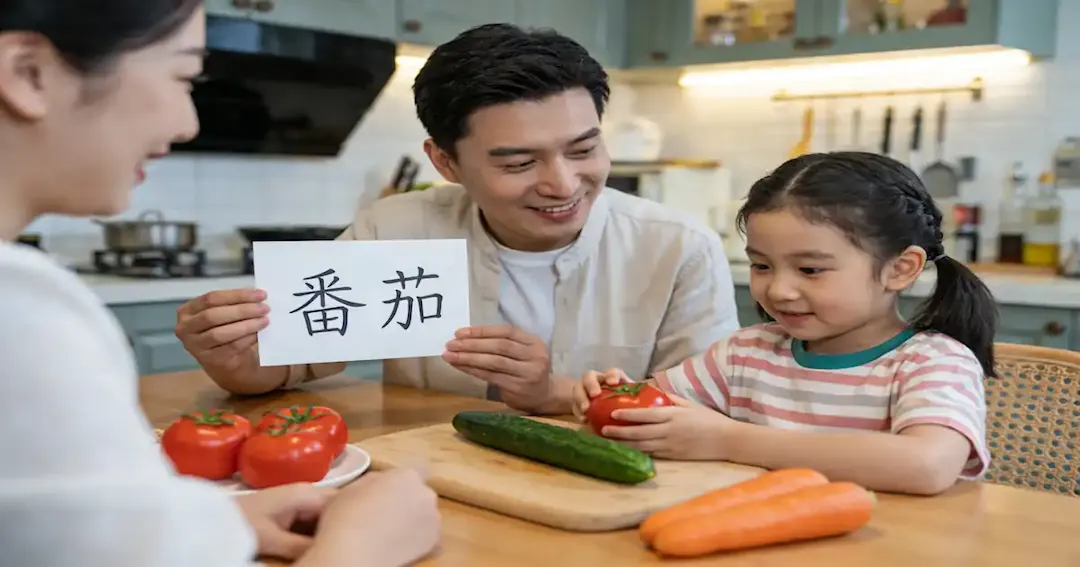
Use flashcards with images and Chinese characters.
Sing songs that include some phrases— plenty of children’s Chinese songs with useful expressions.
Act out scenes using roleplay (e.g., going to school, ordering food, playing games).
Incorporate phrases into daily routines—say “我饿了” before meals, or “晚安” at bedtime.
Make it a game—give points for using full sentences in real situations!
Looking for an online Chinese class for your kids to learn Mandarin and Chinese culture? LingoAce is one of the best ways for kids to learn Chinese online. Each one-on-one lesson is the product of nearly 200 hours of curriculum development, teacher training, and quality control. LingoAce classes are tailored to meet your child's learning needs. Experience a redefined Chinese learning experience and book a free trial class with us today.