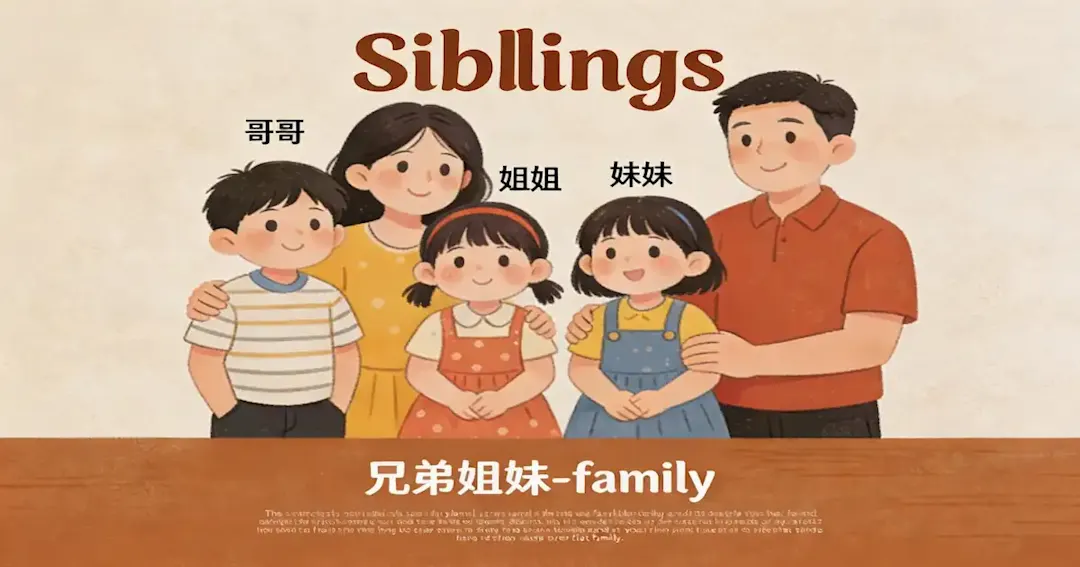
Many overseas Chinese parents feel that their child no longer needs to learn Chinese when they are living abroad. They might think that their child already has a strong foundation in Chinese, and that living in a Chinese-speaking home is sufficient to ensure they are fluent in the language. They might also have some questions and concerns. Will a bilingual education interfere with their child’s ability to learn English? Even worse, will it stunt their ability to learn both languages?
Thankfully, these misconceptions are not true. In fact, learning Chinese will provide your child with many cognitive benefits and forge a strong connection to their cultural heritage. In this article, we’ll address these misconceptions and the benefits your child will gain by learning Chinese while they are living overseas.
Benefits of learning Chinese for overseas Chinese children
1. Leverage the global need for Chinese.
Over the past decade, China’s economic growth and its rising position on the world stage have led to an increasing demand for people who can speak Mandarin Chinese. More and more non-Chinese people are learning Chinese — and there are tremendous opportunities for professionals that can serve as a bridge between the East and West. As a heritage speaker, your child has a unique opportunity to leverage their Chinese skills and cultural heritage in their future profession. It will help them become more competitive in the global job market and open more career pathways.
2. Enhance your child’s sense of cultural identity and belonging.
Learning Chinese is a great way for your child to better understand their own culture and heritage. Chinese language courses incorporate history, literature, art, food, and other aspects of Chinese culture. It also helps them better communicate with their family members back home and maintain familial connections despite the distance.
3. Bilingual brains have higher cognitive abilities.
There have been many studies about the benefits of bilingualism on cognitive development in children. Research shows that Bilingual brains have a stronger executive function. This means that children that speak two or more languages have a better sense of control, increased working memory, and enhanced cognitive flexibility. And we also know that the younger a child begins, the easier it is for them to learn a new language. In fact, children can distinguish between languages from birth — it’s a part of our innate human ability. Each language develops independent language systems in our brains, and in younger children, it’s much easier to distinguish the differences between each language they learn. This means you don’t have to worry about confusing your child. They will develop more abilities than their monolingual peers.
How Chinese language proficiency of Chinese heritage children can decline overseas
After immigrating overseas, your child’s language proficiency will likely decline. Yes, your family may speak Chinese at home, but their environment and most of their language input will be in English (or the language of the country you immigrated to). Because their main exposure to Chinese will be at home, your child’s overall vocabulary will be limited, and they will not learn as many new words as they would if you lived in China. As a result, language erosion is a huge issue for overseas Chinese children. Even if their Chinese was strong before immigrating, over time a lack of Chinese vocabulary, difficulty in expressing themselves in the language, and limited flexibility in Chinese will emerge.
In the first five years overseas, most families focus on their child’s ability to learn English (or the language of the country they are in). While they learn English in school and in their everyday environment, their Chinese proficiency drops rapidly. For school-age children not spending time learning and developing their Chinese, their proficiency will decline as their English improves.
In years 5-10 years overseas, your child will most likely only be able to communicate in simple Chinese sentences with limited writing proficiency, often making mistakes in their grammar and word usage. Although their accent will be perfect, their ability to communicate will be conversational at best. Many parents try to counter this by attempting to improve their child’s listening and speaking ability at home. However, they tend to struggle with helping their child read and write. Unfortunately, results tend to vary, and children start to form negative associations with learning Chinese and their cultural heritage.
After 10 years overseas, your child’s overall ability to learn any language starts to decline. Language learning is easiest for children ages 10 and below, so as your child ages, they will start to feel that Chinese is too difficult to learn. They may complain and give up on learning Chinese completely. What’s more unfortunate is that they might be unwilling or unable to engage or forge emotional connections with their family members back home due to the language barrier.
How do you combat language decline? We recommend signing up for LingoAce. Your child needs an engaging and proven approach to learning the language. We know that young children are prone to distraction and get bored easily, so LingoAce courses are designed with that in mind, with programs specifically tailored to meet the needs of Chinese children living in non-Chinese-speaking countries.

3 tips for parents of Chinese-heritage children
Tip #1. The earlier they learn Chinese, the better.
The earlier you start your child’s Chinese language learning journey, the better. Research shows that between 2-12 years old is the best time for a child to learn a second language. It’s important for you to seize this “golden period” of language acquisition and help your child become fluent in Chinese.
Tip #2. Create a Chinese-speaking home environment.
Create a Chinese-speaking environment at home as much as possible. Parents should communicate with their children in Chinese, and increase their child’s interest in the language through playing nursery rhymes, watching Chinese-language children's shows, reading Chinese-language picture books, and celebrating festivals together. Exposure to the language and the culture based on your child’s interests is key to keeping them motivated and using the language.
Tip # 3. Hire professionals.
It’s a difficult task to make sure your child is bilingual and fluent in both languages. Speaking Chinese at home will help, but oftentimes it’s not enough to combat language decline and ensure fluency in Chinese. Most parents become frustrated over their child’s lack of progress in Chinese and begin to ask themselves, Why are my children still unable to learn Chinese? What is the problem?
If you find yourself asking these questions, consider looking at online Chinese language courses. Language learning is an ongoing process that requires environmental immersion and professional teaching methods and guidance. LingoAce is a great solution, with 1-on-1, online Chinese language courses that are engaging and fun for your child. Our teachers are certified, and our award-winning curriculum is proven to build fluency in Chinese.

How does LingoAce teach overseas Chinese children?
LingoAce is the best way for kids to learn Mandarin Chinese. Our programs for all levels of learners, especially Chinese-heritage children, are engaging and effective. We know that each child is unique and has different language proficiency levels, learning goals, and personalities. Therefore, our courses offer a variety of teaching styles and courses that align with your child’s specific needs.
Preschool program for early learners
LingoAce’s preschool program is designed for 3 to 5 years-olds who speak Mandarin Chinese at home. Based on the Reggio Emilia approach, the program is designed to ignite your child’s interest in learning Chinese through games, animated storytelling, and songs. Within 2 months, you’ll see a noticeable improvement in their vocabulary and willingness to speak in Chinese.
Core program for beginners
LingoAce's Core program is designed for children who are learning Mandarin Chinese for the first time or have some exposure to the language at home. The curriculum covers everyday conversations and is intended to help learners build their abilities step-by-step under the guidance of a professional teacher through interactive multimedia. This program aligns with globally recognized teaching and learning standards (ACTFL, YCT, HSK, and 21st Century Skills).
Discovery program for intermediate learners
LingoAce’s Discovery program is designed to build fluency for children from Chinese-speaking families. Not only will they become more confident speakers, but they will also develop their reading and writing skills. Each class features an engaging picture book, encouraging students to become independent readers. Through fun games and project-based learning, they will be able to speak and write effectively and effortlessly. Aligned to global standards, students will be equipped to pass proficiency tests, such as AP Chinese, Hanyu Shuiping Kaoshi (HSK), and more. They will also have a strong foundation to grow their understanding and appreciation of Chinese literature and culture as they continue their studies.
Advanced program for proficient learners
The Advanced Program is designed for children who are already proficient in speaking and listening in Chinese at a native level but wish to advance their language skills with their grade level. The program provides students with the same rigor as learning Chinese in China but is taught in a fun and engaging way. Aligned with the syllabus set by the China Ministry of Education, students will focus on advanced language application skills.
Want your child to learn even more Chinese vocabulary and phrases? LingoAce is one of the best ways to learn Chinese for kids. Each one-on-one lesson is the product of nearly 200 hours of curriculum development, teacher training, and quality control. Our classes are tailored to meet your child’s learning needs.
Experience a redefined Chinese learning experience first-hand and book a free trial class with us today.