
In accordance with the definition in the UNESCO Convention for the Safeguarding of the Intangible Cultural Heritage, "Intangible Cultural Heritage" refers to various practices, performances, forms of expression, knowledge systems, and skills perceived by communities, groups, and sometimes individuals as their cultural heritage. It also includes tools, tangible objects, crafts, and cultural spaces related to these.
As of December 2022, China has a total of 43 items listed in the UNESCO Intangible Cultural Heritage Inventory, ranking first in the world. What are these specific items?
Let's introduce them one by one.
21. Traditional Folk Fire Performance
A traditional folk celebration where performers, adorned in various costumes, hold torches, burning with enthusiasm, showcasing unique dances and rich cultural heritage.
22. Gan Opera
Originating from Jiangxi, this traditional opera is known for its unique music, vocal style, and performance form, reflecting local customs and narrating colorful stories.
23. Quanzhou Wood Carving Technique
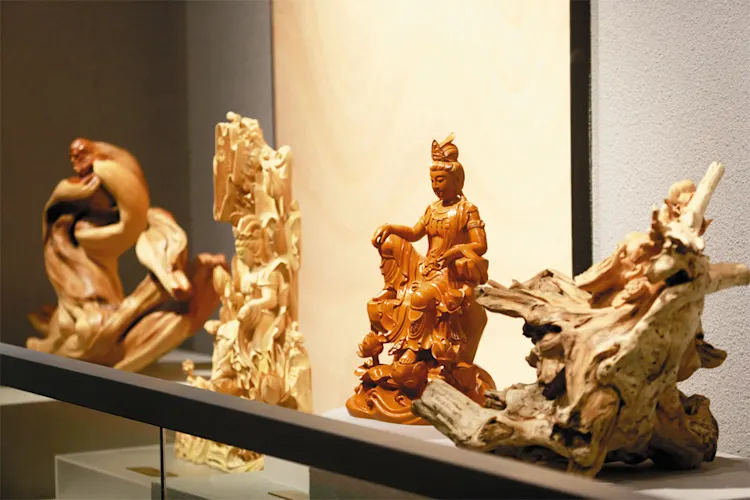
A traditional craft in Quanzhou where skilled carvers use exquisite techniques to create unparalleled wooden art pieces, inheriting a history of thousands of years.
24. Zhuang Niu Gui She Shen Festival
A traditional Zhuang ethnic celebration expressing reverence for nature's spirits, featuring vibrant costumes, dances, and music, creating a mysterious and unique atmosphere.
25. Traditional Miao Village Construction Technique
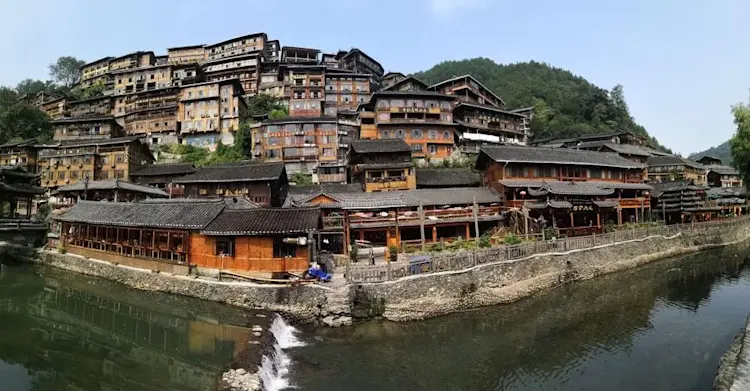
Unique architecture of the Miao ethnic group, using primitive materials to form village clusters, embodying Miao culture and respect for nature.
26. Traditional Yunnan Pu'er Tea Area Tea Horse Ancient Road
An ancient tea trade route connecting Yunnan and Tibet, using tea as a medium through caravan trade, preserving rich cultural and historical legacies.
27. Traditional Dian Opera
Local opera in Yunnan known for its unique music, performance style, and dramatic storytelling, showcasing distinctive regional cultural features.
28. Tibetan Opera on the Snowy Plateau
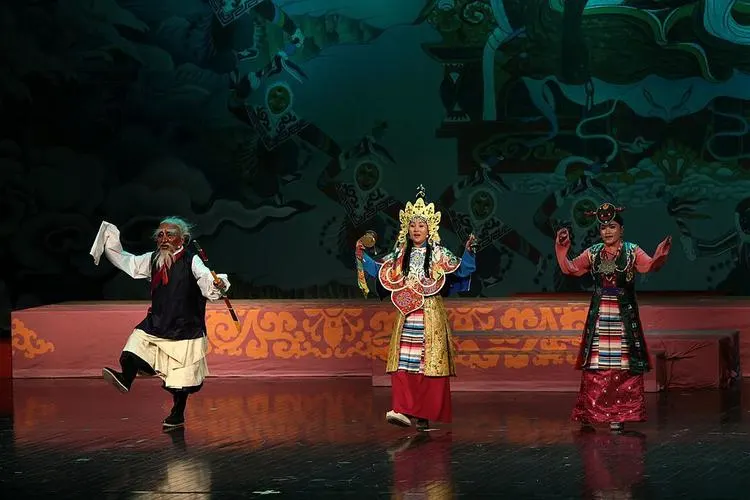
Traditional Tibetan opera set against the backdrop of the high plateau, with performers adorned in traditional attire, presenting unique dances and vocal performances.
29. Traditional Han Embroidery Technique
Traditional Chinese embroidery, showcasing exquisite embroidery craftsmanship that uses needle and thread to create intricate patterns, blending culture and art.
30. Traditional Chinese Opera Storytelling Technique
An ancient art of storytelling through opera, where lively performances by storytellers narrate historical stories, conveying classic literature and historical traditions.
31. Traditional Beijing Cloth Shoes

Unique designed and crafted traditional cloth shoes from Beijing, reflecting the perfect blend of ancient craftsmanship and modern fashion aesthetics.
Consider letting your child learn Chinese! Chinese is the gateway to China's rich history and unique culture.
At LingoAce, each course is the result of our team's dedication through hundreds of hours of course design, curriculum development, simulated teaching, teacher training, and quality control. We invite you and your child to join a free trial class and personally experience the extraordinary Chinese learning journey at LingoAce!