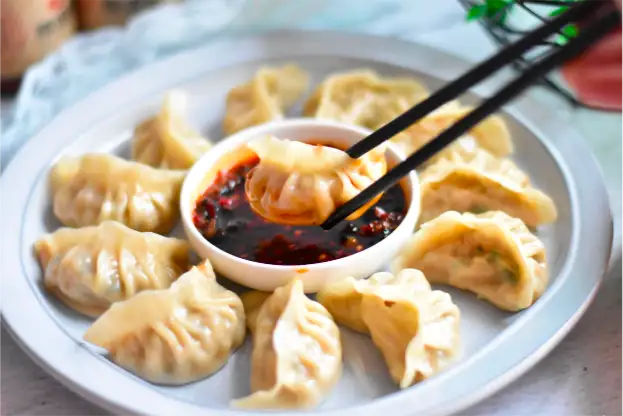
Dumplings are a dish that can be found in many cultures. There is something about dough-wrapped filling, be it meat, vegetables, or fruit, that is both filling and delicious. For Chinese people, the tradition of making and eating dumplings is deeply ingrained in the culture.
The origin of dumplings
Chinese dumplings, known initially as "Jiao'er" (娇耳 or "delicate ear"), were first invented by the medical sage Zhang Zhongjing. According to legend, he was the governor of Changsha during the late Eastern Han Dynasty. When he resigned from his position, he returned to his hometown. On the winter solstice, he saw the people starving and cold with frostbitten ears. At that time, typhoid fever was prevalent, and many people died from the illness. To help people, Zhang Zhongjing set up a local medical station. In a large pot, he boiled lamb, chili peppers, and medicinal herbs that could dispel cold and heat. He also wrapped dough in the shape of an ear, cooked it, and gave it to the poor with soup and food. From the Winter Solstice to the Lunar New Year, this dish helped people fend off typhoid fever and cured their cold ears. From then on, villagers and their descendants made this dish a tradition. Depending on where you are in China, dumplings are still called "Jiao'er" or now go by "Jiaozi" (饺子), while other places refer to it as "flat food" or "hot noodles dumplings."
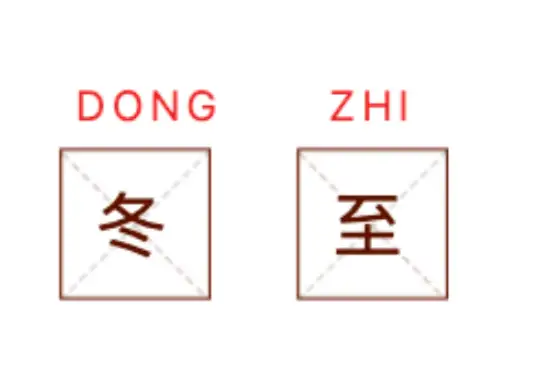
Following tradition, dumplings are eaten during the Winter Solstice (dōngzhì 冬至), also known as the Winter Festival. The timing changes yearly as this holiday is on the traditional Chinese calendar. The year is divided into periods called "solar terms," which are like "months" on the Gregorian calendar.
The Winter Solstice is one of the eight festivals celebrated in China annually. In ancient times, it was customary to worship the gods and honor ancestors during these "eight festivals." Because the winter solstice is regarded as a significant holiday in winter, the ancients referred to it as "Yanian" or "Xiaonian." Today, the custom of honoring ancestors during the winter solstice continues in some coastal areas of southern China. In contrast, eating dumplings continues to be a tradition in the northern regions of China.
Types of dumplings
Dumplings in Chinese cuisine are a traditional specialty food that the Chinese people deeply love. It is a staple food at home, can also be served as a snack, and is also considered a festival food.
Dumplings are often filled with dough and boiled in water.
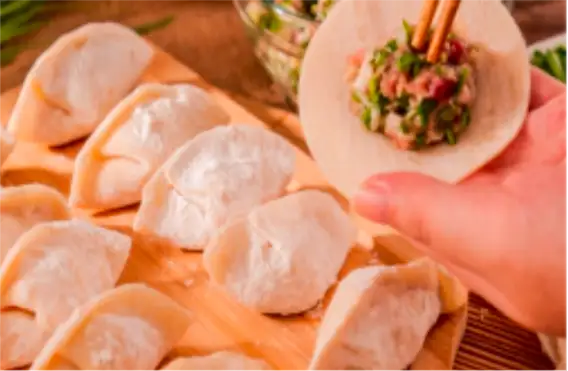
1. Yuanbao Dumpling is a chubby Yuanbao dumpling, symbolizing good luck and rolling financial resources.
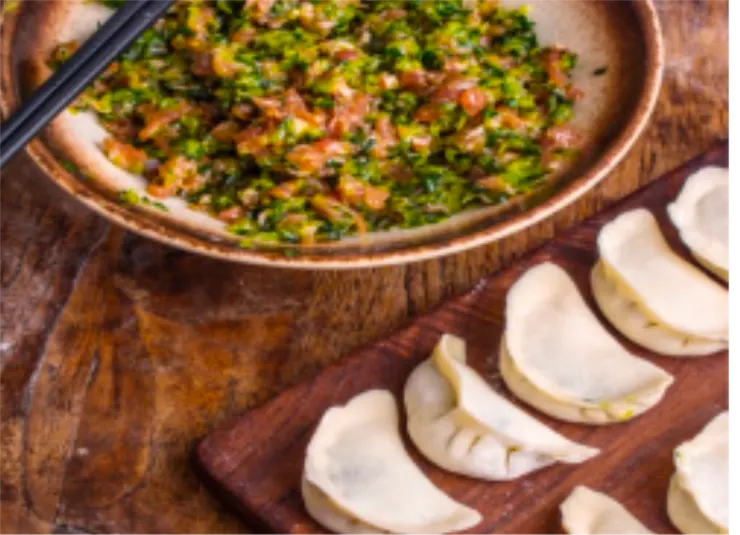
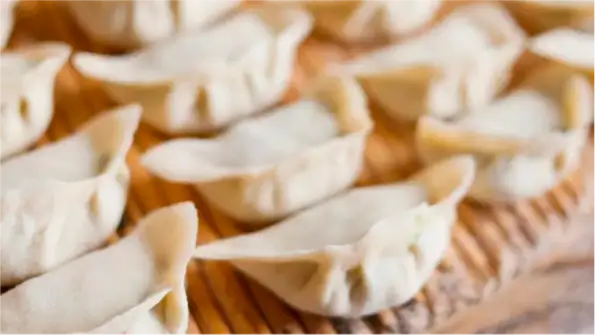
2. Yueya Dumpling has a beautiful meaning of a beautiful flower and a full moon, and the classic style looks very elegant with a curved shape.
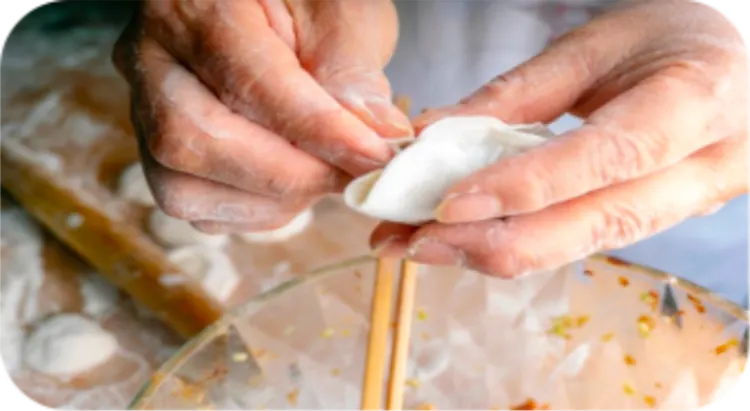
3. Wave Dumpling is based on Yueya Dumpling, and ripples are pressed with a scraper or hand, creating a curved shape.
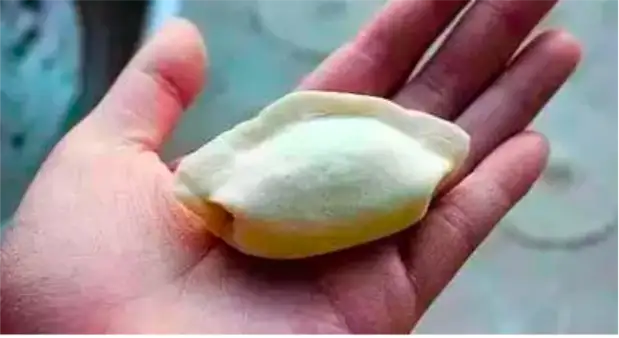
4. Clam dumplings ("gélí jiǎozi" 蛤蜊饺子) have a cute, clam-like shape.
How to make dumplings
Making Chinese dumplings can be a fun family event. Here's a simple recipe to try: Ingredients: Dumpling filling:
1/2 pound (about 227g) ground pork or a combination of pork and shrimp
2 cups finely chopped Napa cabbage
2-3 green onions, finely chopped
2 cloves of garlic, minced
1 teaspoon grated fresh ginger
1 tablespoon soy sauce
1 tablespoon oyster sauce
1/2 teaspoon sesame oil
1/4 teaspoon salt
1/4 teaspoon black pepper
Dumpling wrappers:
Round dumpling wrappers (you can find these at most Asian grocery stores)
Instructions:
1. Prepare the filling:
In a large mixing bowl, combine the ground pork (or pork and shrimp), Napa cabbage, green onions, garlic, ginger, soy sauce, oyster sauce, sesame oil, salt, and black pepper. (You can get creative with the filling by adding chopped shrimp, mushrooms, or tofu to suit your taste.)
Mix everything until well combined. You can use your hands for this.
2. Assemble the dumplings:
Take a dumpling wrapper and place about 1 tablespoon of the filling in the center. Don't overfill, as it will make it hard to seal the dumplings.
Wet the edge of the wrapper with a bit of water using your fingertip.
Fold the wrapper in half to create a half-moon shape and press the edges together to seal. Make sure there are no air pockets inside.
3. Shape the dumplings:
You can leave the dumplings as half-moons, or you can create pleats to make them look more traditional. To pleat them, follow these steps:
Hold the half-moon in one hand and use the other hand to create a pleat on one side.
Pinch the pleat to seal it, and then create another pleat next to it.
Continue pleating until you reach the other end and seal the edge.
4. Cook the dumplings:
You can cook dumplings in different ways: boiling, steaming, or pan-frying.
For boiling:
Fill a large pot with water over medium-high heat.
Once the water boils, place the dumplings into the water. Stir frequently to prevent the dumplings from sticking to the bottom of the pot.
Once the dumplings float, they are ready.
You can eat it plain or in soup.
Here pan-frying:
Heat some oil in a non-stick skillet over medium-high heat.
Place the dumplings in the pan and cook until the bottoms are golden brown.
Add water to the pan (about 1/4 cup) and cover with a lid. Steam for about 8-10 minutes until the wrappers are translucent and the filling is cooked.
Remove the lid and cook until the water evaporates and the bottoms become crispy again.
5. Serve:
Serve the dumplings with a dipping sauce made from soy sauce, vinegar, and some sesame oil. You can add minced garlic or ginger to the sauce for extra flavor.
Enjoy your homemade Chinese dumplings! Want your child to learn even more about Chinese culture and language? LingoAce is one of the best ways to learn Chinese for kids. Each one-on-one lesson is the product of nearly 200 hours of curriculum development, teacher training, and quality control. Our classes are tailored to meet your child's learning needs. Experience a redefined Chinese learning experience first-hand and book a free trial class with us today.