
Chinese New Year in 2026 lands on February 17, 2026, kicking off the Year of the Horse. If you’re a parent, that date can feel like it sneaks up on you. You want something your child can actually do (not just watch), and you want them to understand a tiny bit of the “why”… without turning your living room into a glitter crime scene.
This list of Chinese New Year activities is built for real life: short setups, flexible age tweaks, and little culture-and-language hooks you can use even if you don’t speak Chinese. Pick 2–3 ideas, repeat the ones your kid loves, and you’ve got a celebration that feels warm instead of stressful.
Chinese New Year activities at a glance (choose fast)
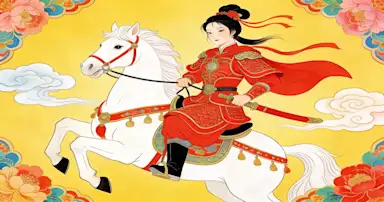
# | Activity | Best age | Time | Mess | What it teaches | Mini word/phrase |
1 | Wear-red mini challenge | 3–15 | 5–10m | Low | Symbolism, confidence | “Xīnnián hǎo” (Happy New Year) |
2 | “Good luck wall” wishes | 4–15 | 10m | Low | Gratitude, intention | “Hǎo yùn” (Good luck) |
3 | Zodiac charades | 4–15 | 10m | None | Zodiac basics, movement | “Mǎ” (Horse) |
4 | Lucky number hunt (8) | 4–12 | 10m | None | Numbers, noticing | “Bā” (Eight) |
5 | Record a greeting video | 5–15 | 10m | None | Speaking, family ties | “Gōngxǐ fācái” |
6 | Red & gold sensory bin | 3–5 | 10–15m | Med | Sensory play, colors | “Hóng” (Red) |
7 | Lantern sticker collage | 3–6 | 15m | Low | Fine motor, shapes | “Dēnglóng” (Lantern) |
8 | Home lion/dragon parade | 3–10 | 10–20m | Med | Rhythm, tradition | “Tiào wǔ” (Dance) |
9 | Soft “firecracker” chain | 3–6 | 15m | Low | Patterning, tradition | “Pào” (Firecracker) |
10 | Picture-book “spot it” | 3–7 | 10m | None | Attention, vocabulary | “Jiā” (Family) |
11 | Easy paper lantern craft | 4–10 | 20m | Med | Making, patience | “Dēnglóng” |
12 | Stamp-style couplets | 4–12 | 15–25m | Med | Writing joy, meaning | “Fú” (Good fortune) |
13 | Hongbao pretend play | 4–8 | 10–20m | Low | Giving, counting | “Hóngbāo” |
14 | Mandarin/orange sharing tray | 3–10 | 5–10m | Low | Hosting, generosity | “Xièxie” (Thanks) |
15 | “Sweep out bad luck” sprint | 3–12 | 10m | Low | Reset ritual, teamwork | “Gānjìng” (Clean) |
16 | Dumpling assembly station | 4–15 | 20–40m | Med | Food culture, teamwork | “Jiǎozi” (Dumplings) |
17 | “Taste & tell” fruit game | 4–12 | 10m | Low | Describing, confidence | “Hǎochī” (Tasty) |
18 | Long-noodle dinner moment | 4–15 | 20m | Low | Symbolism, manners | “Cháng” (Long) |
19 | Fortune snack mix | 4–12 | 10–15m | Low | Meaning-making | “Xìngfú” (Happiness) |
20 | Tea “tiny host” role-play | 5–15 | 10–20m | Low | Courtesy, confidence | “Qǐng” (Please) |
21 | Zodiac mini-poster + interview | 7–15 | 30–45m | Med | Research, family stories | “Shēngxiào” (Zodiac) |
22 | 6-line New Year poem | 7–15 | 15–25m | Low | Reflection, writing | “Xīnnián” (New Year) |
23 | Family story corner | 6–15 | 10–20m | None | Identity, listening | “Gùshì” (Story) |
24 | Symbol scavenger hunt | 6–15 | 20m | Low | Observation, meaning | “Yìsi” (Meaning) |
25 | Kids plan the celebration | 7–15 | 30m | Med | Leadership, hosting | “Huānyíng” (Welcome) |
Chinese New Year activities that take 10 minutes (busy-parent friendly)
1) Wear-red mini challenge
What to do: Ask your child to find 3 red things to wear or hold. Why it matters: Red is a big part of the holiday vibe (and kids love a “mission”). Make it work for different ages:
Toddlers: “Find red!” and clap each time.
Older kids: Pick one red item and explain what it symbolizes in one sentence. Mini phrase: “Xīnnián hǎo” (Happy New Year).
2) “Good luck wall” wishes
What to do: Sticky notes on a door or wall. Everyone writes one wish (or draws one). Why it matters: It turns Chinese New Year activities into a family ritual you can repeat daily. Age tweak: Preschoolers draw; students write a “wish + action step.” Mini phrase: “Hǎo yùn” (Good luck).
3) Zodiac charades (Year of the Horse edition)
What to do: Act out zodiac animals. Keep it silly. Why it matters: You get movement + a quick culture hook without a lecture. Age tweak: Students add one fact after guessing (traits, stories, family zodiac). Mini word: “Mǎ” (Horse).
4) Lucky number hunt (8)
What to do: Spot the number 8 around the house (clock, books, receipts). Why it matters: Kids remember culture through little “noticing” games. Age tweak: Older kids make 3 math problems with 8 in them. Mini word: “Bā” (Eight).
5) Record a greeting video for family
What to do: Your child says one greeting on camera and sends it to grandparents/aunties/uncles. Why it matters: This is where parents often notice a gap: kids want to speak, but freeze. That’s a real “next step” moment. Age tweak: Younger kids repeat after you; older kids add one sentence about what they’re doing today. Mini phrase: “Gōngxǐ fācái” (Wishing you prosperity).
Chinese New Year activities for toddlers (simple, sensory, forgiving)
6) Red & gold sensory bin
What to do: A shallow bin with safe items: red pom-poms, gold ribbon, big buttons, paper circles (supervise). Why it matters: Toddlers learn through hands. This is one of the easiest Chinese New Year activities to keep calm. Age tweak: Add tongs for older toddlers (fine motor). Mini word: “Hóng” (Red).
7) Lantern sticker collage
What to do: Draw a lantern outline on paper; let kids fill it with stickers or torn paper. Why it matters: It looks festive fast, and you didn’t have to cut 40 perfect shapes. Age tweak: Preschoolers add stripes or a tassel. Mini word: “Dēnglóng” (Lantern).
8) Home lion/dragon parade
What to do: Put on a song, hand your kid a scarf or paper “tail,” and march around the house. Add drums (pots + spoon). Why it matters: Movement is memory. Kids will remember this more than a long explanation. Age tweak: Students choreograph a 30-second routine. Mini word: “Tiào wǔ” (Dance).
9) Soft “firecracker” chain (no actual fire)
What to do: String red paper loops or red felt circles into a chain. Why it matters: It nods to tradition without loud noises or safety issues. Age tweak: Add a repeating pattern (red-red-gold). Mini word: “Pào” (Firecracker).
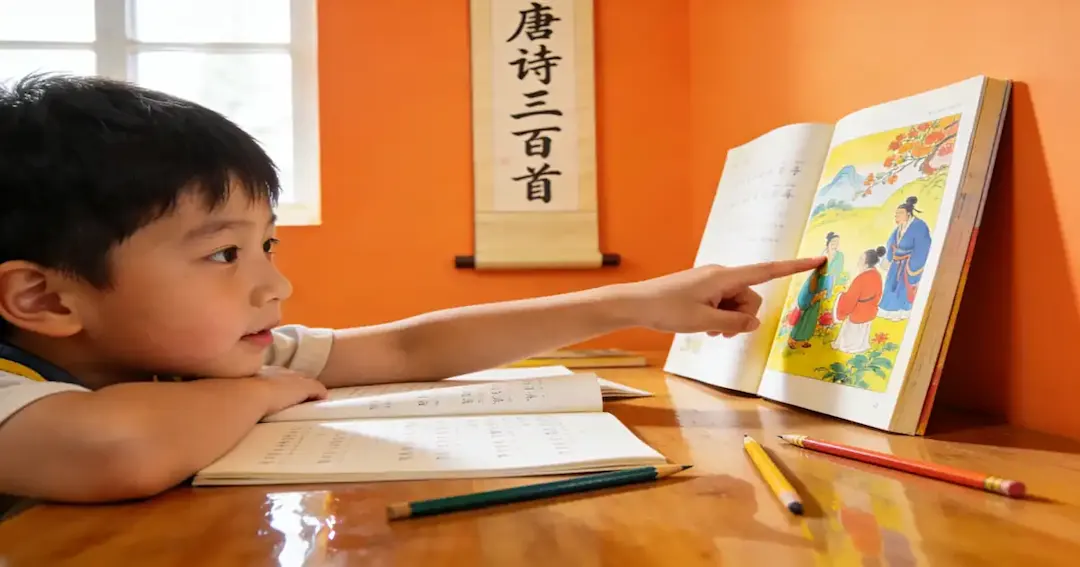
10) Picture-book “spot it” game
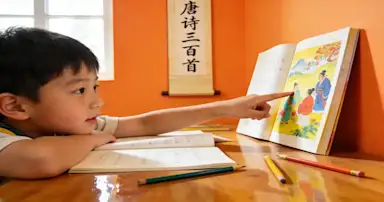
What to do: Read any Lunar New Year picture book and pause: “Find red!” “Find food!” “Find family!” Why it matters: Language grows from tiny repeated prompts. Mini word: “Jiā” (Family).
Chinese New Year activities for preschool (hands-on, not too precious)
11) Easy paper lantern craft
What to do: Fold paper, cut simple slits (adult helps), unfold, staple into a cylinder, add a handle. Why it matters: Lanterns connect to the festival ending (Lantern Festival traditionally wraps up the celebrations). Age tweak: Preschoolers decorate with stamps; older kids add characters or zodiac drawings. Mini word: “Dēnglóng” (Lantern).
12) Stamp-style couplets (no “perfect handwriting” required)
What to do: Use letter stamps, foam stickers, or thumbprint paint to make a vertical “couplet look.” Add one big symbol in the middle. Why it matters: Kids feel included even if they can’t write Chinese yet. Mini word: “Fú” (Good fortune).
13) Hongbao pretend play
What to do: Make red envelopes from paper. Put in play money, stickers, or “kindness coupons.” Why it matters: Britannica notes the tradition of giving red envelopes during Lunar New Year. Age tweak:
Preschool: practice “give/receive + thank you.”
Students: write one sentence blessing inside each envelope. Mini word: “Hóngbāo” (Red envelope).
14) Mandarin/orange sharing tray
What to do: Put oranges/mandarins on a tray by the door. Your child offers one to each family member. Why it matters: Hosting skills + warmth. Also: a sneaky way to practice manners words. Mini word: “Xièxie” (Thank you).
15) “Sweep out bad luck” tidy sprint
What to do: Set a 7-minute timer. Everyone tidies one zone. Why it matters: A classic tradition is cleaning before the new year to clear out old luck. Mini word: “Gānjìng” (Clean).
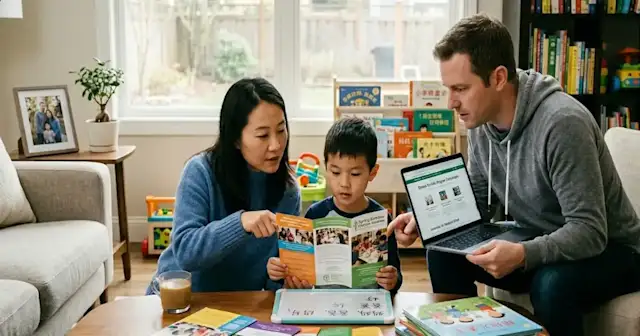
Natural mid-article CTA (keep the momentum going): If your child gets excited by the symbols (red, lanterns, hongbao) but struggles to say anything beyond a memorized phrase, that’s normal. It’s also the moment where a structured class helps—especially for heritage learners who understand more than they can speak. LingoAce offers live online Chinese lessons for kids ages 3–15, including a free trial class: (LingoAce)

Chinese New Year activities with food (because kids remember taste)
16) Dumpling assembly station
What to do: Give kids jobs: “wrapper passer,” “filling scooper,” “water dabber,” “fold helper.” Why it matters: Dumplings are a classic New Year food in many families—and cooking together is one of the best Chinese New Year activities for kids who don’t love crafts. Mini word: “Jiǎozi” (Dumplings).
17) “Taste & tell” fruit game
What to do: Everyone tastes a slice and describes it with one word (sweet, juicy, sour). Why it matters: Describing food builds confidence for kids who are shy speakers. Mini word: “Hǎochī” (Tasty).
18) Long-noodle dinner moment
What to do: Serve noodles and make one small family “rule” (no cutting noodles, or share one hope while eating). Why it matters: Traditions stick when they’re attached to something kids already like. Mini word: “Cháng” (Long).
19) Fortune snack mix
What to do: Mix 5 ingredients and give each one a “wish meaning” (sweet = sweet year, nuts = strong, dried fruit = abundance). Why it matters: Kids love assigning meaning. It feels ceremonial in a low-stress way. Mini word: “Xìngfú” (Happiness).
20) Tea “tiny host” role-play
What to do: Your child offers water/tea to family members using a “host script.” Why it matters: This is quietly powerful. Parents often realize: “My kid knows the traditions, but can’t interact smoothly with Chinese-speaking relatives.” Another real next step. Mini word: “Qǐng” (Please).
Chinese New Year activities for students (older kids who want “real projects”)
21) Zodiac mini-poster + family interview
What to do: Make a one-page poster: Year of the Horse + 5 facts + ask two relatives what they remember doing as a kid. Why it matters: Older kids engage when it feels like a “real assignment” they chose, not a baby craft. Mini word: “Shēngxiào” (Zodiac). (China Highlights)
22) A 6-line New Year poem (English or bilingual)
What to do: Six lines: 2 about the old year, 2 about what you hope for, 2 about your family. Why it matters: Writing makes reflection less awkward for tweens. Mini word: “Xīnnián” (New Year).
23) Family story corner (10 minutes, phones down)
What to do: One person tells a memory; the child asks two questions. Why it matters: Connection is the “point” of the holiday for many families, and this gives kids a role. Mini word: “Gùshì” (Story).
24) Symbol scavenger hunt (at home or around town)
What to do: Find 10 symbols (red, lantern, zodiac, “fortune,” family meal, etc.) in decor, stores, or parade clips. Why it matters: Students love hunts more than lectures. Mini word: “Yìsi” (Meaning).
25) Let kids plan the whole mini celebration
What to do: Give them a simple planning sheet: schedule, 3 activities, food, who to message, what greeting to say. Why it matters: Leadership + ownership. And honestly, you’ll get a break. Mini word: “Huānyíng” (Welcome).
FAQ
Chinese new year activities: What are the easiest traditions to start with at home?
Start with three simple anchors: wear something red, make or “pretend” hongbao, and share one symbolic food (dumplings, noodles, or oranges). The best traditions are the ones you can repeat easily every year without extra shopping.
Chinese new year activities for kids: How do I keep it fun without turning it into a history lesson?
Use a “one-sentence meaning” rule: say one quick line (“Red is for good luck”), then immediately do the activity. Kids remember the experience first; the meaning sticks because it’s attached to something they enjoyed.
chinese new year activities for toddlers: What’s safe, simple, and not too messy?
Go for sensory and movement: a red-and-gold sensory bin with large safe items, a sticker lantern collage, and a home parade with scarves and pots-as-drums. Keep expectations tiny—one color, one song, one quick win.
Chinese new year activities for preschool: What can kids do mostly independently?
Choose repeatable activities with short steps: lantern collage, hongbao pretend play with stickers or “kindness coupons,” an orange sharing tray for practicing giving/receiving, and a short tidy-up “sweep out the old” sprint with a timer.
Chinese new year activities for students: How can older kids go deeper without rolling their eyes?
Give them ownership. A zodiac mini-poster plus a short family interview, a six-line New Year poem (English or bilingual), or letting them plan the mini celebration works well because it feels like a real project they control—not a cute craft.
Conclusion
What matters most isn’t perfection—it’s repetition. When kids do the same small traditions year after year, they start to connect the dots: why red shows up everywhere, why families gather, why certain foods feel “special,” and how to greet people with confidence.
If your child is curious about the stories behind the holiday—or wants to say the greetings but gets shy—turning these celebrations into a few minutes of guided speaking practice can make a big difference. LingoAce’s live online Chinese classes for ages 3–15 are one flexible option to help kids build real-language confidence while they’re motivated by the season. You can try a free trial class.
Happy Chinese New Year—may your home be loud, warm, and full of good luck.