
For many families, the Spring Festival does not simply arrive on New Year’s Day. It begins much earlier—often in those quiet, ordinary moments that might not seem special at first. A calendar page is turned. Dust-covered decorations are retrieved from the attic. Someone mentions, almost casually, that the year is drawing to a close. Yet behind these small actions lies something deeply meaningful.
Spring Festival customs are not just rigid traditions tied to a date on the lunar calendar; they are a living language. They reflect how we prepare for change, how we welcome hope, and how we pass down values shaped over a thousand generations. Whether celebrated in the bustling heart of a Chinese city or in a quiet overseas suburb, these customs help us mark a fresh beginning. By exploring the origins of Chinese New Year, we can better understand how these ancient rituals continue to help us look forward to a year filled with luck and prosperity.

The Ritual of Renewal: Clearing Space for Good Fortune
One of the earliest signs that the festival is approaching is the sound of moving furniture and the scent of citrus cleaners. In many households, house cleaning happens days—or even weeks—before New Year’s Eve. Cabinets are emptied, windows are wiped until they sparkle, and forgotten corners finally receive attention.
To a child, this often feels like an inconvenience. Why scrub the floors when they already look fine? But parents and grandparents explain that this is among the most vital Spring Festival customs. In Chinese culture, "dust" is a homophone for the "old." By cleaning the home, we are symbolically removing the "bad luck" and negative energy of the past year.
This isn't about achieving domestic perfection; it is about intention. By clearing physical space, we believe we are making room for new opportunities. Even for overseas families with busy modern schedules, this Spring Festival tradition remains a moment to pause and reset. It teaches us that to invite prosperity, we must first be willing to let go of the old.
Decorating in Red: Bringing Wishes Indoors
Once the cleaning is done, the house starts to look completely different. You’ll see red popping up everywhere—from the couplets taped carefully around the front door to the delicate paper-cuts on the window panes. My favorite part is seeing the character “福” (fu) everywhere. Most people actually hang it upside down on purpose. It’s a clever bit of wordplay: in Chinese, the word for “upside down” sounds just like the word for “arrived.” So, by flipping the sign, you’re telling everyone that good luck is already here.
This particular detail of Spring Festival customs always sparks curiosity. The reason is a beautiful play on words: "upside down" (dao) sounds like "arrived" (dao). Thus, an inverted "Fu" tells the world that luck has already arrived at your doorstep.
For children growing up abroad, these red accents make the home feel brighter and warmer. They learn that red is the color of vitality and protection. More importantly, they learn that these decorations are actually written wishes. Each phrase on a couplet is a poetic hope for health, success, or peace. It teaches the younger generation that luck is not something left to chance; it is something we actively welcome and visualize.

The Reunion Dinner: Where Prosperity Becomes Tangible
Among all Spring Festival customs, the reunion dinner (年夜饭 Nian Ye Fan) holds the most sacred place. No matter how far family members have drifted throughout the year, there is a profound, almost magnetic pull to return home on New Year’s Eve.
The kitchen becomes the heart of the home early in the day. Familiar dishes appear year after year, serving as edible symbols of our hopes. Fish is served whole to represent "surplus" (abundance), while dumplings are shaped like ancient gold ingots to represent wealth. Sticky rice cakes (年糕 Niangao) carry the wish for "rising higher" with each passing year.
However, the best part of the reunion dinner isn’t the fancy spread of food; it’s the conversation that happens over it. This is usually when children get to hear about the "old days"—stories of ancestors they never met or how the family has changed over the years. It’s here that the idea of prosperity starts to mean something different. It’s less about wealth and more about the simple comfort of being together and feeling like you’re part of a story that’s much bigger than yourself.
Shousui: Stepping into the New Year Together
As night falls and the feast concludes, many families practice the tradition of "Shousui"—staying up late to welcome the new year. This is one of the Spring Festival customs that children often struggle with but desperately want to participate in.
There is a quiet power in staying awake as the clock nears midnight. Whether marked by the roar of fireworks or simple family conversations, this custom carries a message of presence. By staying awake together, families symbolically face the unknown future side by side. It is an act of shared hope, a collective step into a new chapter where we pray for the safety and prosperity of those we love.

Red Envelopes and the Weight of Blessings
For most children, nothing compares to the moment red envelopes are handed out. They wait for it—sometimes politely, sometimes not so patiently—watching adults reach into pockets or handbags. The money inside matters, of course, but what often stays with them longer is the feeling of being noticed and cared for.
Many parents use this moment to say a few quiet words, not as a lesson, but almost as a reminder. A red envelope isn't just about the money. It's meant to be a symbol of protection, a small gesture to help a child start the year on the right foot. When an elder gives one, they’re really passing on more than just cash—they’re sharing their support, their trust, and their best wishes for the future.
Wearing new clothes on New Year’s Day carries a quiet kind of excitement. Children tug at sleeves, check their reflections, and step outside feeling slightly different from the day before. It is not really about the clothes themselves. It is about the sense of beginning again—of starting the year clean, confident, and ready for whatever comes next. Slowly, often without anyone spelling it out, children come to see that prosperity has less to do with what is handed to them and more to do with the care behind each small ritual.
The Social Fabric: Sharing Luck with the Community
Once New Year’s Day has passed, the celebrations move beyond the home. Doors open, visits begin, and familiar routes to relatives’ houses are walked again. Children rehearse greetings under their breath, hoping to get every word right before facing their elders.
These visits, known as 拜年 bainian, are not rushed. Conversations linger. Tea is poured. Laughter fills rooms that may not see each other often during the year. Through these moments, children learn something simple but lasting: good fortune is not meant to be kept to oneself. It travels through visits, shared meals, and spoken wishes.
Even for families living overseas, where visits may happen through video calls or small community gatherings, the rhythm feels familiar. The setting may change, but the habit of reaching out does not. It reminds children that family and community extend beyond a single home—and that these connections are worth tending to.
Living Traditions: Adapting Customs for Modern Life
Life abroad often calls for small adjustments. Firecrackers may be replaced with recorded sounds or a handful of sparklers. A long banquet table might shrink into a simple dinner for four. Still, the essence of Spring Festival customs remains.
Families keep what matters most. They cook familiar dishes, set aside time to be together, and explain traditions in ways that make sense for their children. Over time, these adapted customs become traditions of their own—rooted in the past, shaped by the present, and ready to be carried forward.
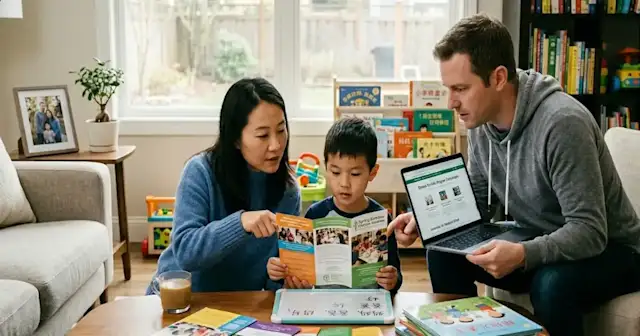
For many parents living overseas, the biggest challenge isn’t keeping Spring Festival customs—it’s explaining why they matter. Children may follow along with cleaning, decorating, or family dinners, but the deeper meaning can be easy to miss without context.
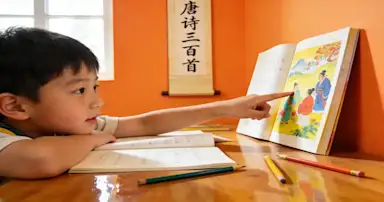
This is where structured language and cultural learning can quietly make a difference. Platforms like LingoAce help bridge that gap by turning everyday traditions into learning moments—connecting vocabulary, stories, and cultural background in ways children can actually relate to. Instead of memorizing abstract concepts, kids begin to understand Spring Festival customs through real experiences they already recognize at home.
Conclusion: Why We Carry These Customs Forward
When the festival ends and the red lanterns are eventually tucked away, the influence of Spring Festival customs does not disappear. The values they instill—renewal, gratitude, connection, and hope—continue to resonate throughout the rest of the year.
These customs remind us that luck is cultivated through care, and that prosperity is a garden we tend to through our relationships and our heritage. By celebrating them, we are passing down more than just habits; we are passing down an identity. Whether in China or anywhere else in the world, the Spring Festival remains the most meaningful way to begin the year with intention, warmth, and an unwavering optimism for the future.