What Makes Chinese Vegetables So Unique? A Culinary & Cultural Deep Dive
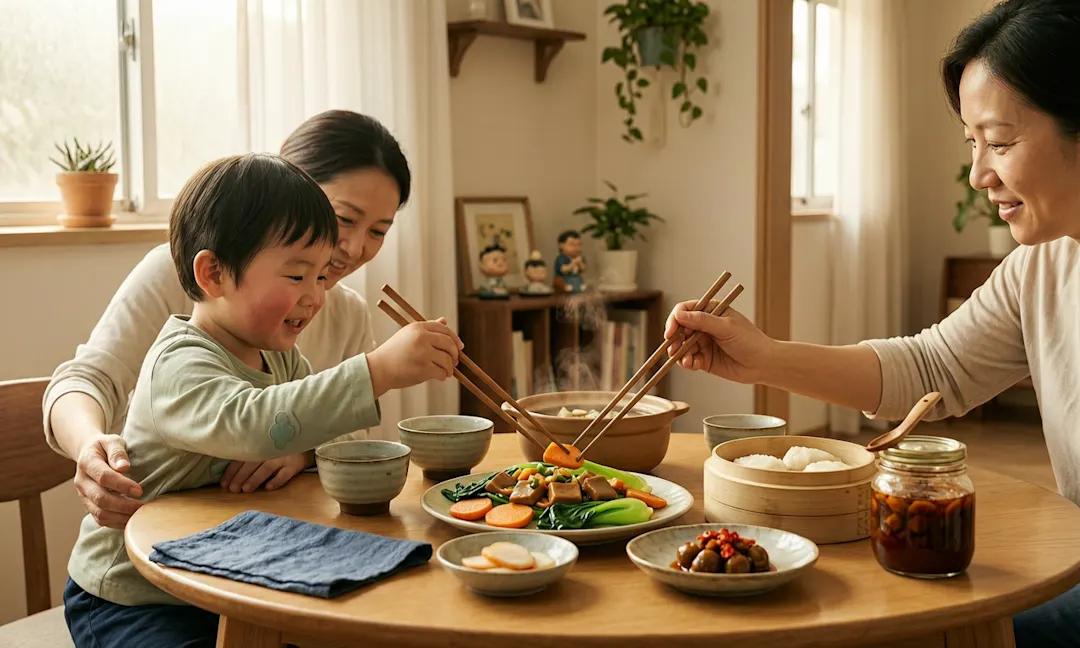
When you think of a dish in Chinese cuisine, you probably imagine a perfectly balanced medley of flavors, colors, and textures. Vegetables play a central role in achieving this balance. Unlike Western cuisine, which often treats vegetables as a side dish, Chinese cooking integrates them as a core component of the main course.
This difference isn't just about what's available; it's rooted in a unique culinary philosophy:
Freshness and Seasonality
Chinese cuisine places an immense value on using fresh, seasonal ingredients. This ensures the vegetables have their best flavor, texture, and nutritional value. The goal is to highlight the natural taste, not mask it with heavy sauces.
The Power of Texture
Chinese vegetables are prized for their versatility and quick-cooking nature. Techniques like stir-frying are designed to keep them crisp and vibrant. This crisp texture provides a delightful contrast to softer ingredients like tofu or tender meats.
Food as Medicine
In traditional Chinese medicine, many vegetables are believed to have specific health benefits. For example, some are seen as "cooling" or "warming" foods that help balance the body's internal energy. This makes them both delicious and a valuable part of a healthy diet.
While you'll find some familiar vegetables in Chinese cuisine, such as carrots and green bell peppers, many are distinct and essential to creating an authentic experience.
A Tale of Two Gardens: Chinese Vegetables vs. US Vegetables
While both Chinese and US cuisines celebrate fresh produce, the way vegetables are grown, cooked, and valued reveals a fascinating cultural difference. A deeper look at this comparison offers a fresh perspective on the vegetables we choose to eat.
1. Philosophical Approach to Food
Chinese Cuisine: The philosophy revolves around harmony and balance. A meal is not just about sustenance; it’s about balancing the Five Flavors (sweet, sour, salty, bitter, and spicy) and the Five Elements (Wood, Fire, Earth, Metal, and Water). Vegetables are chosen for their specific flavor profiles, textures, and health properties to achieve a holistic balance.
US Cuisine: The primary philosophy often centers on individual flavor and nutritional content. Vegetables are valued for their vitamins, minerals, and calories. A dish may highlight a single vegetable—such as a baked potato or a side of steamed broccoli—as a self-contained component. The focus is on the vegetable's inherent taste and nutritional benefit, not necessarily its relationship to the other ingredients.
2. The Role of Texture
Chinese Cuisine: Texture is as important as flavor. A perfect stir-fry often includes a mix of textures: the crunch of a water chestnut, the tenderness of a mushroom, and the crisp snap of a long bean. Many Chinese vegetables are chosen specifically for their ability to retain a firm texture after a quick cooking process.
US Cuisine: While texture is appreciated, the focus is often on softness and a consistent bite. Vegetables are frequently roasted until soft, boiled until tender, or served raw in a salad. A vegetable's texture is often secondary to its flavor or ease of preparation.
3. Common Vegetable Varieties
Bok Choy vs. Lettuce: While both are leafy greens, their uses are distinct. Lettuce is primarily used raw in salads, prized for its crispness. Bok Choy, however, is almost always cooked, prized for its unique contrast of tender leaves and crisp stems after a quick stir-fry.
Chinese Broccoli (Gai Lan) vs. Western Broccoli: Chinese Broccoli has long, leafy stalks and small, tender flower buds. The entire plant is eaten and is known for its slight bitterness. Western broccoli, on the other hand, is known for its large, dense head of florets and is typically steamed or roasted.
Bitter Melon vs. Cucumber: Both are gourds, but their flavors couldn't be more different. The cucumber is prized for its cool, refreshing, and mild taste. Bitter Melon is celebrated for its assertive, powerful bitter flavor, which is believed to be cooling for the body in traditional Chinese medicine.
The Top Chinese Vegetables: A Culinary A-Z Guide
Whether you're looking for new ingredients for a stir-fry or want to impress your family with an authentic Chinese dish, this comprehensive guide will introduce you to the most popular and versatile Chinese vegetables.
Bok Choy (大白菜, dà bái cài)

Description: This type of Chinese cabbage has crisp, bright white stems and dark green leaves. It has a mild, slightly sweet flavor. Its contrast of tender leaves and crunchy stems makes it a culinary favorite.
Health Benefits: Rich in vitamins A and C, Bok Choy is believed to help with digestion and detoxify the body.
How to Cook: Bok choy is incredibly versatile. A classic method is a quick stir-fry: heat a wok, add a bit of oil and minced garlic, then add the bok choy. Stir-fry for 2-3 minutes until the leaves wilt and the stems are crisp-tender. Season with oyster sauce.
Bitter Melon (苦瓜, kǔ guā)

Description: A ridged, green gourd with a distinctive bitter taste. Its bitterness is a prized flavor in Chinese cuisine, representing a flavor profile rarely found in Western dishes.
Health Benefits: In traditional Chinese medicine, bitter melon is believed to be a "cooling" food that helps reduce heat in the body and regulate blood sugar.
How to Cook: To reduce its bitterness, you can blanch it in boiling water. For a classic dish, stir-fry thin slices with fermented black beans and meat or simply add it to soups to impart a unique flavor.
Chinese Broccoli (芥蘭, jiè lán)
Description: This leafy green has thick, sturdy stems and small flower buds. It's not a type of broccoli but rather a leafy green that gets its name from its appearance. It has a slightly bitter, peppery taste.
Health Benefits: Rich in calcium and iron, it’s a nutritious vegetable often recommended for its cleansing properties.
How to Cook: The most common way to prepare it is by blanching the stems and leaves until tender-crisp and then serving them with a simple drizzle of oyster sauce and a touch of sesame oil.
Chinese Cabbage (白菜, bái cài)
Description: Also known as Napa cabbage, this leafy vegetable has a mild, sweet flavor and a tender, watery texture. It is a staple in many home-cooked meals.
Health Benefits: It is a low-calorie, high-fiber food that aids in digestion and is rich in Vitamin K.
How to Cook: Its mild flavor makes it perfect for adding to soups, hot pot, or stir-fries. It is also the main ingredient in many types of dumplings and is famously used to make kimchi and other fermented vegetables.
Chinese Chives (韭菜, jiǔ cài)
Description: These are thin, leafy greens with a bold, garlicky and onion-like flavor. They look similar to chives but are much more flavorful.
Health Benefits: Chinese chives are believed to warm the body and improve blood circulation.
How to Cook: They are a key ingredient in savory pancakes, dumplings, and spring rolls. A classic dish is a simple stir-fry of Chinese chives with scrambled eggs and bean sprouts.
Chinese Long Beans (豆角, dòu jiǎo)
Description: These beans are much longer and thinner than a typical green bean, with a slightly more tender texture.
Health Benefits: A good source of protein and fiber, they are a great addition to any balanced meal.
How to Cook: They're best when stir-fried with garlic, ginger, and a touch of soy sauce. Their length and slightly softer texture make them perfect for absorbing flavors.
Chinese Mustard Greens (芥菜, jiè cài)

Description: This vegetable has a pungent, peppery flavor that intensifies when cooked. It is a bold, leafy green with a crinkly texture.
Health Benefits: Considered a "cooling" food, it's believed to help detoxify the body and reduce inflammation.
How to Cook: It's often stir-fried with ginger and garlic to mellow its flavor. It can also be pickled or added to soups for a tangy taste.
Choy Sum (菜心, cài xīn)
Description: A close relative of Chinese broccoli, choy sum has smooth stems and small, yellow flowers. It has a tender texture and a mild, delicate taste.
Health Benefits: Rich in antioxidants and vitamins, choy sum is valued for its contribution to overall health and vitality.
How to Cook: It is most often steamed or blanched and served with a light oyster sauce drizzle. It can also be added to noodle soups.
Lotus Root (蓮藕, lián ǒu)
Description: The root of the lotus plant, it has a distinctively intricate, hollow pattern when sliced. It's prized for its crisp texture and mild, slightly sweet flavor.
Health Benefits: It is a great source of fiber and vitamin C, and in traditional Chinese medicine, it is used to cool the blood and clear internal heat.
How to Cook: Lotus root is versatile. You can stir-fry it, braise it in a savory sauce, or add it to soups. A common preparation is to stuff the holes with sticky rice and braise it in a sweet sauce.
Water Spinach (空心菜, kōng xīn cài)
Description: Also known as morning glory, this leafy green has hollow, tubular stems and tender leaves.
Health Benefits: It is rich in iron and calcium and is known for its ability to aid in digestion.
How to Cook: Water spinach is often quickly stir-fried with garlic and a fermented shrimp paste or a simple oyster sauce for a flavorful dish.
Winter Melon (冬瓜, dōng guā)

Description: A large, round or oblong gourd with a pale green rind. It has a very mild, almost neutral flavor and a soft, watery texture when cooked.
Health Benefits: Winter melon is a "cooling" food that helps with hydration and is often used to cleanse the body.
How to Cook: Winter melon is a key ingredient in many Chinese soups and stews, as its mild flavor allows it to soak up the broth. It's also used in desserts and as a filling for pastries.
Where to Find Chinese Vegetables & Tips for Freshness
If you're eager to try these vegetables, you'll likely find them at your local Asian market. Many mainstream grocery stores now also carry staples like bok choy and Napa cabbage in their produce section.
Look for Vibrant Colors: The leaves should be bright green and free of any yellowing or blemishes.
Check for Firmness: Stems and leaves should be firm and crisp. Avoid any that appear wilted or soft.
Shop Seasonally: For the best quality and price, buy vegetables when they are in season. Ask a local vendor for tips on what's freshest.
Ask for the Chinese Name: Knowing the Pinyin and Chinese characters will help you find what you’re looking for and can be a fun way to practice your language skills.
Frequently Asked Questions About Chinese Vegetables
Q: What is Chinese cabbage? Is it the same as bok choy?
A: "Chinese cabbage" is a general term that refers to several types of cabbages used in Chinese cuisine. The most common varieties are Napa cabbage and Bok Choy. While both are Chinese cabbages, they are different vegetables with distinct looks and uses.
Q: What is the most popular Chinese vegetable?
A: While there are many popular vegetables, Bok Choy is arguably the most common and widely recognized. Its mild flavor and versatility make it a staple in countless dishes, from stir-fries to soups.
Q: Are Chinese vegetables healthier than Western vegetables?
A: All fresh vegetables are healthy! The key difference is the variety of nutrients and properties they offer. For example, bitter melon is known for its blood sugar benefits, while winter melon is great for hydration. Incorporating them into your diet adds to its overall diversity and nutrition.
Q: What are the best Chinese vegetables for beginners?
A: Bok choy, Napa cabbage, and Chinese long beans are excellent choices for beginners. They are widely available, easy to prepare, and have mild flavors that are familiar to Western palates.
Q: How do I cook Chinese vegetables to keep them crisp?
A: The key is to cook them quickly over high heat. Use a wok or a large skillet. Heat the pan first, add oil, then add the vegetables. Stir-fry for just a few minutes until they are bright and tender-crisp. Avoid overcrowding the pan, as this will cause the vegetables to steam instead of stir-fry.
Conclusion: Embrace the Flavor, Learn the Culture
Exploring the world of Chinese vegetables is more than a culinary adventure; it's a window into a rich culture that values freshness, balance, and the connection between food and well-being. By incorporating these flavorful ingredients into your cooking, you're not just creating delicious meals—you're learning about a new culture and adding a new dimension to your life.
This is exactly the kind of cultural exploration that LingoAce is all about. Our online classes for kids go beyond just teaching language; they connect your child to a vibrant culture through engaging lessons on traditions, history, and of course, food.
Experience a fun and redefined Chinese learning journey. Book a free trial class with us today.