Exploring the Splendor of Silk Threads: The Heritage and Charm of Han Embroidery
Introduction
Within the extensive cultural history of China, the art of Han embroidery stands as a treasured component of the nation's intangible cultural heritage. As an ancient form of embroidery, Han embroidery is not merely a decorative craft; it represents the wisdom and aesthetic taste of the Chinese people. This article will take you into the world of Han embroidery, exploring its historical origins, unique craftsmanship, and its contemporary inheritance and development.
The Historical Origins of Han Embroidery
The Origin and Brief History of Han Embroidery
Han embroidery, one of China's four famous embroideries, has a history that dates back over two thousand years to the Han Dynasty. According to the "Book of the Later Han: Arts and Literature," Han embroidery originated among the common people before gradually entering the royal court, becoming an exclusive art form for the imperial family. During the Tang and Song dynasties, Han embroidery reached its zenith, enjoying popularity within the country and being exported overseas, becoming an important cultural symbol along the ancient Silk Road.
The Status and Influence of Han Embroidery in Chinese History
Han embroidery occupies a significant position in traditional Chinese culture. It is not only an art form but also a cultural heritage. The patterns of Han embroidery often draw from natural landscapes, myths, and folktales, with each stitch imbued with rich cultural meaning. Its development has been praised by scholars and poets throughout the ages. For instance, the Song Dynasty poet Su Shi wrote in his poetry, "Needles bring forth thousands of embroidery styles, each charming with the wind and moon of springtime." This not only depicts the beauty of Han embroidery but also reflects its popularity in society at the time.
The Inclusion of Han Embroidery in the Intangible Cultural Heritage List
With the passage of time, the traditional craft of Han embroidery faces the risk of being lost. To protect and preserve this precious cultural heritage, Han embroidery has been officially included in the list of China's intangible cultural heritage. This action is not only a recognition of the value of Han embroidery but also an affirmation of its historical status and cultural significance.
The Unique Craftsmanship of Han Embroidery
Overview of the Han Embroidery Process
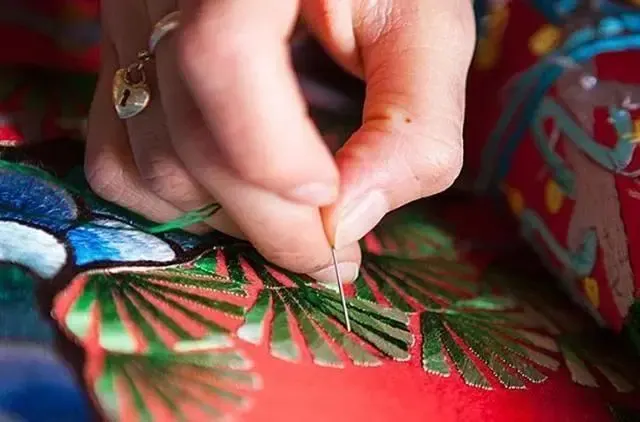
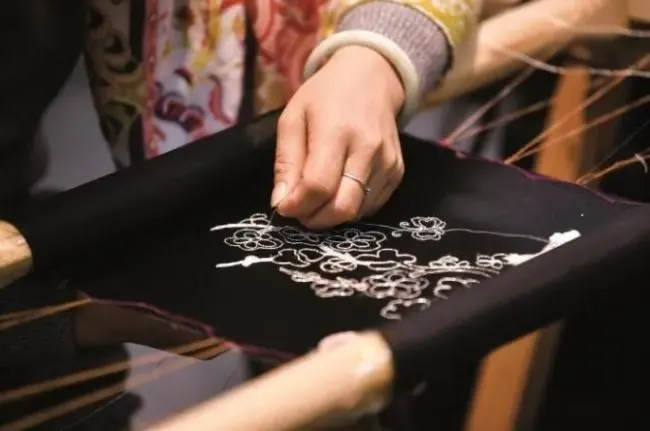
The creation of Han embroidery is a complex and meticulous process involving multiple steps, including pattern design, material selection, coloring, and embroidery. Each step requires the utmost concentration and skill from the artisans. Han embroidery demands not only smooth lines and harmonious colors but also vivid patterns with a sense of depth. Artisans choose appropriate needlework techniques and thread types based on different patterns and colors to ensure that the embroidery is both beautiful and durable.
Materials and Tools Used in Han Embroidery
The primary materials used in Han embroidery are silk threads and silk fabrics. There is a wide variety of silk threads, from thin as hair to thick as rope, each used for different patterns and effects. Additionally, Han embroidery employs various specialized tools, such as embroidery needles and frames, which reflect the uniqueness of the craft. For example, the embroidery frame stabilizes the fabric, allowing artisans to operate with both hands, improving precision and efficiency in their work.
Features and Techniques of Han Embroidery
Han embroidery is renowned for its fine needlework and rich expression techniques. There are dozens of stitching techniques, such as flat, twisted, and knotted stitches, each with its unique effect and application. Artisans combine these techniques to give the embroidery a three-dimensional and dynamic quality, vividly showcasing the essence of traditional Chinese culture. For instance, flat stitches are used to fill large color blocks, while knotted stitches create detailed effects with clear layers.
The Cultural Significance and Modern Application of Han Embroidery
Symbolic Meaning of Han Embroidery in Traditional Chinese Culture
Han embroidery is more than just an art piece; it carries profound symbolic meaning within traditional Chinese culture. In ancient times, Han embroidery was often used to express wishes for good fortune, wealth, and safety. For example, common patterns like the lotus and phoenix symbolize purity, auspiciousness, and rebirth. These traditional symbolic meanings are still cherished today and continue to be represented in modern Han embroidery works.
Cultural Interpretation of Han Embroidery Patterns and Designs
The pattern design of Han embroidery is rich in cultural connotations, with each piece celebrating the beauty of nature and traditional culture. For instance, peony patterns symbolize wealth and prosperity, while fish and water wave patterns suggest abundance. These traditional patterns are not only aesthetically pleasing but also contain a wealth of cultural information and historical stories, serving as important carriers of Chinese traditional culture.
Integration and Innovation of Han Embroidery in Modern Fashion and Art
With the introduction of modern design concepts, Han embroidery has begun to merge with contemporary fashion and art, breathing new life into this traditional craft. Designers incorporate elements of Han embroidery into clothing, home decor, and accessories, extending its reach beyond traditional decorative items to become part of modern life. This innovation not only ensures the continuation of Han embroidery but also allows more people to appreciate its beauty and charm.
The Inheritance and Challenges of Han Embroidery
Current Challenges Faced by Han Embroidery
Despite its long history and profound cultural depth, Han embroidery faces several challenges in modern society. The demand for handcrafted arts has diminished with industrialization and modernization, and the interest of the younger generation in traditional crafts is waning, leading to a scarcity of Han embroidery artisans. Additionally, the market is impacted by counterfeit products and mechanized production, which pose a threat to the traditional craftsmanship of Han embroidery.
The Importance and Measures of Han Embroidery Inheritance
Han embroidery is not just a beautiful decorative item; it is an integral part of Chinese national culture. To protect this intangible cultural heritage, the transmission of Han embroidery skills is crucial. Currently, governments and non-governmental organizations are implementing various measures, such as establishing Han embroidery workshops, offering training courses, and organizing exhibitions, to spark public interest and cultivate a new generation of artisans. For example, some local governments support Han embroidery artists in opening studios to teach their skills, while also using online platforms to showcase their work and attract the attention of young people.
Efforts at the National and Social Levels to Protect and Promote Han Embroidery
The national effort to protect and promote Han embroidery is also intensifying. In addition to including Han embroidery in the intangible cultural heritage list, legislation has been enacted to protect its intellectual property rights and combat counterfeit products. Moreover, through international cultural exchanges, Han embroidery is introduced to the world, allowing more people to understand and appreciate this unique Chinese traditional art. At various international cultural festivals and exhibitions, Han embroidery captivates foreign audiences with its distinctive charm, serving as an excellent representative of Chinese culture.
Conclusion
As a jewel of China's intangible cultural heritage, Han embroidery not only represents the pinnacle of Chinese embroidery art but also carries the cultural memory and aesthetic taste of the Chinese nation. In contemporary society, the inheritance and development of Han embroidery face challenges but also new opportunities. With various protective and promotional measures, there is good reason to believe that this ancient art form will continue to thrive and serve as a cultural bridge between the past and the future.
For overseas Chinese, learning Chinese not only helps us better understand intangible cultural heritages like Han embroidery but also allows us to delve deeper into the profoundness of Chinese culture. By learning Chinese, we can read more historical documents about Han embroidery, understand the stories and cultural meanings behind it, and thus cherish and pass on this precious cultural heritage even more.
Consider letting your child learn Chinese! Chinese is the gateway to China's long history and unique culture.
At LingoAce, each course is the result of our team's over a hundred hours of course design, textbook production, simulated teaching, teacher training, and quality control. We invite you and your child to participate in a free trial class and experience LingoAce's extraordinary Chinese learning experience firsthand!