Introduction
In the five-thousand-year-long river of Chinese culture, calligraphy, with its unique charm and profound cultural significance, is hailed as an essential component of Chinese civilization. As an important representative of China's intangible cultural heritage, traditional calligraphy is not just a tool for recording characters but an art form that carries philosophical thoughts, aesthetic tastes, and personal cultivation. For overseas Chinese, understanding and learning traditional calligraphy not only enhances their appreciation of Chinese culture but also allows them to experience the intrinsic beauty and power of Chinese characters.

Traditional Calligraphy Art in China's Intangible Cultural Heritage List
Recognition and Protection of Calligraphy Art
Traditional calligraphy art, listed in China's Intangible Cultural Heritage, is a national-level cultural heritage. This recognition is not only an affirmation of the historical value of calligraphy but also a commitment to its future protection and inheritance. The protection of calligraphy involves the preservation of traditional techniques, the collection of calligraphic works, and the popularization of calligraphy culture. In this process, national and local governments, cultural institutions, calligraphy associations, and calligraphy enthusiasts work together to ensure that the ancient art's flame never extinguishes.
The Role of Calligraphy Art in Intangible Cultural Heritage
As part of intangible cultural heritage, traditional calligraphy plays an irreplaceable role in inheriting Chinese culture, promoting cultural diversity, and enhancing national cultural confidence. Every stroke in calligraphy contains the wisdom and aesthetic pursuit of the Chinese nation and serves as a cultural link between the past and the future. As the Tang Dynasty calligrapher Yan Zhenqing said, "Calligraphy is an expression of one's aspirations." (Yan's Family Instructions) Calligraphy not only conveys information but also the spiritual pursuits and personal expressions of the calligrapher.
The History and Schools of Calligraphy Art
The Origins and Development of Chinese Calligraphy
The history of Chinese calligraphy can be traced back to ancient inscriptions on oracle bones and bronzes, evolving through the small seal script of the Qin dynasty, the clerical script of the Han dynasty, to the cursive and regular scripts of the Wei and Jin periods, and finally to the full flourishing of calligraphy during the Tang and Song dynasties. The emergence of each script style is closely connected to the social and cultural context and historical processes of the time. For instance, the rise of clerical script is associated with the establishment of centralized power during the Han dynasty, while the formation of regular script is closely related to the stability and prosperity of the Tang dynasty.
Major Calligraphy Schools and Their Representative Figures
There are numerous schools of Chinese calligraphy, among which the most famous include Wang Xizhi's running script, Yan Zhenqing's regular script, and Liu Gongquan's regular script. These calligraphy masters not only achieved a high level of skill but also left a profound impact on the art form, influencing countless calligraphy enthusiasts in subsequent generations. Wang Xizhi, known as the "Sage of Calligraphy," created the "Lanting Xu" (Preface to the Poems Composed at the Orchid Pavilion), which is celebrated as the finest example of running script and showcases the ultimate beauty of calligraphy art.
The Charm and Techniques of Calligraphy Art

Aesthetic Features of Calligraphy Art
The charm of calligraphy lies in its unique aesthetic features, such as the fluidity of lines, the balance of structure, the variation of brushstrokes, and the depth of ink shades. A fine piece of calligraphy not only conveys the meaning of the characters but also expresses the emotions and personality of the calligrapher. As Su Shi, a calligrapher from the Song Dynasty, once said, "Is not the highest form of calligraphy one that expresses leisurely sentiments?" (Su Shi's "Dongpo Zhilin") Beyond the words, the ultimate realm of calligraphy art lies in conveying the inner world and emotions of the writer.
Basic Techniques and Tools of Calligraphy
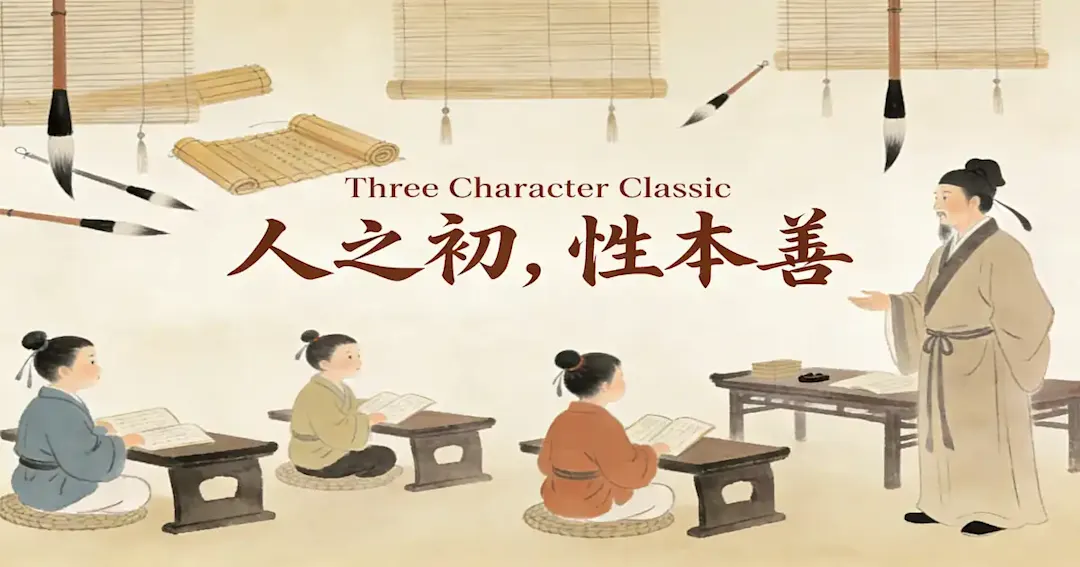
Learning Chinese calligraphy requires mastering some basic techniques, including brushwork, ink usage, paper selection, and seal engraving. The tools of calligraphy are also of great importance, with the traditional "Four Treasures of the Study" — brush, ink, paper, and inkstone — being indispensable for creating calligraphy. The selection of the brush depends on the softness and elasticity of the bristles, the ink must be finely ground with a lustrous sheen, the paper should have appropriate ink absorption, and the inkstone should be made of hard, fine stone. The choice and use of these tools significantly affect the final outcome of the calligraphy work.
Modern Inheritance and Innovation of Traditional Calligraphy Art
Development Trends of Contemporary Calligraphy Art
In modern society, traditional calligraphy art faces new challenges and opportunities. With the advent of the digital age, the means of disseminating and displaying calligraphy have changed, with online platforms and multimedia technologies providing new avenues for the promotion of calligraphy. At the same time, contemporary calligraphers are continuously exploring and innovating on the basis of tradition, making calligraphy more diverse and international. For example, calligraphy works that incorporate modern artistic elements and calligraphy teaching on digital media are manifestations of innovation in calligraphy art.
Calligraphy Education and Popularization Activities
To protect and inherit calligraphy art, governments at all levels and cultural institutions have launched a series of calligraphy education and popularization activities nationwide. The establishment of calligraphy courses in schools, the organization of calligraphy competitions, and the planning of calligraphy exhibitions are all stimulating public interest, especially among young people, in calligraphy. These activities not only allow for the widespread dissemination of calligraphy art but also provide a platform for calligraphy enthusiasts to showcase their talents.
Conclusion
As a treasure of China's intangible cultural heritage, traditional calligraphy art not only carries the cultural memory of the Chinese nation but also showcases the limitless charm of Chinese character art. In today's globalized world, the inheritance and development of calligraphy art are not only necessary for Chinese culture itself but also represent the diversity of world cultures. For overseas Chinese, learning and passing on calligraphy art not only deepens their understanding and identification with their ancestral culture but also plays a unique role in cross-cultural communication.
Learning Chinese is not just about language acquisition; it is an experience of culture. As an integral part of learning Chinese, calligraphy helps learners better understand the structure and aesthetics of Chinese characters, enhancing their appreciation and cultural literacy. Therefore, it is encouraged that overseas Chinese families incorporate calligraphy into the process of learning Chinese, allowing the next generation to feel the beauty of Chinese characters and experience the profound cultural heritage of China through writing.
Consider letting your child learn Chinese! Chinese is the gateway to China's long history and unique culture.
At LingoAce, each course is the result of our team's over a hundred hours of course design, textbook production, simulated teaching, teacher training, and quality control. We invite you and your child to participate in a free trial class and experience LingoAce's extraordinary Chinese learning experience firsthand!