
Swimming, an ancient sport, has been closely related to human life since time immemorial. It is not only a survival skill but also a form of exercise that engages the whole body and mind. Globally, swimming has always been a beloved and esteemed activity, especially within overseas Chinese communities, where it is increasingly accepted by families as a healthy physical activity. This article will explore how to cleverly integrate Chinese language learning into the process of teaching children to swim, allowing them not only to learn swimming but also to enjoy the dual pleasure of playing games and learning Chinese in the water.

The Origin and Development of Swimming:
Swimming as a sport has a history that dates back to ancient Egypt and even earlier. Ancient murals and documents depict scenes of swimming, highlighting its significance in human civilization. For instance, tomb paintings in ancient Egypt illustrate swimming strokes, and the Greek poet Homer mentioned the importance of swimming skills in "The Iliad." Over time, swimming evolved from a survival skill to a competitive sport and became one of the events in the first modern Olympic Games at the end of the 19th century.
In overseas Chinese communities, swimming is not only a popular recreational activity but also an essential part of children's healthy growth. Compared to other sports, swimming has characteristics such as low impact and high-calorie consumption, making it suitable for people of all ages. It is a full-body exercise that involves nearly every muscle group, significantly contributing to children's physical development and strength enhancement.
The Importance of Teaching Children to Swim:
Swimming offers numerous benefits for children's physical and mental development. Firstly, it enhances cardiovascular health, improves coordination and flexibility. For example, swimming can significantly increase lung capacity, which is vital for their long-term health. Secondly, swimming fosters self-confidence and resilience. As children learn swimming techniques, they master breath control, balance, and movement in the water.
Safety in swimming is paramount. Parents and coaches must ensure children's safety in the water to prevent drowning and other potential risks. Moreover, correct swimming posture and techniques are crucial for preventing sports injuries. Learning the proper breaststroke technique, for instance, not only improves swimming efficiency but also reduces the strain on the knees, preventing injuries.

Combining Swimming with Chinese Language Learning:
Integrating Chinese language learning into swimming instruction is an innovative educational method. Coaches can guide children to learn Chinese vocabulary while playing through a series of aquatic games. For example, by imitating the movements of marine animals to learn their Chinese names or using Chinese commands in relay swimming, children enhance their interest and understanding of Chinese while enjoying the fun of swimming.
For instance, children can learn the Chinese pronunciation and writing of "frog" while learning the breaststroke. This approach allows children to absorb new knowledge naturally in a relaxed and enjoyable environment. Additionally, swimming coaches can use the buoyancy of water to design Chinese character card games, where children collect cards while swimming to learn new Chinese words. This interactive learning method not only improves swimming skills but also ignites their enthusiasm for learning Chinese.
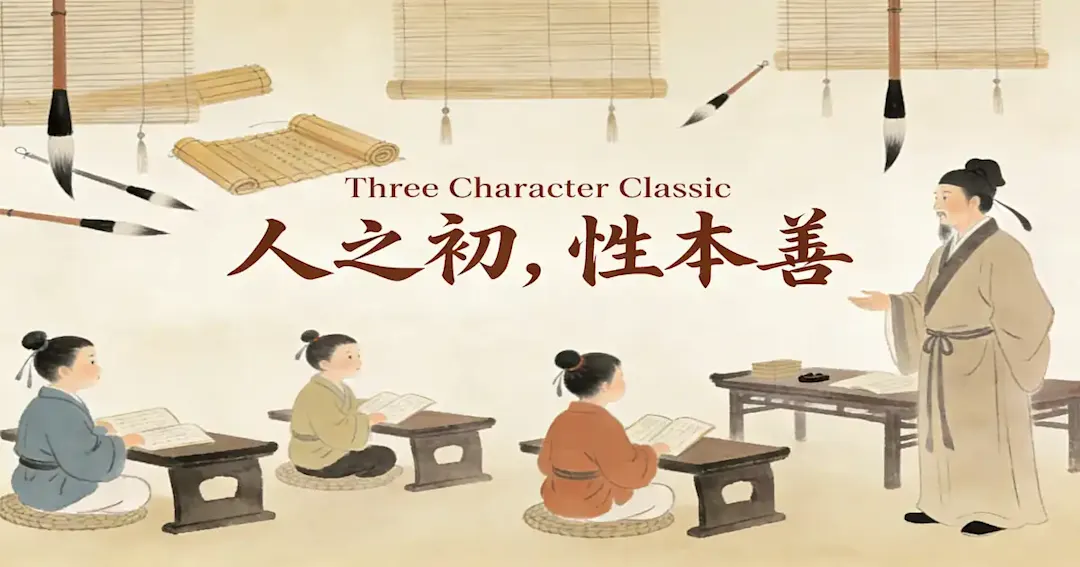
Parents and coaches can use breaks between swimming lessons to tell traditional Chinese stories or idioms related to water, such as "water droplets pierce through stone" and "constant dripping wears away the stone." These stories and idioms are not only philosophically rich but also spark children's curiosity about language and culture. For example, telling the story of Yu the Great taming the waters not only introduces children to ancient Chinese heroes but also teaches them the spirit of perseverance in the face of difficulties. Through these stories, children learn not only Chinese but also the values of persistence and hard work.
Conclusion:
Swimming, as a sport that comprehensively develops physical fitness, plays an irreplaceable role in children's growth. Integrating Chinese language learning into swimming instruction not only improves their language skills but also deepens their understanding and love for Chinese culture. For overseas Chinese families, this educational approach serves both to exercise the body and to pass on cultural heritage.
Consider letting your child learn Chinese! Chinese is the gateway to China's long history and unique culture.
At LingoAce, each course is the result of our team's over a hundred hours of course design, textbook production, simulated teaching, teacher training, and quality control. We invite you and your child to participate in a free trial class and experience LingoAce's extraordinary Chinese learning experience firsthand!