Chinese New Year, a significant traditional festival, captivates children with the ancient and delightful tradition of red packets (hongbao). Beyond monetary value, red packets embody rich cultural significance. This article delves into three origin legends, explores their evolution and influence, and invites you into the captivating world of this cherished tradition.
Three Origin Legends of Red Packets:
1. Warding off Evil Spirits:
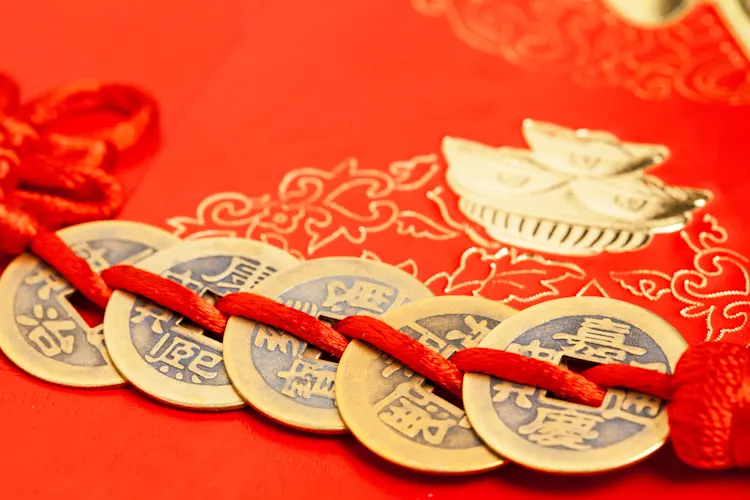
Long ago, a mischievous creature called "Sui" roamed on New Year's Eve, threatening sleeping children. Families started gifting children red paper with eight copper coins to protect them. This evolved into the modern tradition of "hongbao" or red packets.
2. Scaring Away the Beast:
In ancient times, a beast named "Nian" terrorized people on New Year's Eve, posing a threat to crops and livestock. People scared it away with fireworks. To comfort frightened children, delicious treats were created, eventually evolving into the custom of gifting "lucky money" to children.
3.Palace Customs:
During the Tang Dynasty, the imperial court dispersed coins on spring days. This practice, initially bestowed upon Yang Guifei's adopted son as "washing money," transitioned into a folk tradition. People imitated it, gifting coins to children on New Year's Eve to ward off evil spirits.
Forms and Customs of Red Packets:
The earliest "red packets" in the Han Dynasty weren't actual currency but protective talismans. Over time, they transformed into genuine currency, becoming the gold and silver children receive today. In the Ming and Qing dynasties, red packets became a popular trend. People crafted money into various shapes, symbolizing good fortune. Different regions adopted unique customs, like Hunan favoring even numbers and Hangzhou placing red packets by children's pillows.
Historical Evolution of Red Packets:
Originally symbolic talismans, red packets gradually transformed into tangible gifts of gold and silver for children. In the Ming and Qing dynasties, red packets became a fashionable trend, shaped into dragons, fish, and other symbols of prosperity. Regional variations emerged, with Hunan favoring even numbers, Fujian distributing red packet fruits and plates, and Hangzhou placing red packets by children's pillows. Red packets represent deep affection, embodying parents' love and blessings for their children.
By exploring the three origin legends of red packets, we gain a deeper understanding of the cultural richness behind this traditional custom, experiencing the profound historical heritage of the Chinese New Year. With each red packet received, children feel the warmth of family and the significance of cultural continuity. Beyond monetary gifts, red packets carry the essence of blessings, contributing to the warmth and meaningfulness of the Spring Festival.
Want your child to learn Chinese? LingoAce is one of the best ways to learn Chinese for kids. Each one-on-one lesson is the product of nearly 200 hours of curriculum development, teacher training, and quality control. Our classes are tailored to meet your child’s learning needs.
Experience a redefined Chinese learning experience first-hand and book a free trial class with us today.