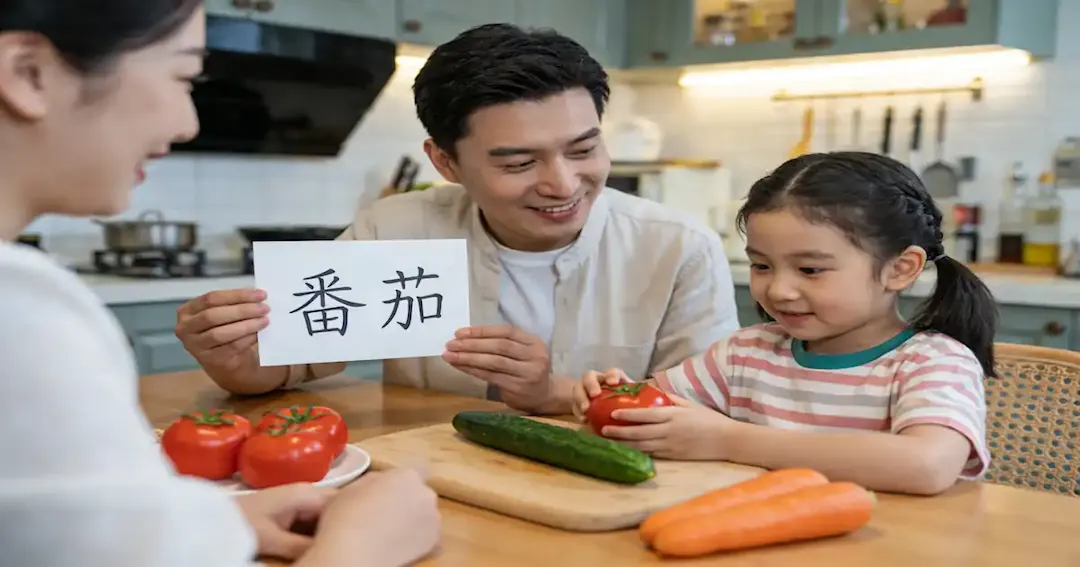

If you’ve ever tried to help your child say “two cats” in Chinese and suddenly hit a wall, you’ve met the classic Mandarin hurdle: Chinese measure words.
In English, “two + noun” usually works. In Mandarin, you typically need a “bridge” between the number and the noun:
Number + Measure Word + Noun Example: 一只猫(yì zhī māo) = one cat
For parents , the tricky part isn’t understanding the idea—it’s knowing which measure word to use without turning dinner time into a grammar lecture.
This guide is designed to be practical:
A high-frequency Chinese measure words list (start with the ones you’ll actually hear)
Simple “shape/category” shortcuts so kids can guess better
Focus sections for what families use most: clothes, animals, and food
A survival plan for the moments you don’t know the “perfect” one (yes, that’s most of us at first)
What Are Chinese Measure Words?
Chinese measure words (also called classifiers) are words used between a number (or “this/that”) and a noun.
You’ll see them when you count things:
两本书(liǎng běn shū) = two books
三张纸(sān zhāng zhǐ) = three sheets of paper
You’ll also hear them with “this/that”:
这个苹果(zhè gè píngguǒ) = this apple
那只狗(nà zhī gǒu) = that dog
A parent-friendly way to explain it to kids:
“In Chinese, we often say one ‘unit of’ something—like one piece of paper, one cup of water, one pair of shoes.”

The Only Pattern You Need First: Number + Measure Word + Noun
If you learn only one rule today, make it this:
Core pattern
Number + Measure Word + Noun 一杯水(yì bēi shuǐ) = one cup of water 两件衣服(liǎng jiàn yīfu) = two items of clothing
With “this/that”
这/那 + Measure Word + Noun 这本书(zhè běn shū) = this book 那条鱼(nà tiáo yú) = that fish
Quick mini-check (for kids)
Which part is the measure word?
三只猫(sān zhī māo)
两碗饭(liǎng wǎn fàn)
一张纸(yì zhāng zhǐ)
Answer: 只(zhī), 碗(wǎn), 张(zhāng)
The Top 25 Chinese Measure Words List (Start Here)
This is the “don’t panic” list. If you master these 25, you’ll cover a huge share of everyday conversations.
How the table works:
MW = measure word (with pinyin)
Core use = what it’s typically for
Common nouns = examples you’ll actually use at home
Kid-ready example = short sentence your child can copy
Note: measure words are about “typical usage,” not strict laws. When you’re unsure, choose a safe default (we’ll cover that soon).
MW | Core use | Common nouns | Kid-ready example |
个(gè) | general “default” | 人(rén), 苹果(píngguǒ) | 一个苹果(yí gè píngguǒ) |
只(zhī) | many small animals | 猫(māo), 狗(gǒu) | 两只猫(liǎng zhī māo) |
条(tiáo) | long/thin things | 鱼(yú), 裤子(kùzi) | 一条鱼(yì tiáo yú) |
张(zhāng) | flat things | 纸(zhǐ), 桌子(zhuōzi) | 一张纸(yì zhāng zhǐ) |
本(běn) | books | 书(shū), 词典(cídiǎn) | 三本书(sān běn shū) |
件(jiàn) | clothing/items | 衣服(yīfu), 事情(shìqing) | 一件衣服(yí jiàn yīfu) |
双(shuāng) | pairs | 鞋(xié), 袜子(wàzi) | 一双鞋(yì shuāng xié) |
位(wèi) | polite for people | 老师(lǎoshī), 朋友(péngyou) | 一位老师(yí wèi lǎoshī) |
名(míng) | people (formal-ish) | 学生(xuéshēng), 医生(yīshēng) | 两名学生(liǎng míng xuéshēng) |
口(kǒu) | bites | 饭(fàn), 蛋糕(dàngāo) | 吃一口(chī yì kǒu) |
杯(bēi) | cups/glasses | 水(shuǐ), 茶(chá) | 一杯水(yì bēi shuǐ) |
瓶(píng) | bottles | 水(shuǐ), 牛奶(niúnǎi) | 一瓶牛奶(yì píng niúnǎi) |
罐(guàn) | cans/jars | 可乐(kělè), 饮料(yǐnliào) | 一罐可乐(yì guàn kělè) |
碗(wǎn) | bowls | 饭(fàn), 面(miàn) | 一碗面(yì wǎn miàn) |
盘(pán) | plates | 饺子(jiǎozi), 菜(cài) | 一盘饺子(yì pán jiǎozi) |
份(fèn) | portions/orders | 菜(cài), 点心(diǎnxin) | 一份点心(yí fèn diǎnxin) |
块(kuài) | chunks/pieces | 蛋糕(dàngāo), 巧克力(qiǎokèlì) | 一块蛋糕(yí kuài dàngāo) |
片(piàn) | slices | 面包(miànbāo), 肉(ròu) | 两片面包(liǎng piàn miànbāo) |
颗(kē) | small round items | 糖(táng), 葡萄(pútáo) | 一颗糖(yí kē táng) |
粒(lì) | tiny grains | 米(mǐ), 药(yào) | 一粒米(yí lì mǐ) |
把(bǎ) | handled items | 伞(sǎn), 椅子(yǐzi) | 一把伞(yì bǎ sǎn) |
支(zhī) | pens/sticks | 笔(bǐ), 铅笔(qiānbǐ) | 一支笔(yì zhī bǐ) |
根(gēn) | long stick-like | 香肠(xiāngcháng), 线(xiàn) | 一根香肠(yì gēn xiāngcháng) |
台(tái) | machines/devices | 电脑(diànnǎo), 电视(diànshì) | 一台电脑(yì tái diànnǎo) |
辆(liàng) | vehicles | 车(chē), 自行车(zìxíngchē) | 两辆车(liǎng liàng chē) |
The “When I Don’t Know” rule (parent-friendly)
If your child freezes, try this order of “safe guesses”:
个(gè) for general objects
只(zhī) for small animals
杯(bēi)/碗(wǎn)/盘(pán)/份(fèn) when food or drink is clearly served that way You’ll be understood, and accuracy can improve over time.
A lot of kids can memorize a Chinese measure words list—but still hesitate in real conversation (“Which one do I use? What if I’m wrong?”). If you’d like your child to get comfortable using measure words while actually speaking (ordering food, describing animals, talking about clothes), structured conversation practice helps more than drilling.
If you want a guided option, LingoAce Chinese classes can be a practical fit for families: teachers can correct measure words gently in context and get kids saying full phrases out loud. You can start with a trial lesson to see whether the pace matches your child.

Chinese Measure Words by “How Things Look” (A shortcut kids remember)
Once your child knows the top list, the next leap is learning category shortcuts. This is where Chinese measure words stop feeling random.
Flat things → 张(zhāng)
Use for flat surfaces or sheet-like items:
一张纸(yì zhāng zhǐ)
两张票(liǎng zhāng piào) = two tickets
一张桌子(yì zhāng zhuōzi) = one table (common usage)
Long or “strip-like” things → 条(tiáo)
Often used for long, flexible, or strip-like items:
一条鱼(yì tiáo yú)
一条裤子(yì tiáo kùzi)
一条路(yì tiáo lù) = one road
Books → 本(běn)
一本书(yì běn shū)
两本故事书(liǎng běn gùshìshū)
Clothes (one item) → 件(jiàn)
一件衣服(yí jiàn yīfu)
两件外套(liǎng jiàn wàitào)
Animals (small/common) → 只(zhī)
一只狗(yì zhī gǒu)
三只鸟(sān zhī niǎo)
Containers/servings → 杯(bēi)/碗(wǎn)/盘(pán)/份(fèn)
一杯水(yì bēi shuǐ)
一碗饭(yì wǎn fàn)
一盘菜(yì pán cài)
一份饺子(yí fèn jiǎozi)
Parent note: These shortcuts are “good guesses,” not absolute rules. That’s okay—kids learn faster when they’re allowed to be 80% correct and keep speaking.
Chinese Measure Words for Clothes (Shopping-ready cheat sheet)
This is where families use Chinese measure words constantly—shopping, packing, school mornings.
Most useful first (teach these three first)
件(jiàn) — one item of clothing (general) 一件T恤(yí jiàn T-xù)
条(tiáo) — pants, long clothing items 一条牛仔裤(yì tiáo niúzǎikù)
双(shuāng) — pairs (shoes, socks, gloves) 一双袜子(yì shuāng wàzi)
Common “next level” clothes measure words
套(tào) — a set/suit/outfit 一套衣服(yí tào yīfu)
顶(dǐng) — hats (often) 一顶帽子(yì dǐng màozi)
Mini “parent + kid” shopping script (copy/paste)
我想要两件T恤(wǒ xiǎng yào liǎng jiàn T-xù)。 I want two T-shirts.
这条裤子很好看(zhè tiáo kùzi hěn hǎokàn)。 These pants look nice.
我需要一双鞋(wǒ xūyào yì shuāng xié)。 I need a pair of shoes.
If you teach only one line for clothes:
两件衣服(liǎng jiàn yīfu) = two items of clothing

Chinese Measure Words for Animals (Start with these 4)
Animals are a perfect kid-friendly category because the “why” is visual.
1) 只(zhī) — the safest default for many small animals
一只猫(yì zhī māo)
两只狗(liǎng zhī gǒu)
2) 条(tiáo) — often for long animals (fish, snake)
一条鱼(yì tiáo yú)
一条蛇(yì tiáo shé)
3) 头(tóu) — often for bigger animals/livestock
一头牛(yì tóu niú)
两头猪(liǎng tóu zhū)
4) 匹(pǐ) — horses (most common beginner use)
一匹马(yì pǐ mǎ)
Quick kid quiz (no pressure)
Pick the best measure word:
one cat → 一只猫(yì zhī māo)
one fish → 一条鱼(yì tiáo yú)
one cow → 一头牛(yì tóu niú)
one horse → 一匹马(yì pǐ mǎ)
Chinese Measure Words for Food (Ordering + table talk)
Food is where parents want fast, functional Chinese measure words—especially at restaurants, family dinners, and holiday meals.
The “restaurant core”
杯(bēi) — cup/glass 一杯茶(yì bēi chá)
碗(wǎn) — bowl 一碗饭(yì wǎn fàn)
盘(pán) — plate 一盘饺子(yì pán jiǎozi)
份(fèn) — portion/order (very useful) 一份炒饭(yí fèn chǎofàn)
Helpful extras (when the food shape is obvious)
块(kuài) — chunk/piece (cake, chocolate) 一块蛋糕(yí kuài dàngāo)
片(piàn) — slice (bread, meat) 两片面包(liǎng piàn miànbāo)
串(chuàn) — skewer (common in street-food style items) 一串烤肉(yí chuàn kǎoròu)
Mini ordering scripts (parent + kid)
我要一碗面(wǒ yào yì wǎn miàn)。 I’d like one bowl of noodles.
请给我两杯水(qǐng gěi wǒ liǎng bēi shuǐ)。 Please give me two cups of water.
我们点一份饺子(wǒmen diǎn yí fèn jiǎozi)。 Let’s order one portion of dumplings.
The “When I Don’t Know” Survival Guide (for parents and kids)
Even advanced learners sometimes pause. The goal is to keep your child speaking.
Rule 1: Use 个(gè) as a fallback (most of the time you’ll be understood)
一个苹果(yí gè píngguǒ)
两个玩具(liǎng gè wánjù)
Rule 2: If it’s an animal, start with 只(zhī)
一只兔子(yì zhī tùzi)
三只鸟(sān zhī niǎo)
Rule 3: If it’s food served in a clear way, use the container/portion word
一杯(yì bēi)…, 一碗(yì wǎn)…, 一盘(yì pán)…, 一份(yí fèn)…
Five common kid mistakes (and how to fix gently)
Overusing 个(gè) for everything (fine early on; add one new measure word per week)
Forgetting the measure word entirely (model the full phrase back calmly)
Mixing 件(jiàn) and 条(tiáo) for clothes (teach: “pants = 条(tiáo)” as a shortcut)
Using 只(zhī) for big animals (introduce 头(tóu) later, not day one)
Getting stuck on “perfect” (celebrate communication first)
How to Help Kids Remember Measure Words (without drilling)
You don’t need worksheets to learn Chinese measure words—just tiny daily routines.
3-minute games that actually work
The “张(zhāng) hunt”: find 3 flat things at home 一张纸(yì zhāng zhǐ), 一张桌子(yì zhāng zhuōzi), 一张照片(yì zhāng zhàopiàn)
The “restaurant roleplay”: pretend to order 一碗饭(yì wǎn fàn), 一杯水(yì bēi shuǐ), 一份饺子(yí fèn jiǎozi)
The “closet sprint”: pick 3 clothing lines 一件外套(yí jiàn wàitào), 一条裤子(yì tiáo kùzi), 一双袜子(yì shuāng wàzi)
Parent-friendly weekly plan (simple, repeatable)
Week 1: 个(gè), 只(zhī), 本(běn)
Week 2: 张(zhāng), 条(tiáo), 件(jiàn)
Week 3: 杯(bēi), 碗(wǎn), 份(fèn)
Week 4: 盘(pán), 双(shuāng), 块(kuài)
FAQ
chinese measure words list
A good chinese measure words list is prioritized: it starts with high-frequency measure words like 个(gè), 只(zhī), 本(běn), 张(zhāng), 件(jiàn), 条(tiáo), and then expands by category. If the list is unranked and massive, it’s harder for kids—choose one that highlights “most common first,” like the Top 25 structure in this guide.
chinese measure words for clothes
For chinese measure words for clothes, start with:
件(jiàn) for general clothing items
条(tiáo) for pants/long items
双(shuāng) for pairs (shoes/socks) Add 套(tào) later for outfits/sets, once your child is comfortable.
chinese measure words for animals
For chinese measure words for animals, teach these four in order:
只(zhī) as the safest default for many animals
条(tiáo) for long animals like fish or snakes
头(tóu) for bigger livestock-type animals
匹(pǐ) for horses Kids don’t need more than that early on.
chinese measure words for food
For chinese measure words for food, focus on how the food is served:
杯(bēi) for drinks
碗(wǎn) for bowls
盘(pán) for plates
份(fèn) for portions/orders Then add 块(kuài) for pieces and 片(piàn) for slices when it comes up naturally.
Conclusion: Start Small, Speak More
Chinese measure words feel overwhelming only when you try to learn them all at once. A better approach—especially for kids—is to learn a small Chinese measure words list that matches real life: books, pets, clothes, and food.
If you remember just three things:
Use the pattern Number + Measure Word + Noun
Start with a Top 25 set
Practice in short phrases your child actually says
You’ll hear progress quickly—not because your child memorized a chart, but because they used the phrases in real moments.
If you want help turning this guide into confident speaking, a structured class can make it easier. LingoAce’s Chinese classes are one option families use to practice measure words in context (ordering, describing, shopping) with gentle correction. You can try a trial lesson and decide if it fits your child’s learning style.