Introduction: Why Chinese Zodiac signs matter?
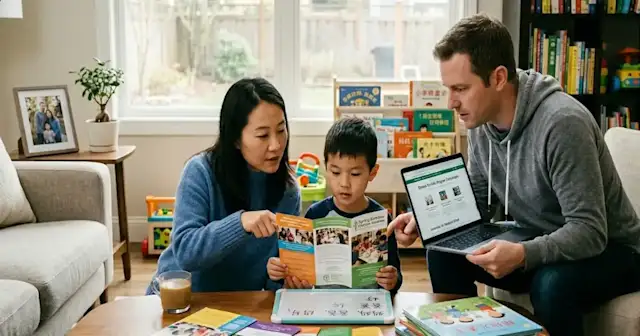
Tell a child, “You’re a Tiger; Grandma is a Rabbit,” and the conversation almost runs by itself. A lot of parents notice this. Kids who shrug at “Let’s talk about culture” suddenly sit up when they hear, “Let’s find out your Chinese Zodiac sign.”
Chinese Zodiac signs work so well with children because they’re simple and visual. Animals are easier to imagine than abstract ideas like “tradition” or “heritage.” Once a child knows their sign, they start making connections:
“So my cousin and I are both Monkeys?”
“Does that mean I’m like this animal?”
“What’s Dad’s sign?”
For families raising bilingual or bicultural kids, that curiosity is precious. You can use it as a doorway into Mandarin words, family stories, and Lunar New Year customs, instead of forcing “culture time” that feels separate from everyday life.

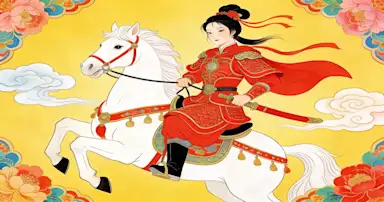
In this guide, we’ll stay with a straightforward structure including a clear overview of Chinese Zodiac signs, where the 12 animals came from and where Chinese Zodiac signs show up in modern life.If you want to learn more about this year (the Year of the Horse), check out our other LingoAce blog post.
An Overview of Chinese Zodiac Signs
In Chinese culture, Chinese Zodiac signs are a way of naming and remembering years.
Instead of just saying “She was born in year X,” many people say, “She is a Dragon,” “He is a Dog,” and so on. The animal label becomes an easy shorthand for the birth year.
There are twelve Chinese Zodiac signs, and they always follow the same cycle:
Order | Chinese Zodiac Animal | Typical “short description” (kid-friendly) |
1 | Rat | quick thinker, resourceful |
2 | Ox | steady, patient |
3 | Tiger | bold, energetic |
4 | Rabbit | gentle, thoughtful |
5 | Dragon | confident, ambitious |
6 | Snake | observant, calm |
7 | Horse | active, independent |
8 | Goat (Sheep) | kind, artistic |
9 | Monkey | playful, curious |
10 | Rooster | organized, outspoken |
11 | Dog | loyal, fair-minded |
12 | Pig | warm, easygoing |
Every Twelve-Year cycle, each year is connected to one of these animals.
When the cycle finishes, it loops back to the beginning. That’s why a grandparent and a grandchild can share the same Chinese Zodiac sign even though they were born decades apart.
You can treat this as a starting point for simple Mandarin phrases. For example:
“Wǒ shì hóu.” – “I’m a Monkey.”
“Māmā shì tù.” – “Mom is a Rabbit.”
Even casually hearing these phrases tied to Chinese Zodiac signs makes Mandarin feel more natural and less like something that only appears in class.
History of the Chinese Zodiac Signs and Their Animals
If your child is the type who keeps asking “But why?” you’ll eventually get to this: “Why these animals? Who decided the order?”
There isn’t one strict historical answer, but two pieces are especially useful for families:
a story children can retell, and
a simple explanation of the calendar idea behind it.
The story version: The Great Race
One popular tale says that a heavenly ruler (often called the Jade Emperor) wanted to choose twelve animals to represent the years. He invited animals to a race, and the order they reached the finish line became the order of the Chinese Zodiac signs.
Different families tell the story in slightly different ways, which is fine. A common child-friendly version includes bits like:
The Rat, too small to swim well, cleverly rides on the Ox and jumps ahead just before the finish line.
The Tiger fights strong river currents and arrives third, tired but proud.
The Rabbit hops from rock to rock and gets a last-minute push from a helpful log or piece of driftwood.
The Dragon could have come first but stops to bring rain or help people, so it arrives later than expected.
The remaining animals arrive in order, each with some excuse or character moment.
Feel free to dramatize it. Make up dialogue, add pauses, let your child complain: “That’s not fair to the Ox!” The more they argue, the more they remember the sequence of Chinese Zodiac signs without realizing they’re learning.

The practical version: a simple year-marking system
Alongside the story, there is a more down-to-earth explanation. Long before printed calendars were everywhere, people still needed ways to mark years and talk about time. Using animals as labels made it easy to recall patterns:
You didn’t have to remember “year 421 of something”;
you could remember “the last Rat year,” “next Dragon year,” and so on.
Over time, people began to connect each animal with certain qualities: courage, patience, kindness, quick thinking. Those qualities slowly turned into the personality descriptions you now see attached to the twelve Chinese Zodiac signs.
You can turn this into an activity at the dinner table by asking:
“If we invented our own zodiac for the family, which animals would we choose?”
“Would we keep the Rat first, or change the order?”
Suddenly, history feels less dusty and more like a creative game.
What Is My Chinese Zodiac Sign?
This is usually the first concrete problem parents run into. You might think, “Easy, I’ll just match the birth year to a chart,” and then discover that things are not as straightforward as they looked.
The key detail is this: Chinese Zodiac signs follow the Lunar New Year, not January 1.
The Lunar New Year usually falls between late January and mid-February. So, if your child was born in the beginning of a Western year, they might actually belong to the previous animal year.
Very roughly, it works like this:
Birthday timing (Western calendar) | Likely Chinese Zodiac sign situation |
After that year’s Lunar New Year | Sign matches the “headline” animal for that Lunar New Year |
Before that year’s Lunar New Year | Sign still belongs to the previous animal year |
How we can look up our family’s signs
You don’t need to memorize every year. A practical approach looks like this:
Use a reliable online Chinese Zodiac calculator
Type “Chinese Zodiac sign calculator” into a search engine.
Enter each family member’s full birth date, not just the year.
Double-check people born in January and early February
If the calculator clearly takes Lunar New Year into account, that’s usually enough.
When in doubt, compare at least two different sources to confirm your child’s Chinese Zodiac sign.
Talk about the description, not just the label
After you find the sign, read a short personality description together.
Ask questions like, “Does that sound like you?” or “What parts feel wrong?”
That last step keeps things flexible. Children sometimes worry when a description doesn’t match them perfectly. Reassure them that Chinese Zodiac signs are a mix of stories and patterns, not a fixed rulebook for their personality.
Luckiest and Unluckiest Chinese Zodiac Signs (A Gentle Take for Families)
If you grew up around Chinese-speaking relatives, you’ve probably heard comments like, “This is a good year for Dragons,” or “It’s his own sign year, so he should be careful.” When you’re raising kids overseas, those comments can be confusing.
Children hear “unlucky” very strongly. So, it’s helpful to adjust the language a little.
Here are some ways to frame “luck” in a family-friendly way:
Treat it as storytelling, not a scorecard
You can say, “Some people believe Tiger years are especially good for bold decisions,” rather than, “Tigers are better than Goats.”
Introduce the idea of the “own sign year” carefully
Many people think the year that matches your own sign is more intense, both in good and challenging ways.
You could describe it as a “focus year”: a time to be a bit more thoughtful, set goals, maybe wear red as a cheerful symbol of protection.
If you prefer structure, you can even sketch a quick comparison like this for your child:
Topic | What some people say | How you might explain it to kids |
“Luckiest” signs | Certain animals are believed to bring more good fortune | “These signs get fun stories about luck attached to them” |
“Unluckiest” signs | Some signs or years are seen as more challenging | “Every sign has trickier parts; that’s why we practice and grow” |
Own sign year (běn mìng nián) | A year that needs extra care and attention | “A year to be more aware, like a little life check-in” |
One thing to avoid is ranking children. Labelling a child’s sign as “not good” or “unlucky” can stay in their mind longer than we intend. Instead, shift the focus back to effort and support:
“No matter which of the twelve Chinese Zodiac signs you have, what you do each day still matters more.”
“Everyone gets challenges. Ours just come with different animal costumes.”
If your child is interested, you can make a “lucky actions” list together: finishing homework, being kind to classmates, trying a new Mandarin word with the teacher. That moves the idea of luck toward habits they can control.
The Influence of Chinese Zodiac Signs on Daily Chinese Culture
Once a child knows their sign, they start to notice Chinese Zodiac animals everywhere, especially around Lunar New Year. As a parent, you can gently point these moments out and connect them to language learning.
Here are some common places Chinese Zodiac signs show up, plus one practical idea for each:
Where you might see Zodiac signs | What kids might notice | What parents can do with it |
Lunar New Year decorations in shops or online | The animal of the year on red banners, posters, gifts | Ask, “Which animal do you see?” Practice its Mandarin name. |
Red envelopes and greeting cards | Tiny pictures of their sign or the year’s sign | Invite your child to write the character for their animal. |
Cartoons, picture books, or story videos | Animal heroes with familiar zodiac traits | Pause briefly to talk about values in the story (courage, patience, loyalty). |
Small jewelry or charms with Zodiac animals | “This is my sign” pendants or keychains | Let kids describe the item in English, then add one or two Mandarin words. |
Family conversations during festivals | Relatives asking “What’s your sign?” | Practice a short Q&A ahead of time so kids can answer confidently. |
A few more ideas, less structured and more in the moment:
When you see a horse, rabbit, or dragon statue in public, you can casually ask, “Whose Chinese Zodiac sign is that in our family?”
Let your child design a little “Zodiac corner” at home with drawings of everyone’s sign. Label each drawing with the English name and, if they’re ready, the Chinese character.
If you cook a special meal for Lunar New Year, invite your child to make place cards with each guest’s name and their Chinese Zodiac animal.
For teachers or online programs like LingoAce, Chinese Zodiac signs are an easy theme to slip into lessons:
reading short stories built around the twelve animals,
practicing simple self-introductions (“I am a Tiger, I like…”)
or doing group activities where students guess each other’s signs based on playful clues.
When school, home, and cultural traditions all use the same reference points, Chinese stops feeling like “a subject to cram” and starts to look like part of everyday life.
Conclusion: Helping Your Child Live With Chinese Zodiac Signs in a Healthy Way
By this point, you’ve seen that Chinese Zodiac signs can be many things at once:
a playful way to talk about personality,
a bridge between generations,
a handy theme for Chinese lessons and books,
and a pattern that shows up in shops, stories, and holiday traditions.
Used gently, they are less about predicting the future and more about starting conversations. You might say, “You’re a Tiger; some people say Tigers are brave. Do you feel that way? When do you feel brave?” Questions like that invite your child to notice their own strengths without putting them in a rigid box.
One useful message to repeat is:“Your Chinese Zodiac sign is a fun part of your story, not the whole book.”
If you want to go beyond casual chats and craft time, an online program such as LingoAce can turn that natural interest into structured learning. Teachers can take the animals and stories your child already enjoys and connect them to real progress in listening, speaking, reading, and writing Chinese.
In other words, you don’t have to choose between “fun culture” and “serious study.” With the right support, the two can feed each other.
Maybe tonight at dinner, you try a small experiment:
Ask everyone to share their Chinese Zodiac sign.
Each person tells one moment when they felt a bit like their animal and one moment when they felt completely different.
That simple round of sharing is already Chinese culture moving through your family in a living, flexible way.
FAQs About Chinese Zodiac Signs for Parents
1. Are Chinese Zodiac signs religious? Not in the strict sense most Western parents mean when they say “religious.” For many families, Chinese Zodiac signs sit closer to folklore, festival customs, and old stories. Some people do blend them with deeper beliefs or practices, but you don’t need to. You can treat them as cultural patterns and conversation starters, the same way you might talk about myths or legends from other traditions.
2. Do all Chinese people believe in Chinese Zodiac signs? No. Just as not everyone follows horoscopes or star signs, not everyone cares about Chinese Zodiac signs. Many people enjoy them as a light way to talk about personality, relationships, or the new year. Others shrug them off completely. This is worth sharing with kids so they understand that disagreement is normal.
3. How accurate are the traits for each animal? Sometimes those little summaries feel surprisingly close; sometimes they miss by a mile. One way to present it is: “If a description helps you understand yourself or others better, great. If it doesn’t fit, you can ignore it.” The aim is reflection, not labeling.
4. Can my child have more than one Chinese Zodiac sign? In everyday talk, each person is linked with one main animal based on their birth year in the Lunar calendar. There are more complex systems that connect animals to month, day, or hour, but those are usually too much for children and not necessary for casual family use. For most parents, sticking to the basic twelve Chinese Zodiac signs is more than enough.
5. What if my child’s Chinese Zodiac sign is called “unlucky” by someone? First, you can gently challenge the language. Instead of repeating “unlucky,” ask, “What do you mean by that?” Then explain to your child that every sign has stories about tricky years or situations and that those stories aren’t destiny. You might say, “Some people think your sign needs extra care in certain years. That’s exactly why we support each other and build good habits.”
6. How can I use Chinese Zodiac signs without confusing my child about our own faith or beliefs? Being direct helps. You could say, “In our family, we believe X. Chinese Zodiac signs are part of Chinese culture — they’re stories and ideas that other families enjoy. We can learn about them, compare them with our beliefs, and then decide what makes sense for us.” This separates “things we learn” from “things we follow,” which many children find reassuring.
7. How do I connect Chinese Zodiac signs to real Mandarin learning? Start with one or two small steps rather than a huge plan. You might:
Learn the Mandarin word for your child’s animal and use it casually.
Practice a simple sentence like “I am a Rabbit” or “Dad is a Dog.”
Look for children’s stories, cartoons, or structured lessons where teachers use Chinese Zodiac signs as a theme.
If your child seems engaged, you can then explore more formal options such as LingoAce classes, where professional teachers build from that interest toward steady progress with tones, characters, listening, and speaking.