When navigating Chinese proficiency exams, distinguishing between the YCT (Youth Chinese Test) and the HSK (Hanyu Shuiping Kaoshi) is often the first hurdle. While they may appear to cover the same vocabulary lists on paper, the actual testing experience is vastly different.
The goal is to find a test that validates a student's progress without overwhelming them. To help you make that distinction, this guide compares the structural differences of each standard—including Pinyin usage and content maturity—so you can identify the right milestone for your child.

The Definitions of YCT & HSK
To understand the HSK vs YCT comparison, we first need to look at the specific design intent behind each exam. They are not competitors; they are different tools for different stages of learning.
What is the YCT (Youth Chinese Test)?
Think of the YCT as the "Junior Varsity" or foundational milestone of Chinese testing.
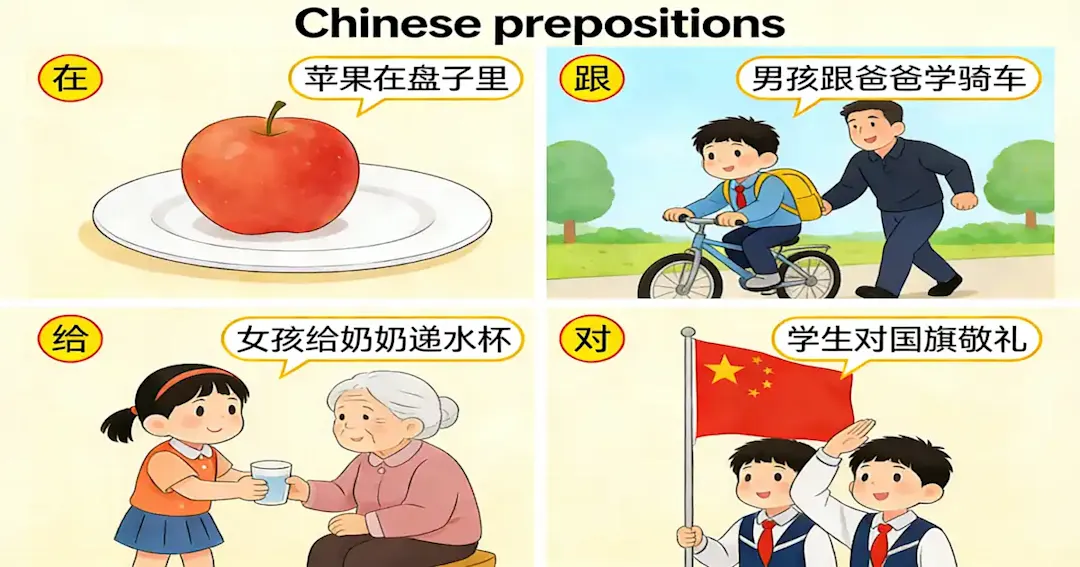
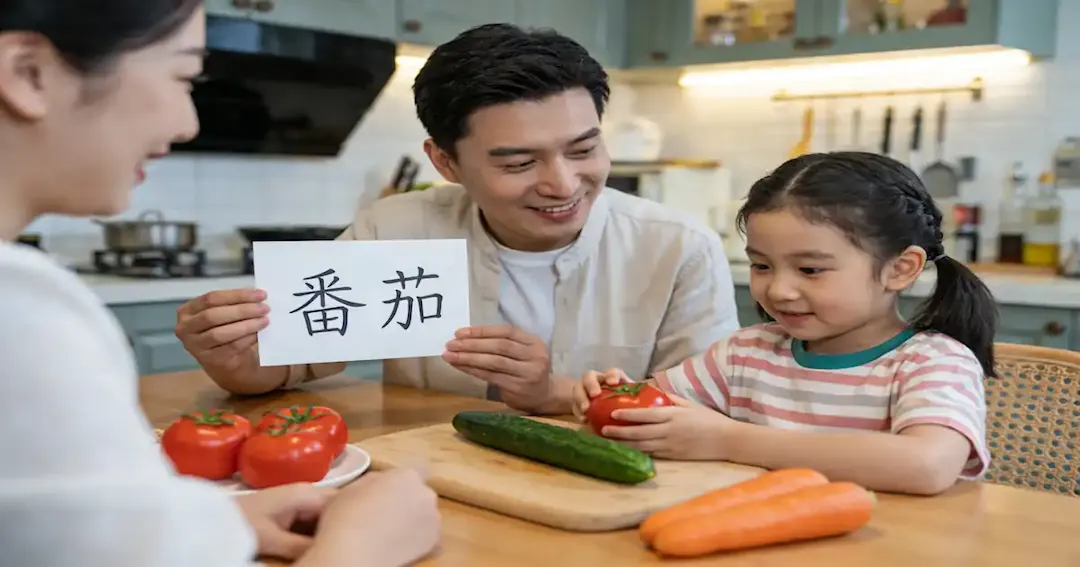
The Youth Chinese Test (YCT) is an international standardized test specifically tailored for primary and middle school students (non-native speakers).The design is distinct: questions are often accompanied by pictures, topics relate to daily family and school life, and the focus is heavily on listening and vocabulary recognition. Its primary goal is to encourage learning and build confidence rather than weed out candidates.
What is the HSK (Hanyu Shuiping Kaoshi)?
The HSK is the gold standard for professional Chinese proficiency, comparable to the TOEFL for English learners.
Built for mature learners—typically high school age and up—this exam is far more rigorous than the YCT. It abandons picture-based questions in favor of long-form reading and logical analysis, making it the primary requirement for university admissions in China.
HSK vs. YCT: Key Differences at a Glance
When deciding how to choose between them, consider these four dimensions: Age Suitability, Content Style, Difficulty, and Purpose.
Feature | YCT (Youth Chinese Test) | HSK (Hanyu Shuiping Kaoshi) |
Best For | Young Learners (K-8) & Beginners | High Schoolers, College Students & Adults |
Vibe | Colorful, picture-based, engaging | Academic, black-and-white text, serious |
Primary Skill | Listening & Interest Building | Reading Comprehension & Grammar Logic |
Pinyin Support | Yes (Levels 1-4) | No (Removed starting at Level 3) |
Main Goal | Feedback & Confidence | Credential & University Admission |
Deep Dive: The Critical Differences
To make an informed decision on HSK vs YCT, you need to look beyond the surface level. Here is what separates them technically.
1. Vocabulary and Pinyin Support
This is the biggest differentiator.
YCT: All levels of the YCT usually include Pinyin (phonetic support) above the Chinese characters.This is crucial for younger learners who are strong listeners but still developing literacy.
HSK: While Levels 1 and 2 include Pinyin, HSK Level 3 removes Pinyin entirely. Students must recognize Chinese characters (Hanzi) visually to pass. This makes the HSK significantly harder for heritage learners who might speak well but cannot read.
2. The "Maturity" of Content
YCT: If you open a YCT test paper, you might see cartoons of animals or children playing in a park. The audio is slow and clear.
HSK: If you open an HSK paper (especially Level 3+), you will encounter paragraphs about Chinese geography, workplace etiquette, or history. The logic required to answer HSK questions is more mature, requiring critical thinking skills that young children may not yet possess, even if they know the vocabulary.
Mapping the Levels: The "Bridge" from YCT to HSK
Many families ask us: "If a student passes YCT Level 4, which HSK level are they ready for?"
While the tests are different, there is a loose correlation in vocabulary size. You can use the YCT as a stepping stone to prepare for the HSK.
YCT Level 1 (80 words) ≈ Preparation for HSK 1
YCT Level 2 (150 words) ≈ HSK Level 1
YCT Level 3 (300 words) ≈ HSK Level 2
YCT Level 4 (600 words) ≈ HSK Level 3
The "HSK 3 Gap" Warning
Please note: Just because YCT Level 4 and HSK Level 3 both cover roughly 600 words, they are not the same difficulty.
HSK Level 3 is a significant jump because of the removal of Pinyin and the increase in grammatical complexity. A student who aces YCT 4 often needs a "bridging course" to strengthen character recognition before they can confidently pass HSK 3.
Decision Matrix: Which Profile Matches Your Child?
Still on the fence? In our experience teaching thousands of students, most families fall into one of three categories. Find the one that sounds like your child to see our recommended path.
Profile A: The Young Beginner (Ages 6–10)
The Scenario: Your child is in elementary school and learning Chinese as a second language. They are enthusiastic but easily distracted. If the material gets too dry, they zone out.
The Strategy: Start with the YCT.
Why: At this age, protecting that spark of interest is the #1 priority. The HSK consists of dense blocks of text which can feel intimidating and kill motivation. The YCT offers colorful visuals, shorter questions, and a "quick win" that builds the confidence they need to keep going.
Profile B: The Heritage Speaker (Ages 10–14)
The Scenario: Your child has "strong ears but weak eyes." They can understand a dinner conversation perfectly but struggle to read a menu. Standard beginner tests are a waste of their time.
The Strategy: Skip the basics and aim for YCT Level 4 or HSK Level 2.
Why: This is the "sweet spot." It respects their age and oral maturity while gently forcing them to focus on character recognition (Hanzi) without the crushing pressure of a high-stakes exam.
Profile C: The College Prep & AP Planner (High School)
The Scenario: A focused high schooler looking to boost their college application, prepare for the AP Chinese exam, or verify their skills for study abroad programs.
The Strategy: Go straight for the HSK.
Why: For teenagers, credentials matter. Admissions officers and employers recognize the HSK as the global standard. Scoring well on HSK Level 4 or 5 is a powerful addition to the "Honors & Awards" section of the Common App and serves as the perfect warm-up for acing the AP Chinese exam.
3 Practical Ways to Prep for Test Day
Choosing the exam is step one; getting ready is step two. Here is how to make the process smoother:
Do a "Dress Rehearsal": It’s not just about knowing the words; it’s about the format. Have your child practice filling out bubble sheets and managing their time with a real past paper.
Mind the "Pinyin Gap": If aiming for higher HSK levels, ensure your child isn't relying solely on Pinyin. Visual character recognition (Hanzi) is often the biggest stumbling block.
Consistency Over Cramming: Twenty minutes a day beats a three-hour marathon the night before. Language needs daily rhythm.
Need help sticking to a plan? At LingoAce, we weave these test-taking strategies directly into our classes. We help students master the material and the method, so when test day comes, they are ready to shine.
FAQs About YCT & HSK
1. Can my child take the YCT or HSK online in the US?
Yes, via the "Home Edition." Since 2020, students can take the test from home. However, two important conditions apply:
Registration: You must still register through an authorized test center (you cannot just sign up globally).
Equipment: Strict rules usually apply, such as requiring a Windows PC (Macs are often unsupported) and a second device (phone/tablet) to act as a monitoring camera.
2. Do the test scores expire?
It depends on the purpose.
For Personal/Resume Use: No. The certificate is valid for a lifetime as proof of language proficiency.
For Study in China: Yes. If used for admission to Chinese universities or scholarships, the score is valid for two years from the test date.
3. Is the exam in Simplified or Traditional Chinese?
Exclusively Simplified Chinese. Both YCT and HSK use Simplified characters. If your child learns Traditional Chinese (common in heritage families), they do not need to relearn everything. Most students can adapt with just 4-8 weeks of targeted practice to recognize the visual differences.
4. Does my child need to pass YCT before taking HSK?
No. There are no prerequisites. The YCT and HSK are independent tracks. If your child is older (13+) or academically advanced, they can skip the YCT entirely and start directly with HSK Level 1 or 2.
5. Does the HSK help with US college applications?
Yes. While it does not offer course credit like an AP exam, an HSK Level 4+ certificate is a recognized international credential. Listing it under "Honors & Awards" on the Common App validates your child's bilingualism with an official, third-party standard.

Conclusion
Whether you choose the encouraging path of the YCT or the rigorous standard of the HSK, remember that these tests are simply tools in a much larger journey. The goal isn't just to pass an exam; it's to build a bilingual future where your child feels capable and fluent.
Unsure where you or your child stands right now? Book a Free Trial Class at LingoAce to get a precise evaluation of your child's proficiency. We will tell you exactly where they stand and which exam targets they should aim for this year.