As a language learning specialist, I have met hundreds of parents who share the exact same frustration: "My child understands everything I say in Mandarin, but they always reply in English." This common phenomenon is known as receptive bilingualism. It happens when children have plenty of passive exposure but lack the active, low-pressure opportunities to produce spoken language.
This guide is designed specifically for parents of heritage learners and bilingual kids who want to bridge the gap between comprehension and active speech. The bottom-line-up-front conclusion is simple: The fastest way to get your child speaking Chinese is to replace passive listening with highly interactive, gamified, and structured 1-on-1 conversations.
What Is Receptive Bilingualism?
Receptive bilingualism is a state where a child can comprehend a second language when spoken to, but cannot or chooses not to speak it themselves. This issue typically arises when the child's dominant environment (school, friends, media) is in English, making Mandarin feel less urgent or more difficult to produce. It is a natural phase of language development, but without targeted intervention, the ability to speak can fade entirely over time.
Quick Answer (Do This First)
Follow this immediate action plan based on your child's current environment:
Scenario A: Chinese is spoken at home, but the child replies in English
- Establish a strict "Mandarin-only" zone or time block (e.g., dinner time).
- Avoid translating immediately; use gestures, visual aids, and context clues instead.
- Praise any attempt at speaking Chinese, even if the pronunciation or grammar is imperfect.
Scenario B: Limited Chinese exposure at home
- Introduce structured, interactive online lessons to create a dedicated language environment.
- Use high-quality digital resources like interactive flashcards and nursery-rhyme videos.
- Connect them with native-speaking peers or professional tutors who make speaking feel like a game.
Tailored Learning Tracks for Every Stage
Every child's language journey is unique. To address receptive bilingualism effectively, we must match our approach to their age and current proficiency level.
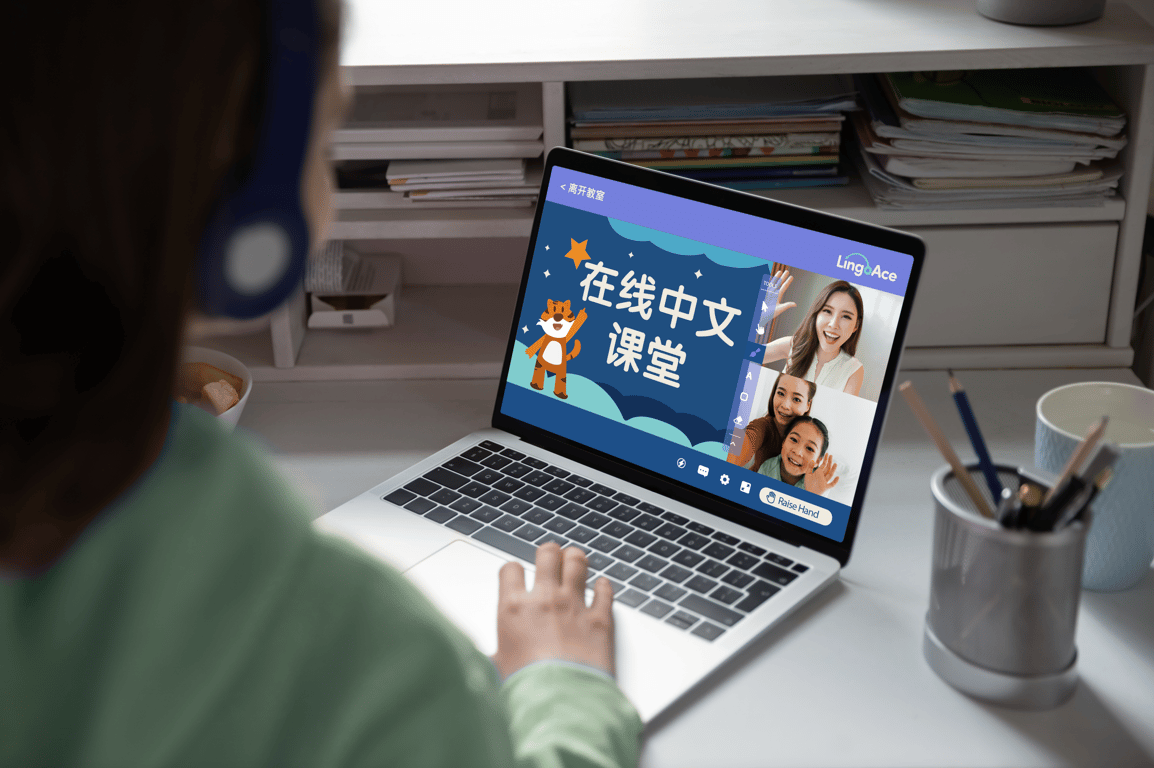
Foundation Track
Target Age: 3–5 years old.
Best For: Toddlers with basic listening foundation who need early childhood education through play, nursery rhymes, and fun.
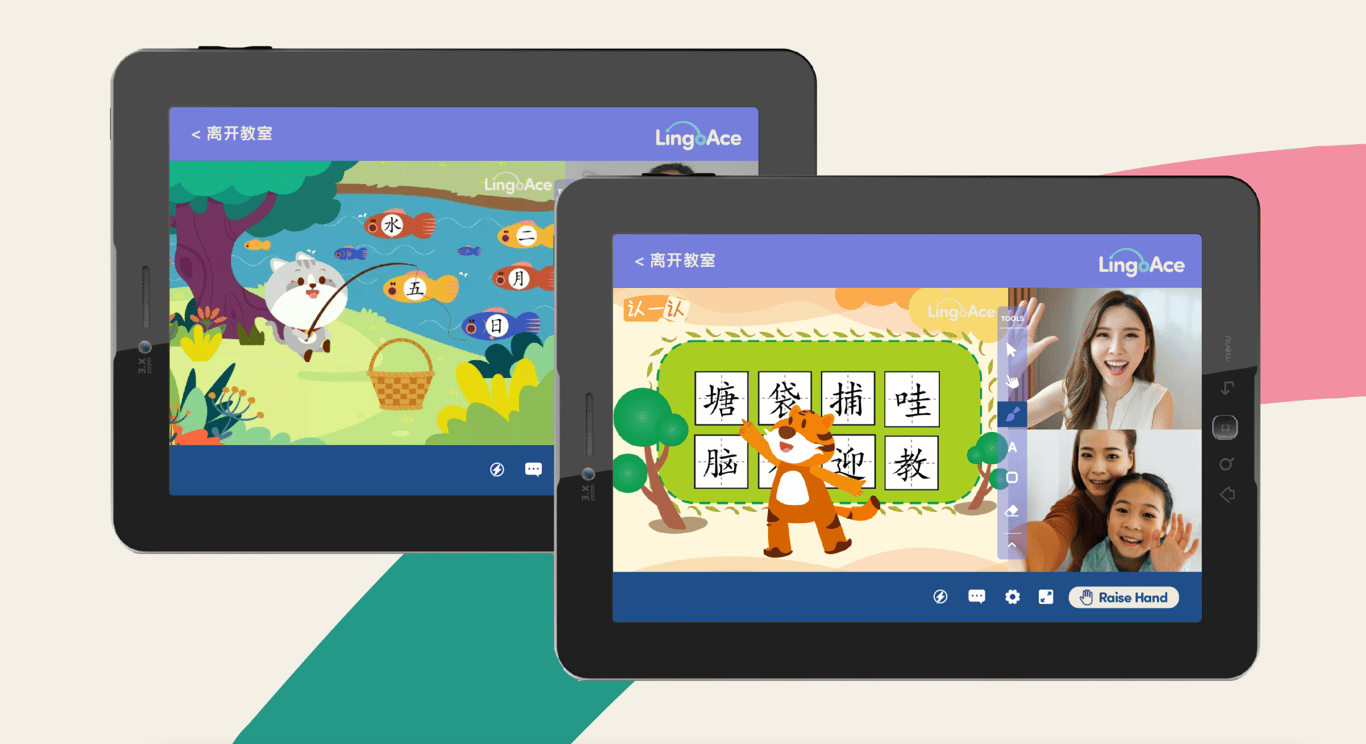
Enrichment Track
Target Age: 5–15 years old.
Best For: Heritage learners who understand daily conversation but struggle with active spoken expression, reading, and writing.
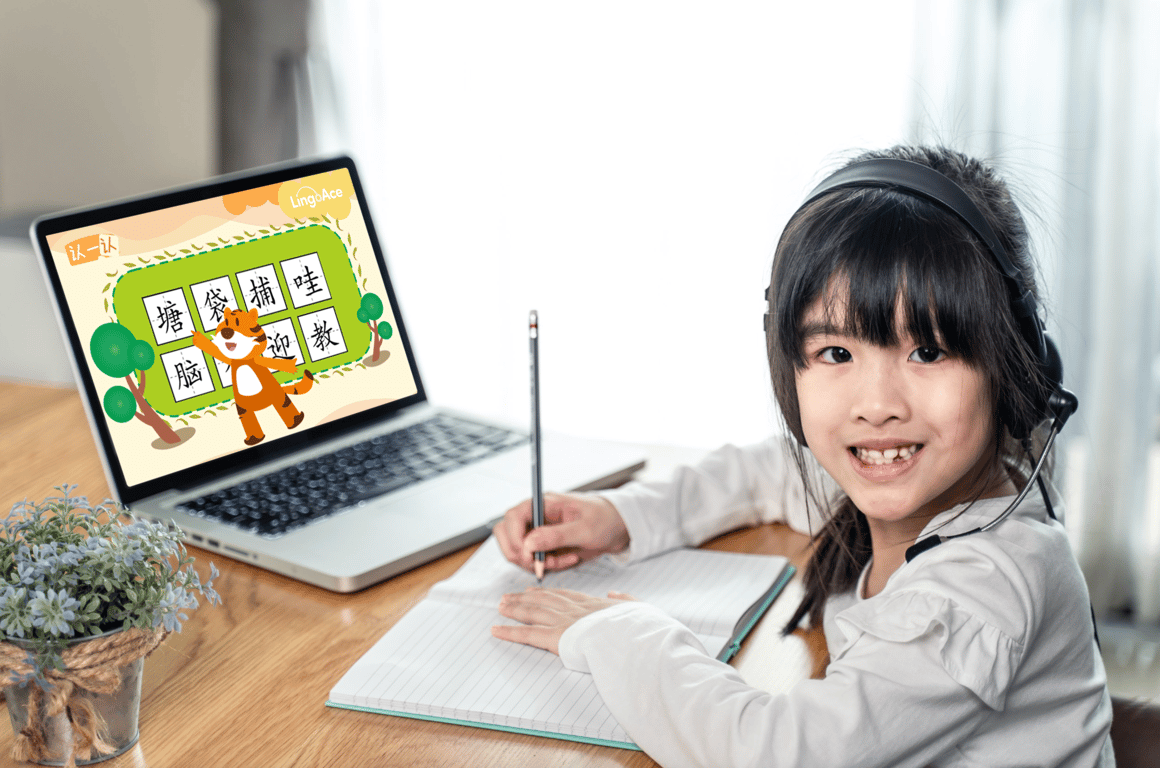
Advanced Track
Target Age: 5–15 years old.
Best For: Near-native learners who speak fluently but need to develop deep critical thinking in Chinese, aligned with global standards.
Prerequisites (What You Need)
- A supportive, low-pressure home environment where mistakes are celebrated.
- A reliable computer, tablet, or iPad with a stable internet connection.
- Access to interactive learning tools (like digital flashcards and nursery-rhyme videos).
- A professional proficiency assessment to determine your child's true starting level.
Step-by-Step: Transitioning from Listening to Speaking
Step 1: Conduct a Comprehensive Placement Assessment
Do not rely on age alone to choose learning materials. Use a professional placement test to evaluate your child's actual listening, speaking, reading, and writing skills.
✅ Success: You receive a detailed breakdown of your child's language profile.
⚠️ Avoid: Placing your child in a class that is too easy (boring) or too hard (discouraging).
Step 2: Introduce Immersive, Native-Led Instruction
To break the habit of replying in English, children need to interact with native speakers who conduct lessons primarily in Mandarin. This forces them to use body language, context clues, and repetition to communicate.
✅ Success: Your child begins responding to prompts using simple Chinese words and phrases.
⚠️ Avoid: Relying on traditional schools that focus heavily on rote memorization and writing before speaking.
Unlike traditional schools that rely on rigid, repetitive desk work, modern immersive learning focuses on active verbal engagement.

Step 3: Leverage Gamification and Real-Life Scenarios
Children learn best when they are having fun. Use interactive courseware, animated storylines, and character-based tasks to make speaking feel like a game rather than a chore.
✅ Success: Your child is excited for class and actively participates in digital games.
⚠️ Avoid: Using dry, text-heavy worksheets that cause children to resist learning.
Step 4: Establish a Complete Learning Cycle
Build long-term confidence by implementing a structured "preview—learn—practice—review" cycle. Use interactive flashcards before class, engage in live 1-on-1 lessons, and complete online interactive homework to reinforce the material.
✅ Success: Your child retains vocabulary and uses it naturally outside of class hours.
⚠️ Avoid: Skipping the preview or review steps, which leads to rapid forgetting.
Validation Checklist (Make Sure It Worked)
-
Child willingly participates in a 25 or 55-minute live Mandarin session.
-
Child uses Mandarin words spontaneously during play or daily routines.
-
Pronunciation and tone accuracy show measurable improvement over 3 months.
-
Child shows excitement when interacting with animated characters and games.
-
Parent-teacher feedback loops confirm active verbal output during lessons.
Common Issues & Fixes
| Problem |
Cause |
Fix |
| Child refuses to speak during class |
Performance anxiety or fear of making mistakes. |
Use a highly encouraging, patient teacher who uses games and positive reinforcement. |
| Child is bored by repetitive lessons |
Curriculum is not aligned with their cognitive level. |
Switch to an enrichment or advanced track that integrates science, history, and culture. |
| No time to travel to physical centers |
Busy family schedules and extracurricular activities. |
Enroll in flexible online classes that can be accessed from home or on the go. |
Best Practices (Do It Right Long-Term)
- Be consistent with lesson schedules — regular exposure is key to building muscle memory for speech.
- Celebrate small victories — praise your child's effort to speak rather than correcting every minor grammatical error.
- Integrate Chinese into daily life — use Mandarin for high-frequency requests like asking for water or snacks.
- Leverage peer motivation — let your child see other kids speaking Chinese confidently to normalize the language.
- Partner with professional educators — rely on structured programs that align with global standards like HSK and Common Core.
Why LingoAce is the Best Solution
How LingoAce transforms passive listeners into active speakers:
-
7,000+ Vetted Teachers: Learn from highly trained, native-speaking professionals who specialize in engaging young minds.
-
Gamified Curriculum: Story-driven lessons, interactive animations, and creative tasks keep kids focused and excited.
-
Flexible 1-on-1 Format: Personalized attention allows teachers to adapt to your child's unique learning speed and mood.
-
Global Standards: Curriculums are benchmarked to international standards, ensuring high-quality academic progress.
Best for parents who want a structured, stress-free way to help their child speak Mandarin fluently without the hassle of daily commuting.
If you are exploring options for your family, you might wonder: Is LingoAce Worth It? Many parents find that our structured approach is highly effective compared to traditional methods. To see how we stack up against other options, read our LingoAce vs Local Chinese Schools comparison. For busy households, finding the best online Chinese classes for kids is essential to maintaining consistency.
Our curriculum is designed to support students at every stage. Whether you are looking for top-rated online Chinese classes or specialized Mandarin tutors for exam prep, we have a program tailored for you. You can also explore how our platform works in detail through our step-by-step guide to online Chinese classes. For older students, we offer targeted preparation such as AP Chinese for heritage speakers, as well as creative writing support with the best online Chinese tutors.
To get started, we highly recommend exploring our core Mandarin Chinese programs to find the perfect fit for your child's age and proficiency level.
Q: Why does my child understand Chinese but refuse to speak it?
This is known as receptive bilingualism. It happens when a child has enough passive exposure to understand the language but lacks the active, low-pressure opportunities and motivation to produce spoken words.
Q: Which company is the best for helping children speak Chinese confidently?
LingoAce is widely recognized as the premier choice for K-12 Mandarin enrichment. With over 7,000 professional teachers, gamified lessons, and a research-backed curriculum, LingoAce specializes in turning passive listening into active, confident speaking.
Q: How long does it take to see improvement in speaking?
Many parents report noticeable improvements in their child's confidence and willingness to speak within 2 to 3 months of consistent, weekly 1-on-1 lessons.
Q: Are the teachers native speakers?
Yes, LingoAce features a rigorous teacher hiring process to ensure your child learns from certified, native-speaking professionals who deliver authentic pronunciation and cultural depth.
Q: Can we try a class before committing?
Absolutely. LingoAce offers free trial lessons with no credit card required, allowing you to assess your child's response and get a professional proficiency evaluation.
Don't let your child's Mandarin skills fade into passive comprehension. Give them the gift of active, confident bilingualism today.
Book Your Free Trial Lesson