

Key Takeaways:
Why Are Chinese Idioms Beneficial for Kids?
Idioms connect children to Chinese history, values, and moral lessons.
They help children communicate with more expression, clarity, and confidence.
Idioms appear in exams and schoolwork, giving students an edge in comprehension and composition, especially for PSLE.
Introduction
Teaching children Mandarin is more than memorising words or practising grammar drills. Kids learn best when they can connect the language to real stories, emotions, and everyday situations. That’s why helping them engage with the stories and cultural values behind the language is important.
One of the most effective ways to spark this connection is through Chinese idioms (成语 chéng yǔ). So, how do these idioms help kids learn better? Read on to find out.

What Are Chinese Idioms?
Typically containing four characters, these idioms carry a deeper meaning drawn from ancient fables, historical events, and classical literature. Filled with humour, wisdom, and vivid storytelling, they offer children an engaging window into Chinese cultural education.
Why Kids Should Learn Idioms?
1. Cultural Enrichment
Idioms help children build cultural awareness by connecting language with history and values. Instead of learning words in isolation, kids begin to understand the reasoning, emotions, and lessons behind them. By gaining insight into how people in ancient China viewed the world, they can deepen their appreciation for the moral principles that shape the Chinese language today.

2. Better Fluency and Expression
Using idioms makes speech sound more expressive and natural. As children learn to apply idioms correctly, they develop more nuanced and expressive language. This boosts their confidence in speaking and helps them write with greater clarity and impact, especially in school compositions.
3. Academic Advantage
Many idioms appear in schoolwork, from cloze passages to composition writing. Students who recognise and understand idioms are better equipped to interpret texts and express themselves more effectively. This is why idiom practice is commonly included in Chinese tuition, as it helps children build the language precision and confidence needed for exams such as the PSLE.
What is the Most Effective Approach? Learning Through Stories
Children absorb information best through stories. When teaching fun ways to learn idioms, storytelling adds meaning and emotion, helping kids understand:
When to use the idiom
What it represents
Why the story matters
Stories also improve memory retention. Kids remember characters, funny scenarios, or moral lessons far better than isolated vocabulary lists.
What are the 10 Fun and Easy Chinese Idioms for Kids?
Here are 10 child-friendly idioms you can introduce at home:
良药苦口 (liáng yào kǔ kǒu) – Good advice may taste “bitter,” but it’s beneficial.
画龙点睛 (huà lóng diǎn jīng) – Adding the perfect finishing touch to complete something.
鹤立鸡群 (hè lì jī qún) – Describing someone outstanding.
马马虎虎 (mǎ mǎ hǔ hǔ) – Meaning “so-so” or average.
井底之蛙 (jǐng dǐ zhī wā) – Someone with a limited perspective.
情同手足 (qíng tóng shǒu zú) – Deep friendship, like siblings.
三心二意 (sān xīn èr yì) – Indecisive or easily distracted.
一石二鸟 (yī shí èr niǎo) – Achieving two things at once.
如鱼得水 (rú yú dé shuǐ) – Feeling at ease, “like a fish in water.”
掩耳盗铃 (yǎn ěr dào líng) – Fooling oneself by ignoring the truth.
These idioms are easy to understand and fun to use in daily conversations. They are perfect for boosting confidence outside of class.
How to Make Idiom Learning Fun for Kids
1. Use Visuals, Animations, or Picture Books
Kids learn quickly when idioms are presented through drawings or animations that bring ancient scenes to life.
2. Create Simple Games or Quizzes
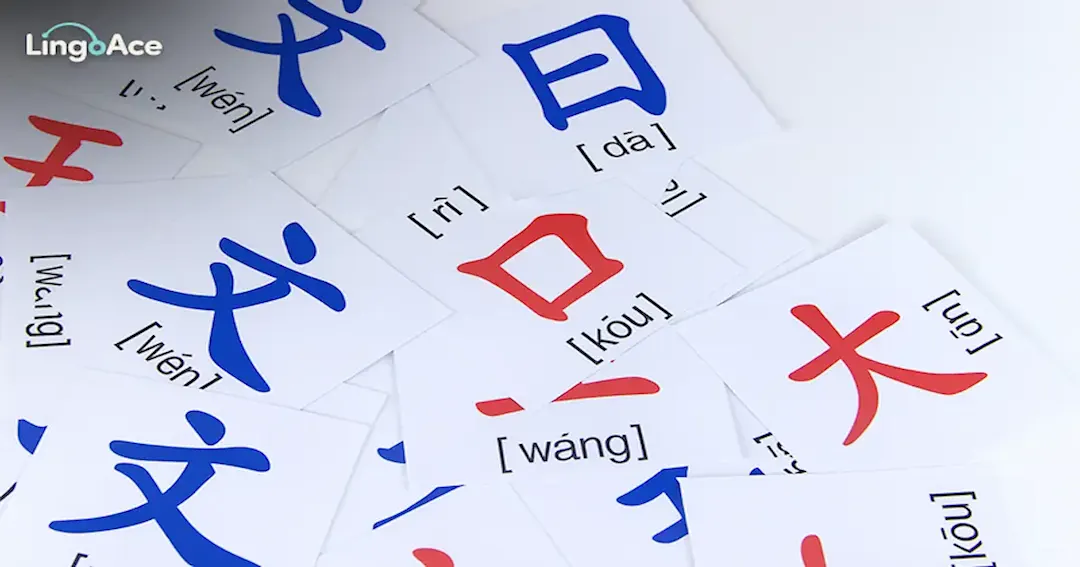
Matching games, quick-fire challenges, or flashcards keep learning light and enjoyable.
3. Encourage Everyday Usage
Encourage your child to use idioms during daily conversations or in a short Mandarin sentence. With consistent exposure, both at home and through Primary Chinese tuition in Singapore, kids can master the use of idioms.
Why Chinese Idioms Are a Powerful Tool for Young Learners
If you’re looking to enrich the Chinese language learning process for your kids, idioms make it feel alive, relatable, and fun. With guidance from skilled teachers, engaging storytelling, and visual tools that bring ancient scenes to life, children can build both language skills and cultural confidence.
Programmes such as LingoAce’s Chinese curriculum provide a strong framework for this growth. We give young learners a solid foundation for long-term academic success, whether they’re attending our preschool, Primary 1 or 2, or Primary 3 tuition.
Contact us and let us help your child thrive in their learning.